
TL;DR:
Marble surface enhancement strengthens, reflets, and resists wear better than regular cleaning.
Crystallization creates a durable, high-gloss layer through chemical and mechanical processes.
Proper choice of method depends on marble type, traffic level, and maintenance needs.
Marble floors in a Dubai villa are not just a design choice. They are a statement of quality, and they demand care that goes far beyond a weekly mop. Many homeowners assume that regular cleaning or a basic polish is enough to keep their marble looking flawless, but that thinking leads to dull, porous, and worn surfaces over time. True marble surface enhancement is a different category of service entirely. It strengthens the stone, restores its depth of shine, and builds resistance against the daily wear that Dubai’s lifestyle places on luxury interiors. This guide breaks down exactly how enhancement works and how to choose the right method for your property.
Table of Contents
-
Comparing marble enhancement methods: Crystallization vs. mechanical polishing
-
When and how to choose the right marble surface enhancement for your Dubai property
-
What most luxury property owners overlook about marble enhancement
Key Takeaways
| Point | Details |
|---|---|
| Science-backed protection | Marble surface enhancement chemically and mechanically boosts durability and shine far beyond regular cleaning. |
| Method matters | Crystallization and mechanical polishing offer different benefits; the right choice depends on your marble’s finish and home’s usage. |
| Professional expertise is essential | Proper assessment and skilled application prevent costly damage and keep luxury floors flawless longer. |
| Routine care extends results | Ongoing maintenance preserves enhancement effects and protects your investment in Dubai’s climate. |
What is marble surface enhancement?
Marble surface enhancement is not a cleaning service. It is a targeted treatment that physically and chemically improves the marble’s surface at a structural level. Where cleaning removes dirt and where sealing adds a topcoat, enhancement changes the surface itself, making it harder, more reflective, and more resistant to staining and abrasion.
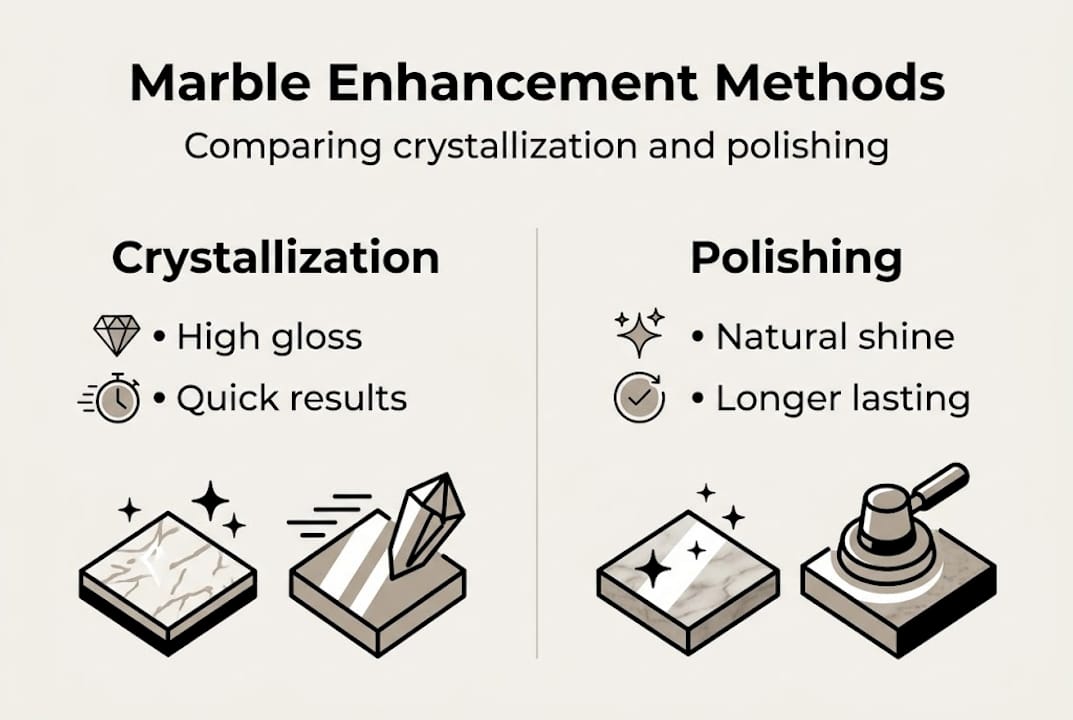
The two most common enhancement methods are crystallization and mechanical polishing. Crystallization uses a chemical reaction to form a protective layer within the marble. Mechanical polishing uses progressively finer diamond abrasives to grind and refine the surface until it achieves a natural, high-gloss finish. Both approaches deliver results that cleaning alone simply cannot.
As noted in marble crystallization research, marble surface enhancement primarily refers to crystallization, a process that chemically and mechanically treats the marble surface to create a harder, more durable, and highly reflective finish. That distinction matters because it tells you this is a structural improvement, not a cosmetic one.
For luxury villa and apartment owners in Dubai, the real-world benefits are significant. Enhanced marble resists the scuffs from furniture, the foot traffic from social gatherings, and the gritty desert dust that gets tracked indoors daily. You also get a surface that is far easier to maintain between professional visits. For more on keeping your floors in peak condition, the marble floor polishing guide covers routine care in detail.
Enhancement creates a chemical crystal layer that bonds with the marble’s calcium carbonate, delivering durability that no surface coating can replicate.
Key benefits of marble surface enhancement:
-
Increased surface hardness for better scratch resistance
-
Higher gloss and reflectivity
-
Reduced porosity and stain penetration
-
Extended time between professional maintenance visits
-
Improved resilience under high-traffic Dubai conditions
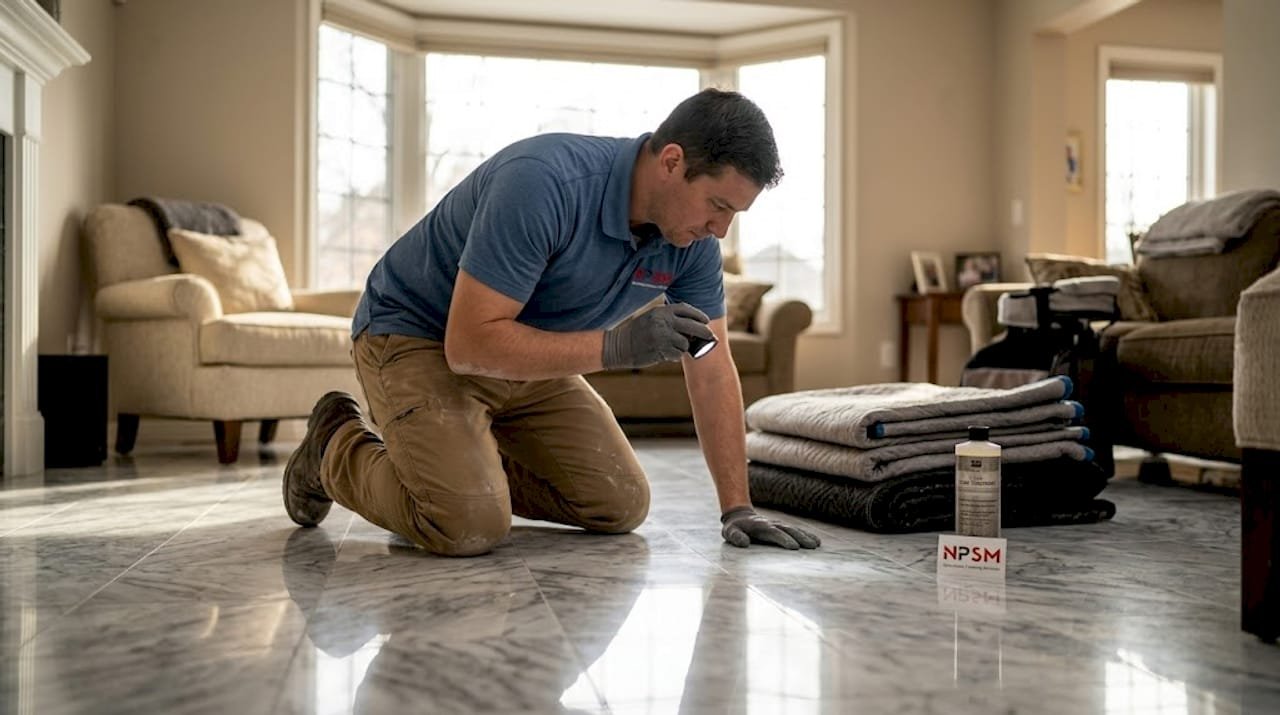
Pro Tip: Before any enhancement treatment, confirm with your technician which marble variety you have. Softer stones like Calacatta or Carrara react differently than harder varieties, and using the wrong method can cause irreversible surface damage.
The science behind marble crystallization
Crystallization sounds technical, but the process is straightforward once you understand what is happening at the surface level. A trained technician applies a specialized chemical solution to the marble and then works it into the surface using a weighted rotary machine fitted with steel wool pads. The friction generates heat, which drives the chemical reaction deeper into the stone.
According to research on fluorosilicate reactions, the mechanics involve applying a specialized chemical solution, often fluorosilicate compounds, that reacts with the calcium carbonate in marble, forming a crystalline layer that fills pores, increases surface hardness, and enhances shine. That crystalline layer is what separates crystallization from a simple buff and wax.
Here is how the process unfolds step by step:
-
The marble surface is cleaned and dried completely
-
A fluorosilicate chemical solution is applied in small sections
-
A rotary machine with steel wool pads buffs the solution into the marble
-
Heat from friction triggers the chemical reaction with calcium carbonate
-
The crystalline layer forms, filling micro-pores and hardening the surface
-
Excess residue is removed and the surface is buffed to a high gloss
For a direct comparison of how this stacks up against other methods, the breakdown of polishing vs crystallization methods is worth reviewing before you book a service.
| Feature | Crystallization | Mechanical polishing |
|---|---|---|
| Shine level | Very high gloss | Natural, deep gloss |
| Durability | 12 to 18 months | 3 to 5 years |
| Chemical use | Yes | No |
| Labor intensity | Moderate | High |
| Cost per treatment | Lower | Higher upfront |
| Best for | High-traffic areas | Private, low-traffic spaces |
One important caution: crystallization is not suitable for honed, brushed, or textured marble finishes. Applying it to those surfaces can permanently alter the finish in ways that are difficult or impossible to reverse. Always work with a professional who assesses your specific marble before starting.
Comparing marble enhancement methods: Crystallization vs. mechanical polishing
Choosing between crystallization and mechanical diamond polishing comes down to three factors: your marble type, your traffic levels, and how often you want to schedule professional visits.
Crystallization delivers a fast, dramatic result. A technician can treat a large villa entryway in a single session and leave it gleaming. The chemical layer adds hardness and gloss quickly, which makes it popular for high-traffic reception areas, lobbies, and main living spaces. The trade-off is that the layer is not permanent. In a busy Dubai villa, you are typically looking at reapplication every 12 to 18 months.
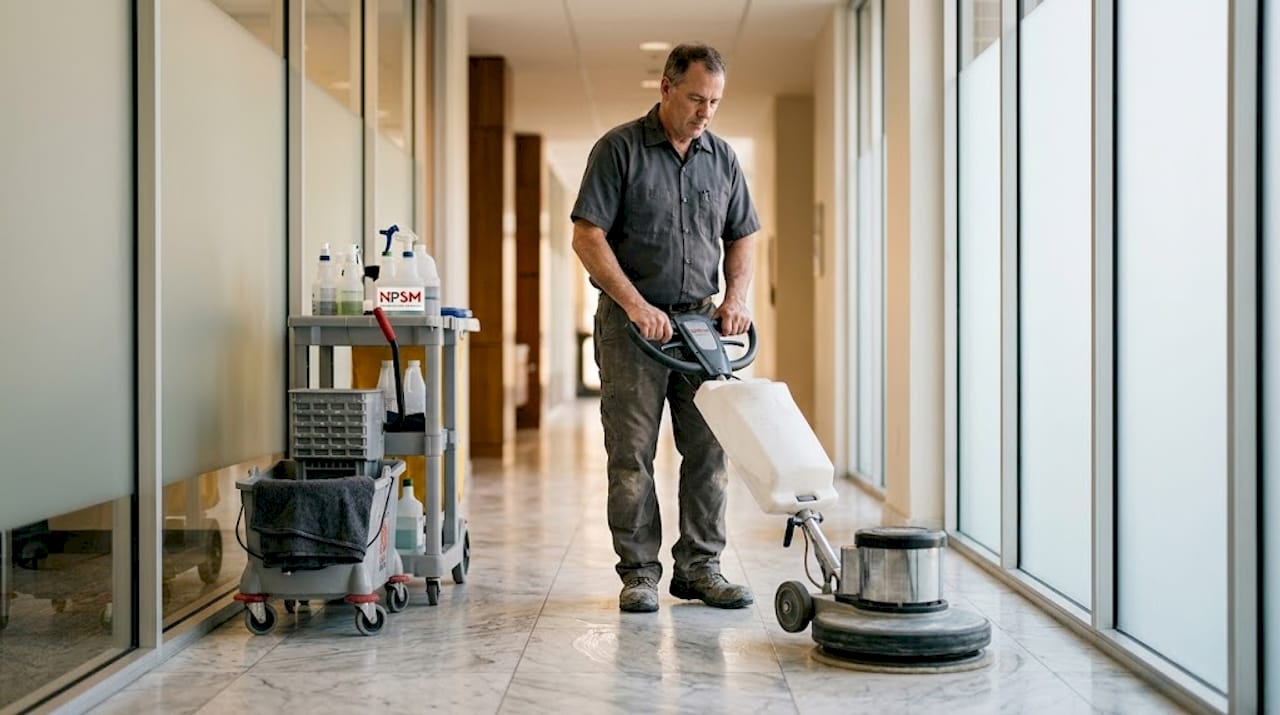
Mechanical diamond polishing works differently. Technicians use a sequence of diamond-impregnated pads, starting coarse and finishing ultra-fine, to physically refine the marble surface. As marble surface finish experts note, mechanical diamond polishing is preferred for a natural, long-lasting shine without chemicals, offering more durable and authentic results, while crystallization suits quick high-gloss needs in high-traffic settings but may need reapplication as it builds a chemical layer.
Crystallization strengths:
-
Fast turnaround, often same-day
-
Excellent for high-gloss, mirror-like results
-
Good for high-traffic entry points and living areas
-
Lower cost per session
Mechanical diamond polishing strengths:
-
No chemicals involved
-
Longer-lasting results, up to several years
-
Preserves the natural character of the stone
-
Better for rare or sensitive marble varieties
For marble care tips that help you protect your investment between professional treatments, routine maintenance makes a significant difference regardless of which method you choose. If you have marble surfaces beyond floors, such as statement tables or feature pieces, the guide on fixing marble tables covers restoration approaches for those surfaces.
Pro Tip: Always ask your technician to test the chosen method on a small, inconspicuous area first. Carrara marble, for example, is significantly softer than Emperador Dark and responds very differently to both chemical and mechanical treatments.
When and how to choose the right marble surface enhancement for your Dubai property
Selecting the right enhancement service starts with an honest assessment of your property’s specific conditions. Dubai’s environment adds variables that most generic marble guides ignore: fine desert dust that acts as an abrasive, high humidity in coastal areas that can affect chemical treatments, and the social calendar of luxury villa living that puts floors through serious stress.
Here is a practical process for making the right call:
-
Identify your marble’s current finish (polished, honed, or brushed)
-
Assess traffic levels in each area of your home
-
Note the marble variety if known (ask your interior designer or contractor)
-
Schedule a professional assessment before committing to any method
-
Discuss your maintenance schedule and how often you can commit to professional upkeep
As guidance from historic marble preservation confirms, crystallization suits polished marble only, and improper application risks damage. It is not appropriate for honed or textured finishes, and it requires professionals to control heat and pressure precisely, with results lasting 12 to 18 months in high-traffic Dubai villas before reapplication.
For marble variety considerations, research on natural stone finishes highlights that honed finishes actually hide wear better in busy homes, even though they are less reflective. That is a counterintuitive point that many homeowners miss when chasing maximum gloss.
Never attempt marble enhancement as a DIY project. The heat, pressure, and chemical concentrations involved require professional equipment and training. A mistake on luxury marble is expensive and sometimes irreversible.
Pre-enhancement checklist for Dubai villa owners:
-
Confirm marble finish type before booking
-
Avoid acidic cleaners in the weeks before treatment
-
Clear furniture and rugs from treatment areas
-
Ask about post-treatment drying and curing time
-
Plan for routine pH-neutral cleaning after enhancement
For surfaces like countertops that see daily contact with food and liquids, the countertop maintenance tips page covers the specific care those surfaces need. And if you are concerned about how Dubai’s coastal humidity affects your marble long term, the resource on humidity protection solutions addresses that directly.
What most luxury property owners overlook about marble enhancement
Here is the honest truth that most enhancement guides skip: chasing maximum gloss is often the wrong goal. We see it regularly. A homeowner invests in the highest-gloss crystallization treatment available, and within six months the surface looks patchy because the maintenance routine does not match the finish.
Dubai’s environment is specific. Fine airborne dust acts like sandpaper underfoot. Humidity near the coast affects how chemical treatments cure. And the lifestyle in a luxury villa, with frequent gatherings and staff traffic, creates wear patterns that no single treatment can fully address without a matching maintenance plan.
The most resilient marble floors we encounter belong to homeowners who chose the right method for their marble type and usage, not the most impressive-sounding one. Sometimes that means a honed finish with periodic care tips for marble outperforms a high-gloss treatment that demands constant upkeep. A customized maintenance schedule, built around how you actually live in your home, delivers more lasting value than any one-time enhancement ever will.
Enhance your marble’s beauty with Dubai’s top specialists
Your marble deserves more than a generic treatment. At floorpolishing.ae, we assess each surface individually, matching the right enhancement method to your specific marble type, finish, and lifestyle. Our team understands Dubai’s climate, the demands of luxury interiors, and the difference between a result that looks good for a week and one that holds up for years. Explore your marble enhancement options to understand what is available, browse our Dubai marble restoration services for a full picture of what we offer, or get in touch for a free consultation. For stone beyond marble, our natural stone polishing Dubai service covers granite, travertine, and more.
Frequently asked questions
What exactly does marble surface enhancement involve?
Marble surface enhancement uses chemical and mechanical treatments like crystallization to harden, protect, and add lasting shine to marble, going well beyond what cleaning or sealing can achieve.
How long does marble crystallization last in Dubai properties?
Crystallization lasts 12 to 18 months in high-traffic Dubai villas before the surface needs reapplication to maintain its hardness and gloss.
Can every marble surface be enhanced with crystallization?
No. Crystallization suits polished marble only, and applying it to honed, textured, or certain historic marble types risks permanent surface damage.
What is the main advantage of mechanical diamond polishing over crystallization?
Mechanical diamond polishing delivers a natural, authentic shine that lasts significantly longer without any chemicals, making it the better choice for rare or sensitive marble varieties.
Is professional marble enhancement worth the investment for luxury homes?
Absolutely. Professional enhancement prevents wear, staining, and luster loss in high-value interiors, protecting the long-term value and appearance of your property far more effectively than routine cleaning alone.