
Marble tables in Dubai villas face unique challenges that can quickly diminish their elegance. Sand infiltration, humidity fluctuations, and everyday spills create scratches, etching, and dullness that detract from your luxury interiors. Many villa owners struggle to restore their marble surfaces without professional help, unsure of the right techniques or products for Dubai’s demanding climate. This comprehensive guide walks you through expert fixing and maintenance strategies specifically adapted for Dubai conditions, empowering you to restore your marble table’s original beauty and protect it long term. You’ll learn proven restoration steps, climate-specific care routines, and troubleshooting tips that preserve your investment.
Table of Contents
-
Understanding damage and preparation for fixing your marble table
-
Maintaining your marble table to prolong its elegance and durability
-
Troubleshooting common mistakes and ensuring a successful marble table fix
-
Professional marble table restoration and maintenance services in Dubai
Key Takeaways
| Point | Details |
|---|---|
| Dubai climate effects | Sand infiltration, humidity changes, and spills can cause scratches, dullness, and etched surfaces on marble in Dubai villas. |
| Preventive measures | Install entrance mats at all villa entrances to trap sand and maintain indoor humidity between 40 and 55 percent to slow damage. |
| Baseline cleaning | Begin with a pH neutral stone cleaner and soft microfiber cloths, rinse thoroughly, and dry before any restoration. |
| Grit progression | Use diamond grit pads from 50 to 3000 in progressively finer steps, keeping the pad wet and cleaning between transitions. |
| Periodic maintenance | Schedule professional marble maintenance every 12 to 18 months to preserve surface quality and prevent long term damage. |
Understanding damage and preparation for fixing your marble table
Dubai’s environment creates specific challenges for marble surfaces that differ from other regions. Sand acts as an abrasive, gradually wearing down the polished finish as particles settle on your table and get dragged across during daily use. The fluctuating humidity causes micro-cracks to develop within the stone structure, weakening its integrity over time. Spills from acidic beverages like coffee, wine, or citrus juices etch the surface, creating dull spots that stand out against the polished areas.
Before starting any restoration work, gather the essential tools and materials. You’ll need pH-neutral stone cleaner, soft microfiber cloths, diamond grit pads in progressive grits from 50 to 3000, a variable-speed polisher or hand-held buffer, crystallization powder or compound, and a quality marble sealant. Protective equipment includes safety goggles, dust mask, and rubber gloves. Clear the table completely and work in a well-ventilated space with stable temperature between 60 and 75 degrees Fahrenheit.
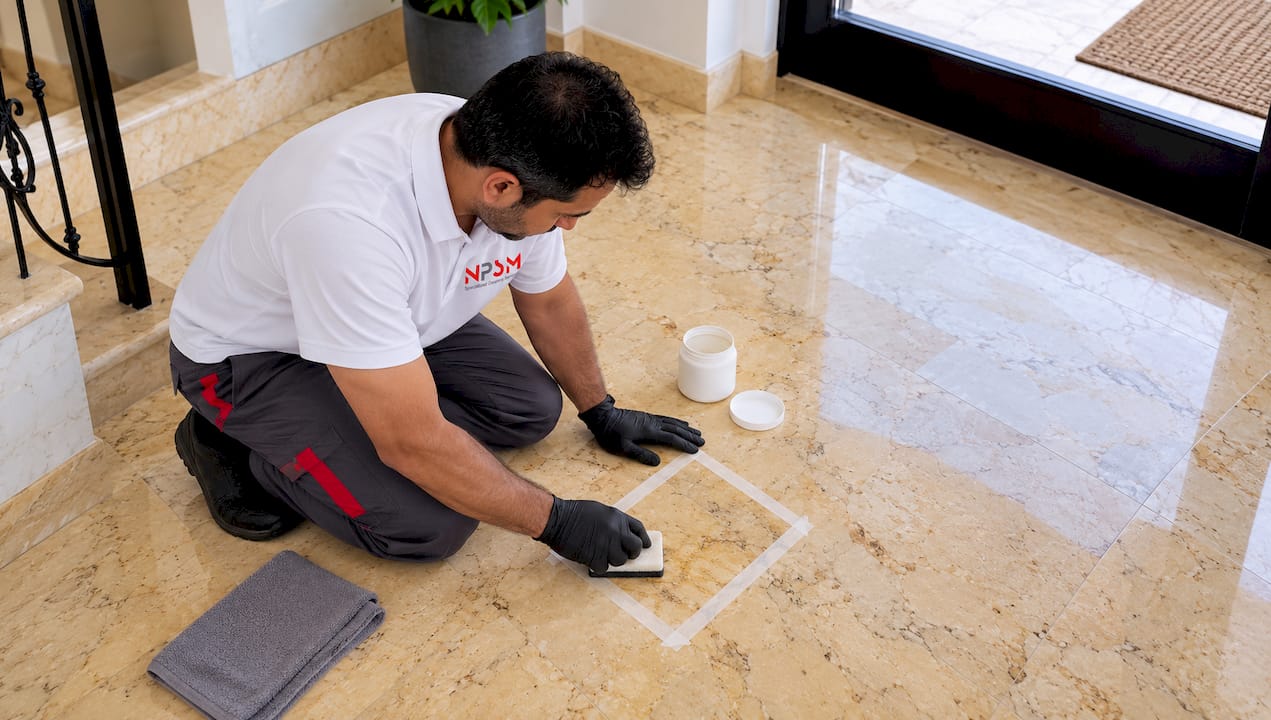
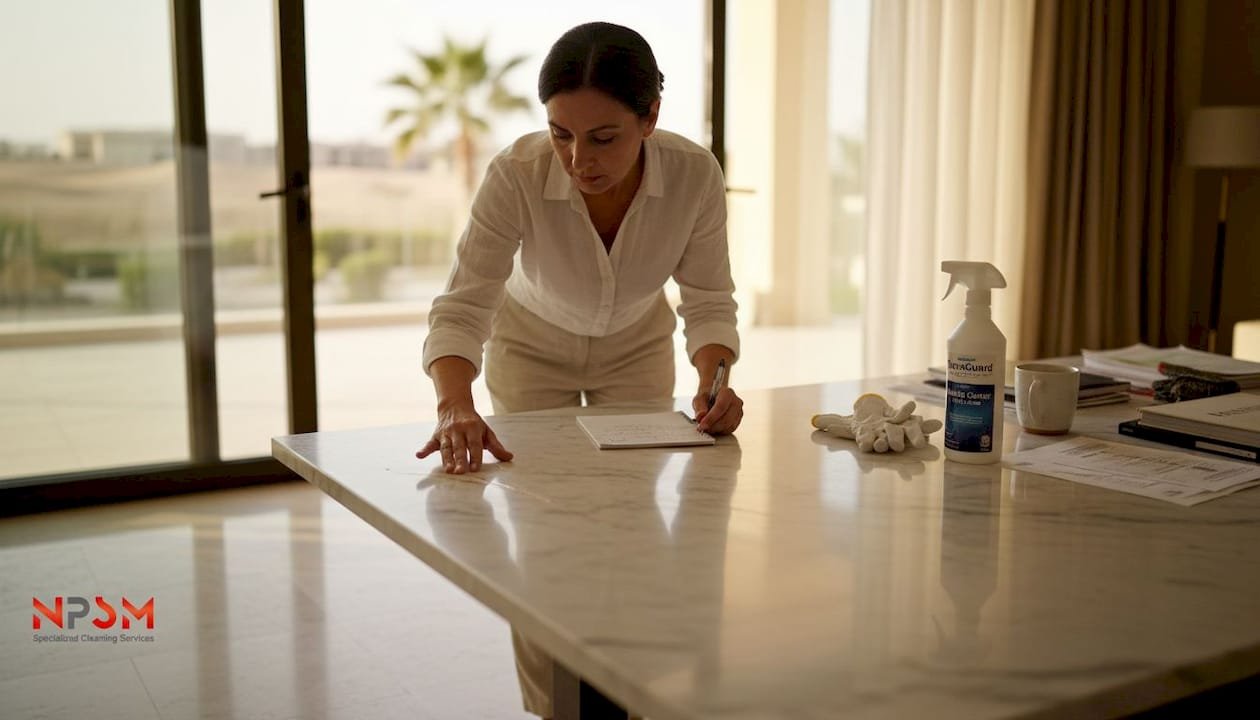
Inspect your marble table thoroughly under bright lighting to identify all damaged areas. Mark scratches, etches, and stains with painter’s tape so you can track your progress during restoration. Check for any loose pieces or deep cracks that might require professional repair before you proceed with surface restoration. Understanding the full extent of damage helps you set realistic expectations and plan your approach effectively.
Pro Tip: Install entrance mats at all villa entry points to capture sand and dust before they reach your marble surfaces. Maintain consistent indoor humidity between 40 and 55 percent using dehumidifiers or humidifiers as needed to prevent climate-related damage. These preventive measures significantly reduce the frequency of intensive restoration work required.
Step-by-step guide to fixing your marble table at home
Start with thorough cleaning using a pH-neutral cleaner specifically formulated for natural stone. Mix the cleaner according to manufacturer instructions and apply it across the entire table surface with a soft microfiber cloth. Work in circular motions to lift embedded dirt and grime without scratching. Rinse completely with clean water and dry with fresh microfiber cloths. This baseline cleaning removes surface contaminants that would interfere with subsequent restoration steps.
Grinding and honing come next, using diamond grit pads in progressive sequences. For tables with moderate Dubai sand exposure, follow this grit progression:
| Damage level | Starting grit | Intermediate grits | Final honing grit | |————–|—————|——————–|——————–|| | Light scratches and dullness | 200 | 400, 800 | 1500 | | Moderate etching and scratches | 100 | 200, 400, 800 | 1500 | | Heavy damage and deep scratches | 50 | 100, 200, 400, 800 | 1500 |
Attach the coarsest grit pad to your polisher and work in overlapping passes across the damaged areas. Keep the pad moving constantly and apply light, even pressure. Add water periodically to prevent heat buildup and control dust. Progress through each finer grit, cleaning the surface completely between changes. Each grit level removes the scratches from the previous coarser grit while creating finer scratches that the next pad will eliminate.
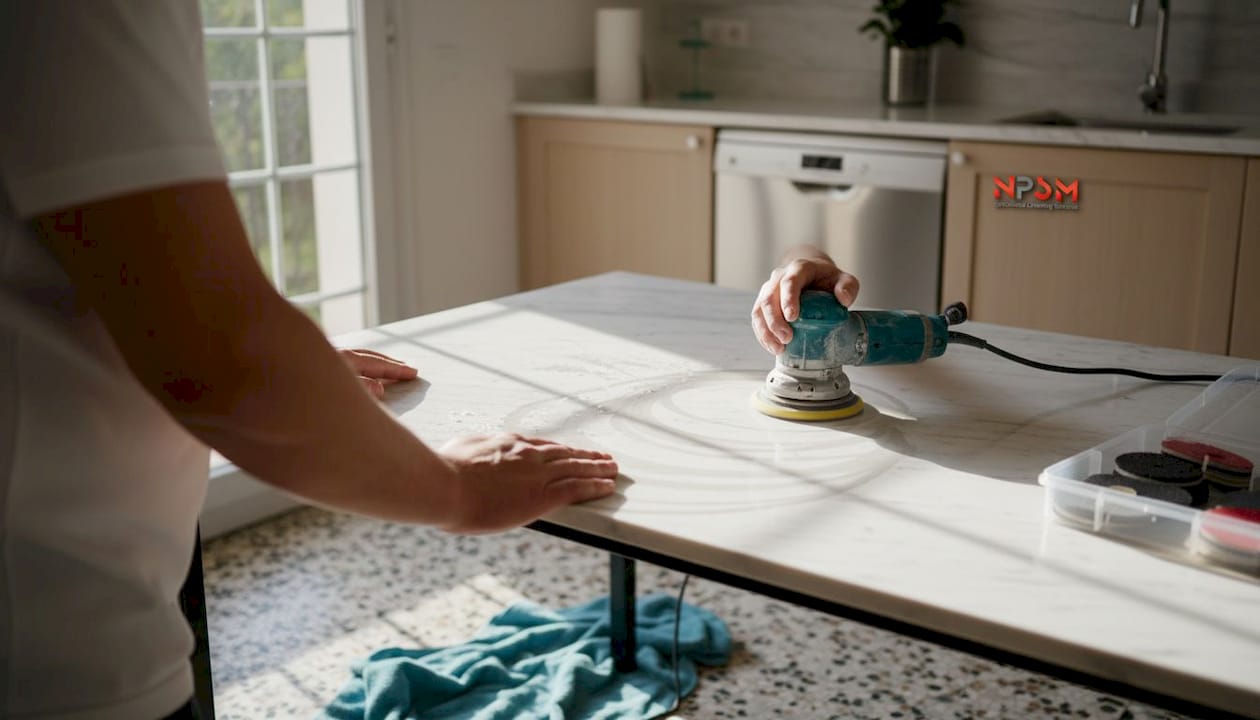
Crystallization polishing enhances the shine and creates a protective layer on your marble surface. Apply crystallization powder or liquid compound according to product instructions, typically working it into the stone with a white polishing pad or steel wool under your buffer. The chemical reaction between the compound and marble creates a hard, glossy finish that resists staining and wear. Work in small sections, maintaining consistent speed and pressure until you achieve the desired gloss level.
Sealing protects your newly restored surface from future damage. Choose a penetrating sealer designed for marble countertops and tables. Apply thin, even coats with a clean cloth or applicator pad, allowing each coat to penetrate for the recommended time before buffing away excess. Most sealers require two coats for optimal protection. The sealer fills the porous structure of marble, preventing liquids from penetrating and causing stains.
Pro Tip: Allow your marble table to cure completely for 24 to 48 hours after sealing before placing any items on it or using it for dining. This curing period ensures the sealer bonds properly with the stone, maximizing protection and longevity. Rushing this step compromises the effectiveness of your entire restoration effort.
Maintaining your marble table to prolong its elegance and durability
Daily protection starts with simple habits that prevent damage before it occurs. Use decorative trays, placemats, or coasters under all items placed on your marble table. These barriers catch spills and prevent direct contact between potentially damaging substances and your marble surface. Even water left standing can leave mineral deposits that dull the finish over time.
Immediate spill cleanup is critical because marble’s porous nature allows liquids to penetrate quickly. Keep microfiber cloths handy near your marble table and blot spills immediately rather than wiping, which can spread the liquid across a larger area. For sticky spills, use slightly dampened cloths with pH-neutral cleaner, then dry thoroughly. This quick response prevents staining and etching that would require intensive restoration to fix.
Climate control plays a vital role in marble care for Dubai villas. Maintain stable indoor humidity to prevent the expansion and contraction cycles that create micro-cracks in marble. Use dehumidifiers during humid months and humidifiers during drier periods to keep levels consistent. Position your marble table away from direct sunlight, which can cause uneven heating and contribute to thermal stress on the stone.
Routine cleaning maintains the restored finish without causing new damage. Weekly cleaning with pH-neutral stone cleaner and soft cloths removes dust and light soil. Avoid vinegar, lemon juice, ammonia, or any acidic or alkaline cleaners that etch marble surfaces. Even “natural” cleaning solutions can damage marble if they contain acids. Stick to products specifically labeled safe for natural stone.
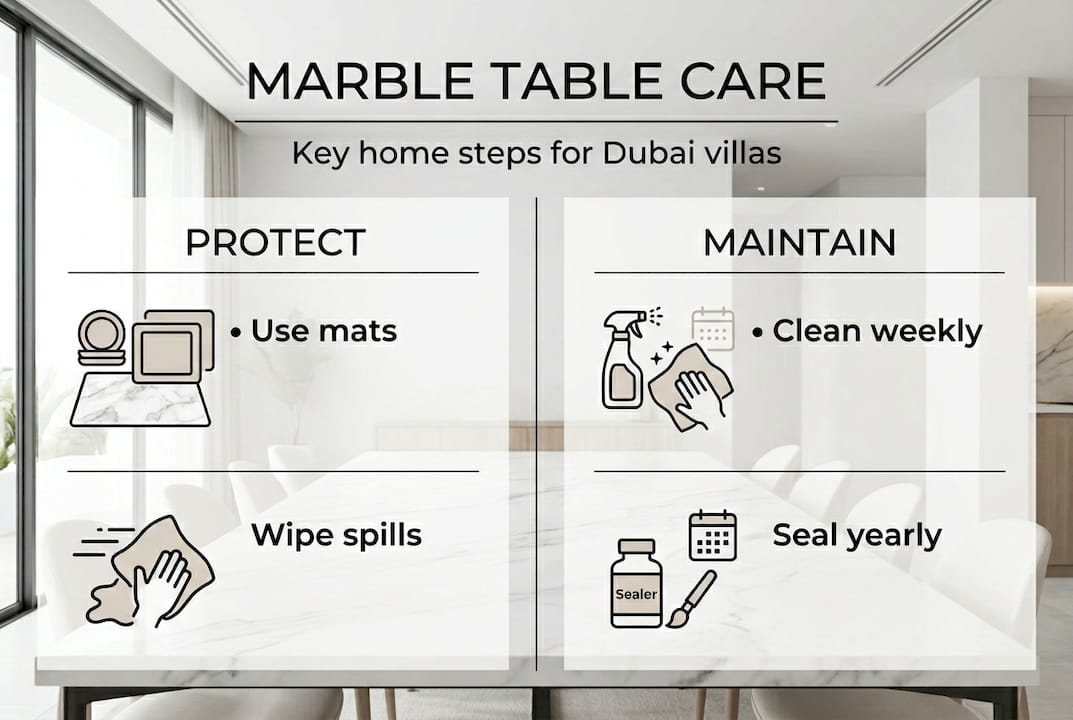
Professional maintenance every 12 to 18 months keeps your marble table in optimal condition. Expert technicians have commercial-grade equipment and specialized compounds that achieve results beyond DIY methods. They can address minor damage before it becomes severe and reapply protective treatments that home products cannot match. This regular professional care extends the time between major restorations.
Pro Tip: Never use abrasive scrubbing pads, steel wool (except during crystallization with proper compounds), or harsh chemicals on your marble table between professional services. These materials scratch the surface and strip protective sealers, undoing your restoration work. Gentle care preserves your investment far more effectively than aggressive cleaning.
Troubleshooting common mistakes and ensuring a successful marble table fix
Many villa owners make critical errors during marble restoration that worsen damage rather than fixing it. Skipping the initial deep cleaning leaves contaminants that get ground into the surface during polishing, creating new scratches. Using incorrect grit sequences, such as jumping from very coarse to very fine pads without intermediate steps, leaves visible scratch patterns that dull the final finish. Applying too much pressure with the polisher generates excessive heat that can crack or discolor the marble.
Product selection mistakes frequently compromise restoration results. Using acidic cleaners or compounds etches the marble further, creating new dull spots. Applying car wax or furniture polish instead of proper marble sealer provides no real protection and attracts dirt. Choosing the wrong type of sealer for your marble variety can create a hazy appearance or fail to penetrate properly. Always verify that products are specifically formulated for natural marble before application.
Expert warning: Restoration typically improves marble table condition by 85 to 90 percent but cannot always achieve perfect results. Deep stains that have penetrated beyond the surface layer, structural cracks, or severe chemical damage may require professional intervention or even stone replacement. Set realistic expectations based on your table’s initial condition.
When problems occur during or after restoration, quick troubleshooting prevents further damage. If you notice new scratches appearing, stop immediately and check your grit pad for embedded debris or verify you are using the correct grit sequence. Hazy or streaky finishes usually indicate sealer application issues; remove the sealer with appropriate stripper and reapply in thinner coats. Uneven gloss levels suggest inconsistent polishing pressure or time; return to the crystallization step and work more carefully over dull areas.
Common troubleshooting solutions include:
-
Rewetting the surface if dust buildup occurs during grinding to improve pad performance and reduce airborne particles
-
Switching to fresh pads when current ones become clogged or worn, as degraded pads create inconsistent results
-
Extending polishing time on stubborn areas rather than increasing pressure, which risks heat damage
-
Testing sealers on inconspicuous edges before full application to verify compatibility and appearance
-
Consulting professional restoration specialists when damage exceeds your skill level or comfort zone
Recognize when professional help becomes necessary. Deep cracks, chips, or breaks require specialized repair techniques and materials beyond typical DIY capabilities. Extensive etching across large areas may need commercial-grade grinding equipment for efficient correction. If your initial restoration attempt does not produce satisfactory results, continuing without expert guidance often makes the problem worse and more expensive to fix later.
Professional marble table restoration and maintenance services in Dubai
When DIY restoration feels overwhelming or your marble table requires expert-level repair, professional services deliver superior results tailored to Dubai’s unique environment. Specialized floor polishing and restoration providers bring commercial-grade equipment, advanced techniques, and years of experience working with marble in local climate conditions. They handle everything from minor touch-ups to complete refinishing, saving you time and ensuring long-lasting outcomes.
Professional services offer distinct advantages over home restoration efforts. Technicians use industrial polishers that achieve higher gloss levels and more uniform finishes than consumer-grade equipment. They have access to professional-grade sealers and compounds not available to homeowners. Their expertise in polishing versus grinding versus crystallization ensures the right technique for your specific damage type and marble variety.
Key benefits of professional marble restoration include:
-
Complete damage assessment identifying issues you might miss during self-inspection
-
Efficient repair of deep scratches, cracks, and structural damage requiring specialized materials
-
Consistent results across entire table surface without amateur variations in finish quality
-
Extended protection through commercial-grade sealers lasting longer than consumer products
-
Time savings allowing you to focus on other villa maintenance priorities
Pro Tip: Schedule professional maintenance visits during cooler months when humidity levels are more stable, making it easier for sealers and treatments to cure properly. Combine your marble table service with floor restoration for comprehensive marble surface care throughout your villa, often at a better overall rate than separate appointments.
Frequently asked questions
How often should I polish my marble table in Dubai homes?
Professional polishing every 12 to 18 months maintains optimal appearance and protection for marble tables in Dubai villas. This frequency accounts for the accelerated wear caused by sand abrasion and humidity fluctuations specific to the local climate. Between professional services, maintain the finish with proper daily care and immediate spill cleanup to extend the polished surface.
Can I fix deep scratches or cracks on my marble table myself?
Minor surface scratches respond well to home restoration using progressive diamond grit pads and proper technique. Deep scratches penetrating beyond the surface layer or structural cracks require professional repair to prevent worsening damage. Attempting DIY repair on severe damage often expands the affected area and increases eventual repair costs.
What cleaning products should I avoid on my marble table?
Avoid all acidic cleaners including vinegar, lemon juice, and citrus-based products that etch marble surfaces. Alkaline cleaners like ammonia and bleach also damage the stone. Abrasive powders or scrubbing pads scratch the polished finish. Use only pH-neutral cleaners specifically formulated for natural stone to protect your marble table safely.
How does Dubai’s environment affect marble tables compared to other regions?
Sand acts as an abrasive that accelerates surface wear as particles settle and get dragged across marble during use. Fluctuating humidity causes micro-cracks within the stone structure, weakening integrity over time. These Dubai-specific factors require tailored maintenance including entrance mats to capture sand, consistent indoor humidity control, and more frequent professional maintenance than marble in other climates.