
TL;DR:
- Floor sealing protects porous surfaces like marble, granite, and concrete from moisture, stains, and premature wear. Proper moisture testing and professional application are essential for long-lasting results, especially in Dubai’s challenging climate. Regular maintenance and understanding sealing types help preserve the floor’s appearance and durability over time.
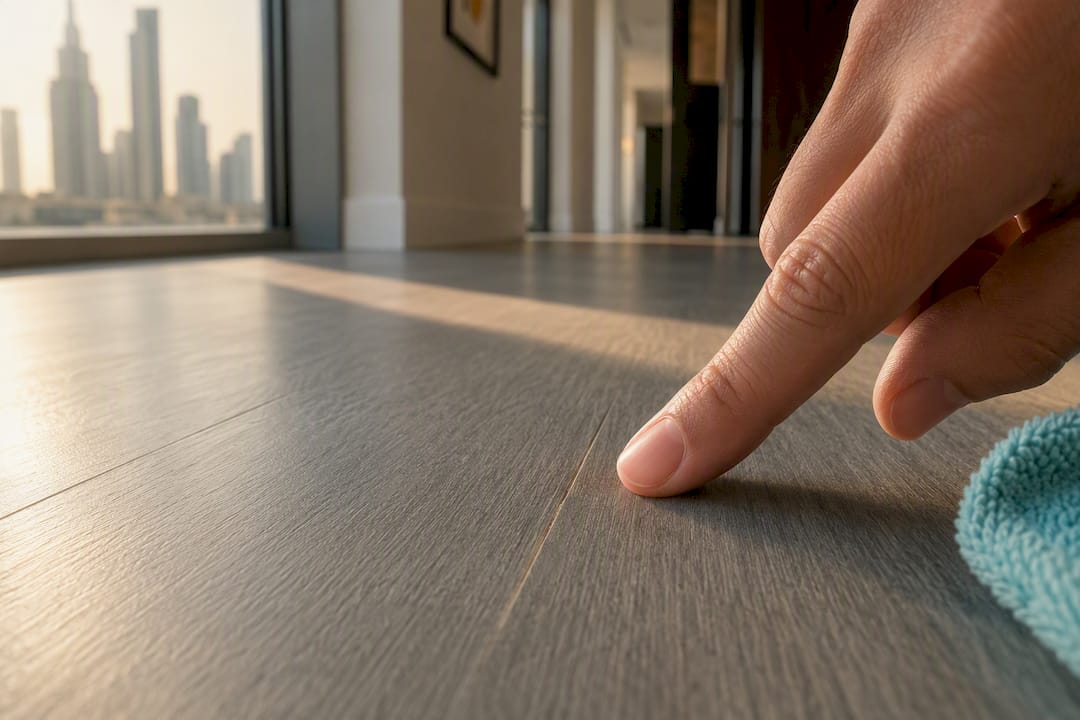
Your floors look solid and tough, but concrete, marble, granite, and even natural stone are porous at the microscopic level. They absorb moisture, trap stains, and degrade faster than most villa and apartment owners in Dubai expect. Understanding what is floor sealing is the first step to protecting one of the biggest investments in your property. This guide covers exactly how sealing works, which materials and methods suit Dubai’s environment, and what separates a long-lasting sealed floor from one that fails within months.
Table of Contents
- What is floor sealing and why does it matter?
- Penetrating vs film-forming sealers: choosing what’s right for your floor
- The critical role of moisture testing and management before sealing
- How to properly apply floor sealers for lasting protection
- Maintaining sealed floors: best practices for Dubai villas and apartments
- The overlooked truth about floor sealing success in Dubai homes
- Professional floor sealing services for Dubai villas and apartments
- Frequently asked questions
Key Takeaways
| Point | Details |
|---|---|
| Floor sealing protects floors | Sealing floors shields them from moisture, stains, and wear, extending their lifespan and preserving appearance. |
| Two main sealer types | Penetrating sealers absorb into pores, while film-forming sealers create a surface layer with different benefits and limitations. |
| Moisture testing is essential | Accurate moisture measurement prevents sealer failures like bubbling and peeling caused by trapped vapor. |
| Proper application matters | Applying sealers in multiple coats with correct curing is crucial for durable, lasting protection. |
| Maintenance extends life | Regular dry mopping and grit control prevent premature sealer wear, keeping floors beautiful longer. |
What is floor sealing and why does it matter?
Floor sealing is the process of applying a protective product to a flooring surface to block moisture penetration, resist chemical stains, and reduce wear. As seal bond explains, sealers fall into two broad categories: penetrating types that soak into the floor’s pores and form a barrier from within, and film-forming types that coat the surface and create a physical protective layer on top.
In Dubai’s climate, where humidity fluctuates and sandy grit gets tracked indoors constantly, unprotected floors are at a real disadvantage. Moisture seeps into pores, minerals crystallize beneath the surface, and stains from cooking oils or cleaning products bond into the material permanently. Sealing cuts off all three pathways.
Here’s what the floor sealing process delivers for your home:
- Moisture resistance: Reduces water and vapor absorption that causes cracking, efflorescence, and mold in damp areas like bathrooms and kitchens.
- Stain protection: Oils, wine, and chemical cleaners sit on the surface rather than soaking in, making cleanup fast.
- Easier maintenance: Sealed floors need less effort to keep clean because contaminants don’t bond to the material.
- Extended lifespan: Floors that aren’t sealed wear down at the surface grain level. Sealing slows that process significantly.
- Preserved aesthetics: Particularly important for marble and granite in Dubai villas, where appearance reflects the value of the property.
For a broader look at how polishing and sealing work together, the floor polishing guide for Dubai homes covers preparation steps that apply directly before any sealing job.
Penetrating vs film-forming sealers: choosing what’s right for your floor
The two sealer types are not interchangeable. Choosing the wrong one for your floor type or environment is one of the most common reasons sealing fails early.
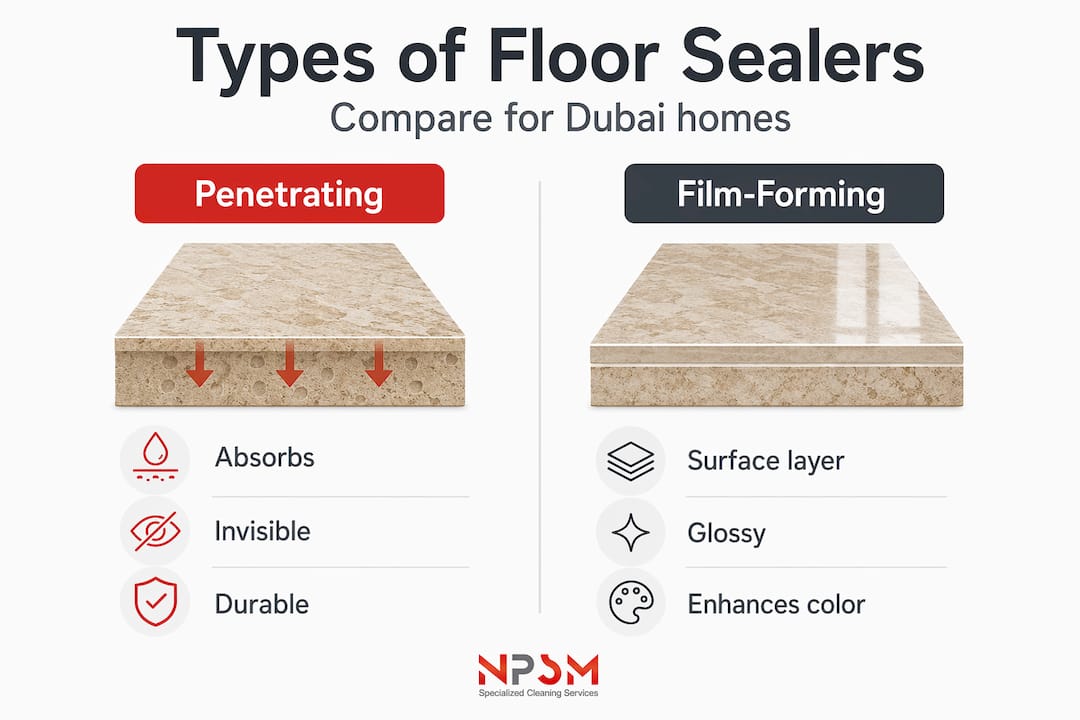
Penetrating sealers work below the surface. They soak into the pores of stone, concrete, or grout and chemically react to create a hydrophobic barrier within pores without altering texture or sheen. You walk on the sealed floor and it looks exactly the same. The protection is invisible but real.
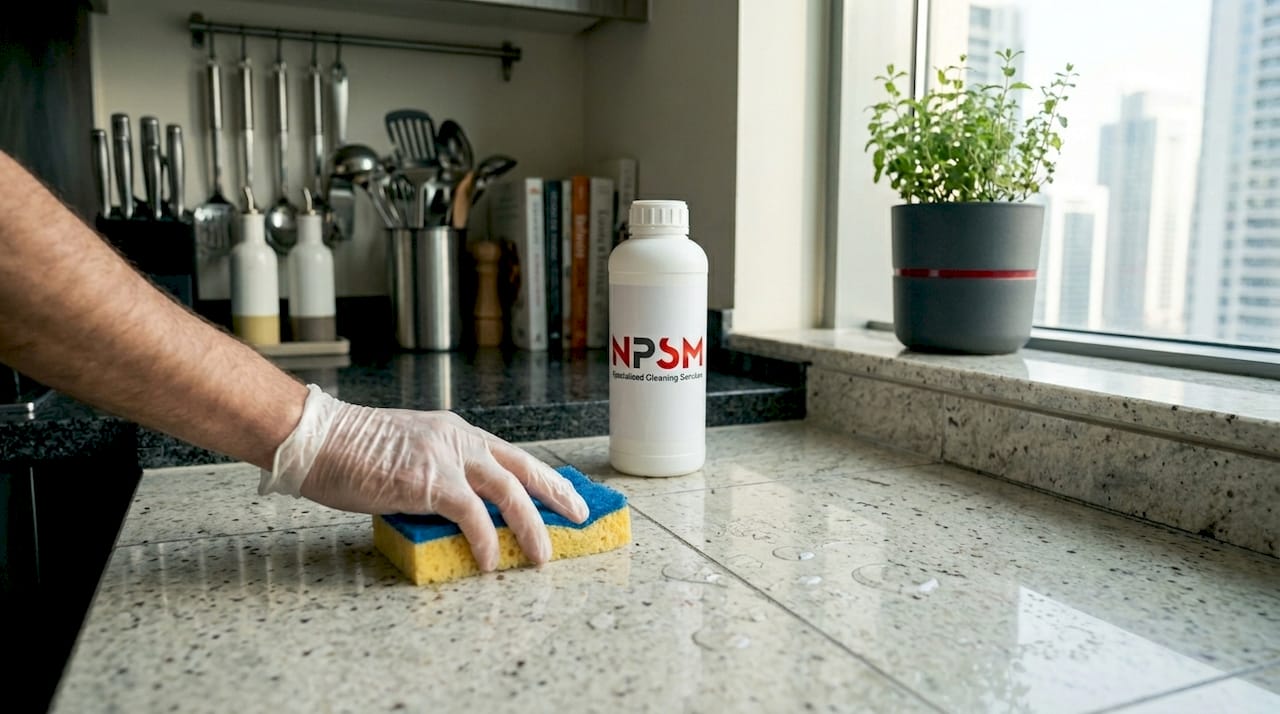
Film-forming sealers sit on top of the floor and create a surface layer that can enhance color and add gloss. They look great initially but are vulnerable to foot traffic, grit, and UV exposure. They need periodic reapplication and can peel or cloud if moisture gets trapped beneath them.
| Feature | Penetrating sealers | Film-forming sealers |
|---|---|---|
| Where it works | Inside the pores | On the surface |
| Appearance change | None | Enhances gloss/color |
| Durability | Very high | Moderate |
| Reapplication frequency | Low | Higher |
| Best for | High-traffic areas, outdoor stone | Interior decorative floors |
| Risk of peeling | None | Yes, especially with moisture |
Which floors benefit from each type:
- Marble and granite: Penetrating sealers preserve the natural look while blocking moisture and stains.
- Concrete: Either type works, depending on whether aesthetics or durability is the priority.
- Wooden floors: Film-forming sealers like polyurethane create the familiar glossy finish; penetrating oils are the alternative for a more natural look. See wooden floor maintenance tips for specifics.
- Vinyl: Vinyl is largely non-porous, so sealing focuses on the surface layer. Check vinyl floor care tips for appropriate product choices.
Pro Tip: For villa entrance areas that take heavy foot traffic, penetrating sealers are the smarter choice. Sand and grit from Dubai streets act like sandpaper on film-forming coatings, wearing them through fast. A penetrating sealer has nothing to wear away at the surface.
The critical role of moisture testing and management before sealing
This is the step most homeowners skip, and it’s the one that causes the most expensive failures.
Concrete slabs, even ones that feel completely dry underfoot, can hold substantial moisture internally. When you seal over that moisture with a non-breathable coating, the vapor has nowhere to go. The result is trapped moisture causing whitening, bubbling, and peeling that can destroy a fresh seal job within weeks.
“A floor can look bone dry on the surface and still be saturated enough internally to cause sealer failure. The surface dries first. The slab holds moisture far longer.”
Two industry-standard tests are used to verify slab readiness:
- ASTM F2170 in-situ relative humidity probe: A probe is inserted into the slab at a specific depth to measure internal humidity. The standard requires a maximum of 75% RH for most sealers.
- ASTM F1869 calcium chloride test: A sealed dish of calcium chloride is placed on the slab for 60 to 72 hours. Acceptable results fall below 3 lbs per 1,000 square feet per 24 hours for most products.
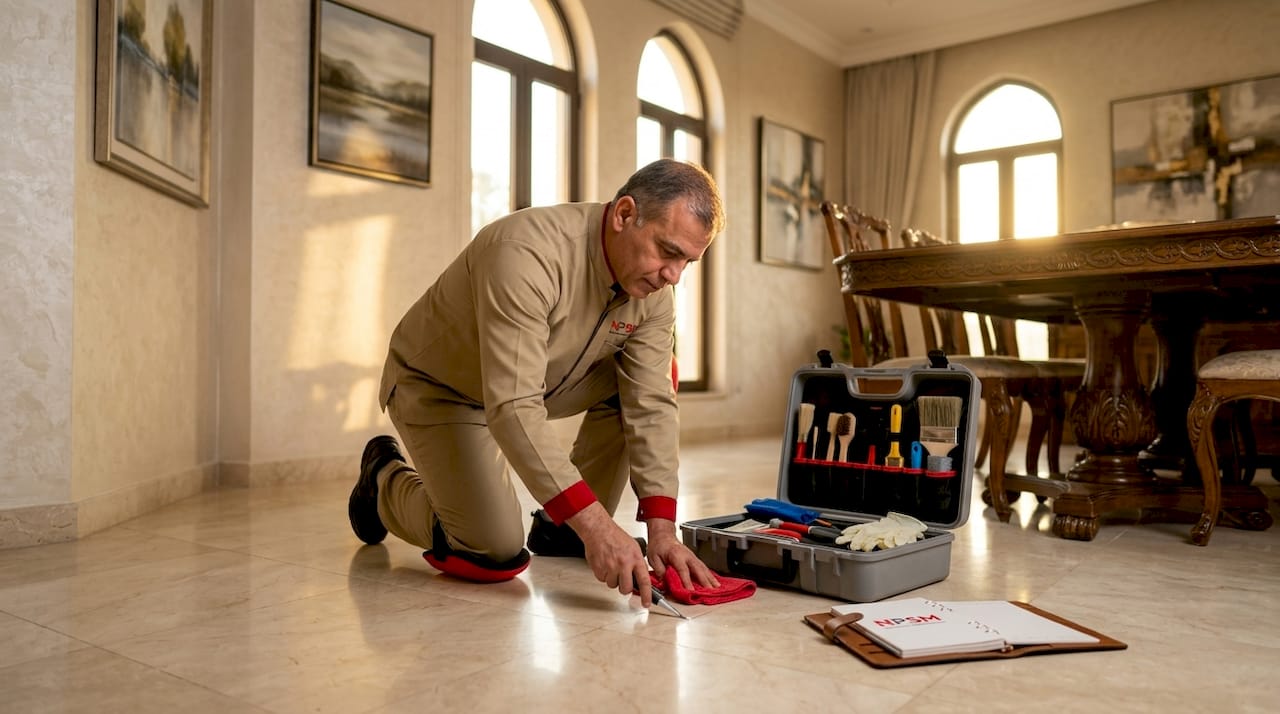
- Surface preparation assessment: The professional checks for contamination, previous coatings, or repairs that affect sealer adhesion.
- Sealer selection based on results: High RH readings point toward breathable or moisture-tolerant penetrating sealers rather than film-forming options.
- Documentation and baseline: A professional records results so future resealing can reference the slab’s moisture history.
Skipping moisture testing is not a shortcut. It’s a guaranteed path to premature failure, especially in Dubai where ground-level apartments and villa foundations can be exposed to rising moisture from surrounding landscaping and irrigation. The post-renovation floor polishing guide covers why moisture assessment also matters after construction work, when slabs are often still curing.
How to properly apply floor sealers for lasting protection
Knowing how to seal floors correctly matters as much as choosing the right product. Application errors are responsible for a large share of early seal failures, even when the right sealer is selected.
Here is a standard professional floor sealing process:
- Surface cleaning and preparation: The floor is cleaned thoroughly and any grease, dust, or existing coatings are removed. Contaminated surfaces prevent bonding.
- Moisture verification: As covered above, this happens before any sealer touches the floor.
- First coat application: The sealer is applied evenly using a roller, sprayer, or brush depending on the product and floor type.
- Waiting period between coats: Penetrating sealers typically require a 40-minute wait between coats to allow the first application to absorb fully before the second.
- Second coat application: Applied to ensure full coverage and consistent protection across the entire surface.
- Curing period before foot traffic: Most penetrating sealers require at least 24 hours before light foot traffic. Vehicle traffic on garage floors typically needs at least one week.
- Post-application inspection: The professional checks for missed spots, uneven coverage, or surface defects before signing off.
Pro Tip: In Dubai, schedule professional sealing during the cooler months between October and March. High summer temperatures accelerate solvent evaporation, which can prevent full absorption into pores and compromise curing. Cooler, drier conditions give the sealer the time it needs to bond properly.
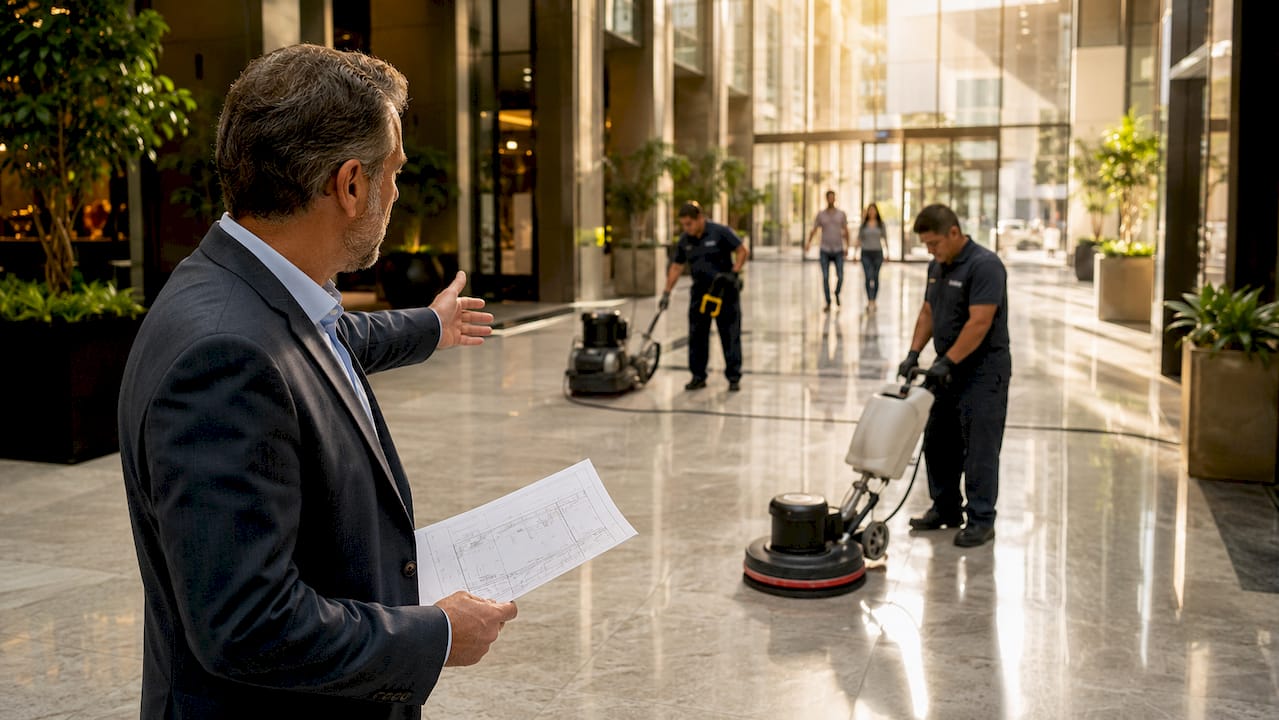
For floors in high-use areas like building lobbies or villa living rooms, the high-traffic floor care guide provides additional context on managing sealed floors under daily pressure.
Maintaining sealed floors: best practices for Dubai villas and apartments
Sealing is not a one-time fix. It’s the foundation of a maintenance system. Done right, it dramatically reduces your workload. Done without a care routine, even the best seal job degrades faster than it should.
What to do:
- Place entry mats at all exterior-facing doors. Grit tracked indoors creates a sandpaper effect that wears down sealants faster than almost anything else.
- Dry mop or sweep daily in high-traffic areas. Don’t let abrasive particles accumulate.
- Use only pH-neutral or manufacturer-recommended cleaners. Harsh chemicals dissolve sealer chemistry over time.
- Address spills quickly, particularly acidic substances like citrus juice or vinegar that can etch stone and damage surface coatings.
- Schedule professional inspections annually or biannually to catch early wear before it becomes a full resealing job.
What to avoid:
- Wet mopping with excessive water, especially on stone and wood.
- Abrasive scrubbing pads that scratch surface sealers.
- Steam cleaning on film-forming sealers, which can cause delamination.
- Placing rubber-backed mats directly on sealed floors for long periods, as some rubber compounds react with sealer chemistry.
Pro Tip: Keep a record of the sealer type and application date. When it comes time for resealing, the professional needs to know whether the existing coating is penetrating or film-forming to avoid incompatibility issues. This is especially relevant for granite floor maintenance where layering incompatible products can cloud the surface permanently.
The overlooked truth about floor sealing success in Dubai homes
Most homeowners think floor sealing is a product decision. Pick the best sealer, apply it correctly, and you’re protected. That’s not wrong, but it’s incomplete in a way that costs people real money.
The actual determinant of long-term floor sealing success is moisture intelligence. Not the brand of sealer. Not even the application technique. It’s whether the professional doing the work understands what moisture is doing inside your specific slab, under your specific conditions, at the time of application. Skipping moisture verification causes sealer failures that look like workmanship problems but are actually material science problems.
We’ve seen this pattern repeatedly in Dubai properties. A villa owner hires a general handyman, the floor looks great for three months, then bubbling starts near the kitchen or bathroom. The handyman gets blamed. But the real issue was a concrete slab still releasing moisture from recent plumbing work, or a ground-floor apartment with a high water table beneath the foundations.
The best professional floor care Dubai service is one that treats moisture testing as non-negotiable, not optional. It’s also one that educates you on what sealer was applied, why, and what maintenance it requires. That conversation is how you protect your floor for five to ten years rather than five to ten months.
Professional floor sealing services for Dubai villas and apartments
Our team at floorpolishing.ae handles floor sealing for marble, granite, wood, vinyl, tiles, and natural stone across Dubai villas and apartments. Every job starts with professional moisture testing to select the exact sealer your floor type and slab conditions require. We don’t apply a product until we know it will bond.
Our floor polishing service in Dubai covers the full process from surface preparation to multi-coat application, curing management, and post-service maintenance advice so you know exactly how to care for your floors going forward. We also cover grout restoration, broken tile repair, and wooden floor sanding as part of a complete floor care approach. Whether you’re sealing after renovation or refreshing floors in a busy family villa, visit our floor polishing guide for Dubai homes to understand each step, or contact us directly for a tailored assessment of your property’s needs.
Frequently asked questions
What exactly does floor sealing do for my Dubai home?
Floor sealing protects against moisture, stains, and wear by creating a barrier either inside your floor’s pores or on its surface, making maintenance easier and significantly extending the floor’s lifespan.
How do I know if my floors need moisture testing before sealing?
Any concrete slab, even one that feels dry, can hold internal moisture, so professional moisture testing using ASTM F2170 or F1869 standards is essential before sealing, especially in ground-floor apartments or areas near plumbing.
What are the main differences between penetrating and film-forming sealers?
Penetrating sealers absorb into the floor and create an invisible hydrophobic barrier without altering appearance, while film-forming sealers add a visible surface layer that enhances sheen but can wear, peel, or cloud over time.
Can I apply floor sealers myself or should I hire professionals?
DIY is technically possible, but most homeowners skip moisture testing before sealing, which is the single most common cause of early failure; professional application ensures testing, correct product selection, and proper curing are all handled correctly.
How should I maintain my sealed floors to keep them looking new?
Use dry mopping daily, place mats at all entry points to stop grit from causing a sandpaper effect on the sealer, avoid harsh chemical cleaners, and schedule professional maintenance checks at least once a year.