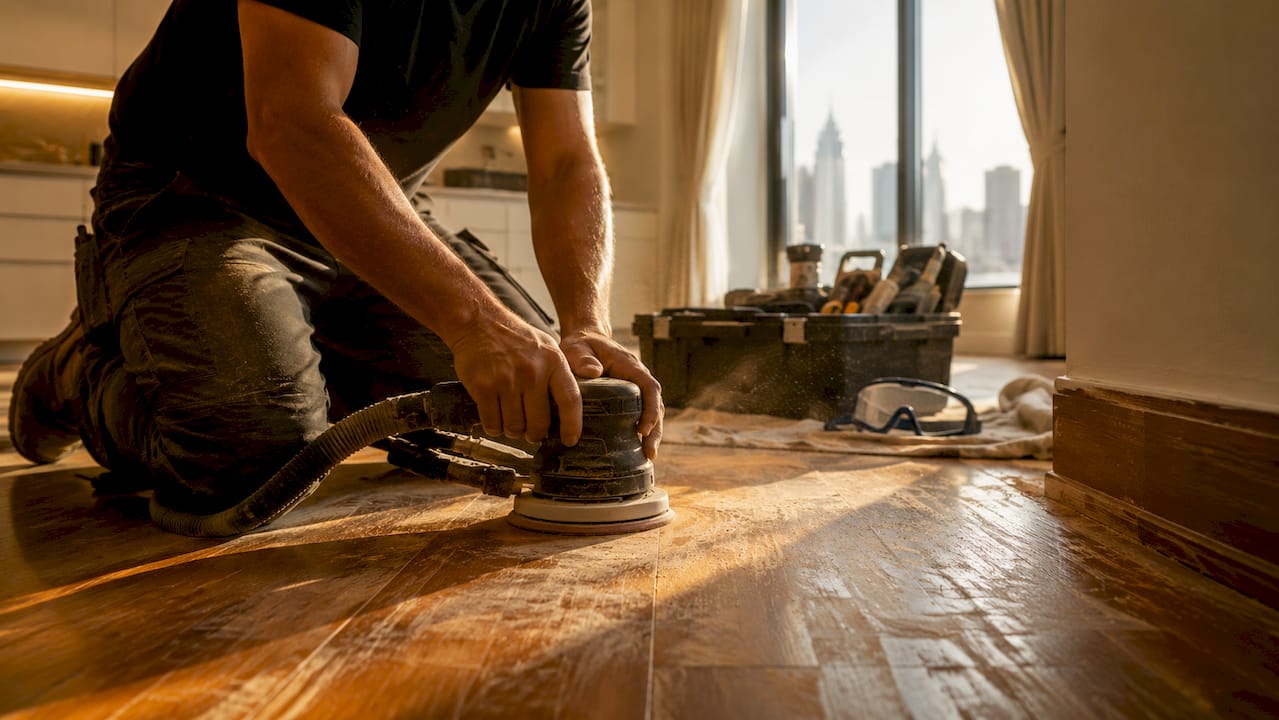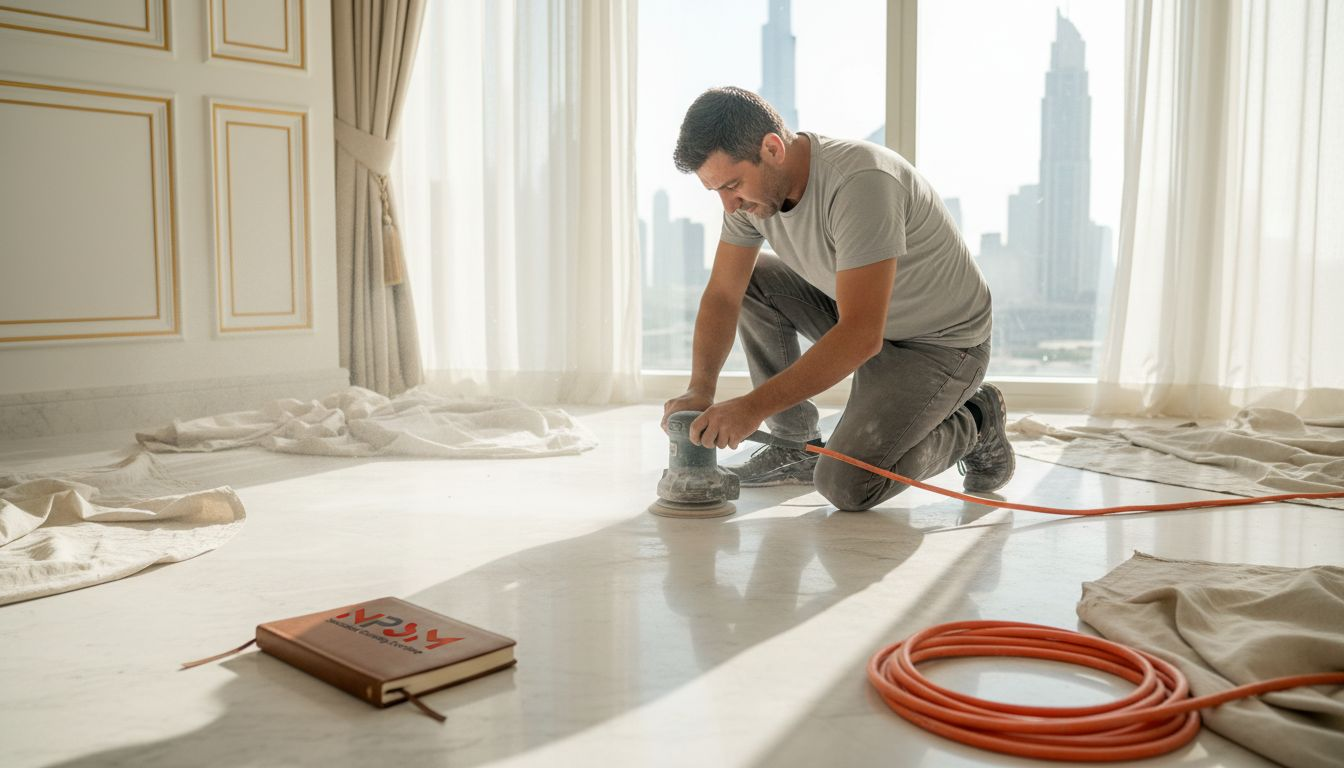

Many luxury property owners in Dubai assume regular polishing keeps floors pristine indefinitely. In reality, polishing only adds surface shine without addressing underlying wear, scratches, or porosity issues that accumulate from Dubai’s intense humidity and heavy foot traffic. Floor refinishing is the transformative process that restores structural integrity, repairs visible damage, and seals surfaces against future deterioration, preserving the beauty and value of high-end marble, wood, stone, and tile interiors.
Table of Contents
-
Common Misconceptions About Floor Refinishing In Luxury Interiors
-
Economic And Lifecycle Benefits Of Scheduled Floor Refinishing
-
Practical Guidance: Selecting Service Providers And Scheduling Refinishing In Dubai
-
Professional Floor Refinishing Services Tailored For Dubai Luxury Homes
Key takeaways
| Point | Details |
| Refinishing vs. polishing | Refinishing repairs and seals floors; polishing only enhances surface shine temporarily. |
| Material-specific methods | Marble, wood, granite, and stone each require tailored refinishing techniques for optimal results. |
| Lifecycle extension | Scheduled refinishing extends floor lifespan by years and reduces replacement costs significantly. |
| Professional expertise | Choosing experienced specialists in Dubai’s climate ensures effective, long-lasting restoration. |
| Post-care maintenance | Gentle cleaning and routine inspections maximize durability after refinishing. |
Understanding floor refinishing: definition and importance
Floor refinishing is a comprehensive restoration process involving sanding, repairing, and sealing floor surfaces to remove damage and protect against future wear. Unlike polishing, which merely enhances surface gloss, refinishing involves surface repair and sealing to restore structural integrity and appearance. For luxury materials like marble, wood, and natural stone commonly found in Dubai villas and apartments, refinishing addresses scratches, stains, and porosity that polishing cannot fix.
Dubai’s harsh climate intensifies floor wear. High humidity, sandstorms, and constant foot traffic accelerate surface degradation. Without proper refinishing, these factors cause dullness, cracks, and moisture infiltration that compromise both aesthetics and structural stability.
Key benefits of refinishing include:
-
Restores original beauty by removing surface imperfections
-
Repairs deep scratches and chips invisible to polishing
-
Seals porous materials against stains and moisture damage
-
Enhances abrasion resistance for high-traffic areas
-
Prevents costly replacements by extending floor lifespan
A common mistake among luxury homeowners is relying solely on polishing for maintenance. While polishing temporarily improves shine, it does not address underlying damage or seal floors against environmental stress. Delaying refinishing allows minor issues to escalate into extensive, expensive repairs.
Pro Tip: Schedule professional floor inspections every 18 months to identify refinishing needs early, preventing minor wear from becoming major damage that requires full replacement.
How floor refinishing works to restore and protect floors
Refinishing employs mechanical and chemical processes to physically restore floor surfaces and chemically seal them against future harm. The process begins with sanding, which removes the top damaged layer, eliminating scratches, stains, and worn finish. For materials like marble and granite, diamond abrasives grind away surface imperfections, revealing fresh, undamaged stone beneath.
Sealing is the protective step that distinguishes refinishing from polishing. Sealants penetrate porous materials like marble, limestone, and wood, filling microscopic pores that trap moisture and stains. This barrier prevents liquids from seeping into the floor, blocking mold growth and discoloration. Refinishing removes up to 60% surface damage in marble, seals pores to block stains, and improves durability significantly in Dubai’s humid environment.
The refinishing sequence follows these steps:
-
Inspection and damage assessment: Professionals evaluate scratches, stains, and structural issues to determine refinishing depth and method.
-
Surface preparation: Floors are cleaned thoroughly to remove dirt, wax, and old sealants that interfere with adhesion.
-
Sanding or grinding: Abrasive tools remove damaged layers, leveling the surface and exposing fresh material.
-
Repair and filling: Cracks and chips are filled with color-matched compounds to restore uniformity.
-
Sealing and finishing: Penetrating sealants are applied, followed by topical finishes that enhance shine and abrasion resistance.
-
Curing and inspection: Floors cure for 24 to 72 hours, after which professionals inspect for uniform coverage and quality.
Refinishing improves abrasion resistance by creating a harder surface layer that withstands daily wear. Sealed floors repel dirt and moisture, making cleaning easier and reducing long-term maintenance needs. In Dubai’s challenging climate, properly refinished floors maintain visual appeal and structural integrity far longer than untreated surfaces.
“Refinishing transforms worn floors into showroom-quality surfaces, extending lifespan and preserving luxury aesthetics in high-end Dubai properties.”
Material-specific refinishing methods and challenges
Luxury flooring materials in Dubai villas and apartments each require tailored refinishing approaches due to their unique physical properties and vulnerabilities. Marble, granite, wood, natural stone, vinyl, and tile present distinct challenges that demand specialized techniques for optimal restoration.

Marble is highly porous and prone to staining from acidic substances. Marble needs frequent sealing due to porosity, while granite requires tougher polishing and sealing, and wood needs sanding then sealing to restore surface integrity. Marble refinishing involves gentle grinding with progressively finer diamond pads to remove etching and scratches, followed by penetrating sealants that block moisture and stains. Recommended refinishing frequency is every 2 to 3 years in high-traffic Dubai homes.
Granite is harder and less porous than marble, requiring tougher abrasives for effective grinding. Refinishing restores shine and seals micro-fissures that trap dirt. Granite floors in Dubai benefit from refinishing every 3 to 5 years, depending on use.
Wood floors, whether hardwood or engineered, are sensitive to moisture and scratches. Refinishing begins with drum or orbital sanding to remove the old finish and surface damage, followed by staining and sealing with polyurethane or oil-based finishes. Dubai’s humidity demands moisture-resistant sealants to prevent warping and swelling. Wooden floors require refinishing every 4 to 6 years or sooner if wear is visible.
Natural stone varieties like limestone, travertine, and slate each have unique porosity and hardness levels. Limestone is softer and more porous, requiring gentle abrasives and frequent sealing. Travertine has natural pits that must be filled during refinishing to prevent dirt accumulation. Slate is harder and less porous but still benefits from sealing to enhance color and resist stains.
| Material | Refinishing Method | Key Challenge | Optimal Frequency |
| Marble | Diamond grinding + penetrating sealer | High porosity, acid sensitivity | Every 2-3 years |
| Granite | Heavy abrasives + fissure sealing | Hardness requires tougher tools | Every 3-5 years |
| Wood | Sanding + moisture-resistant sealer | Humidity-induced warping | Every 4-6 years |
| Limestone | Gentle abrasives + frequent sealing | Softness, extreme porosity | Every 2 years |
| Travertine | Filling pits + sealing | Natural surface voids | Every 3 years |
| Slate | Light grinding + color-enhancing sealer | Color fading, moderate porosity | Every 4-5 years |
Vinyl and tile floors, while less porous, still accumulate scratches and grout wear. Vinyl refinishing involves buffing and applying protective coatings, while tile refinishing focuses on grout restoration, resealing, and surface buffing to remove scuff marks.
Pro Tip: Always verify that your refinishing service provider uses material-specific products and techniques, as generic approaches can damage delicate surfaces or fail to protect against Dubai’s environmental stressors. Consult marble flooring cleaning guides and troubleshooting resources to understand material-specific care needs.
Common misconceptions about floor refinishing in luxury interiors
Many luxury homeowners harbor misconceptions about refinishing that lead to premature floor deterioration and unnecessary replacement costs. Clarifying these myths helps you make informed maintenance decisions.
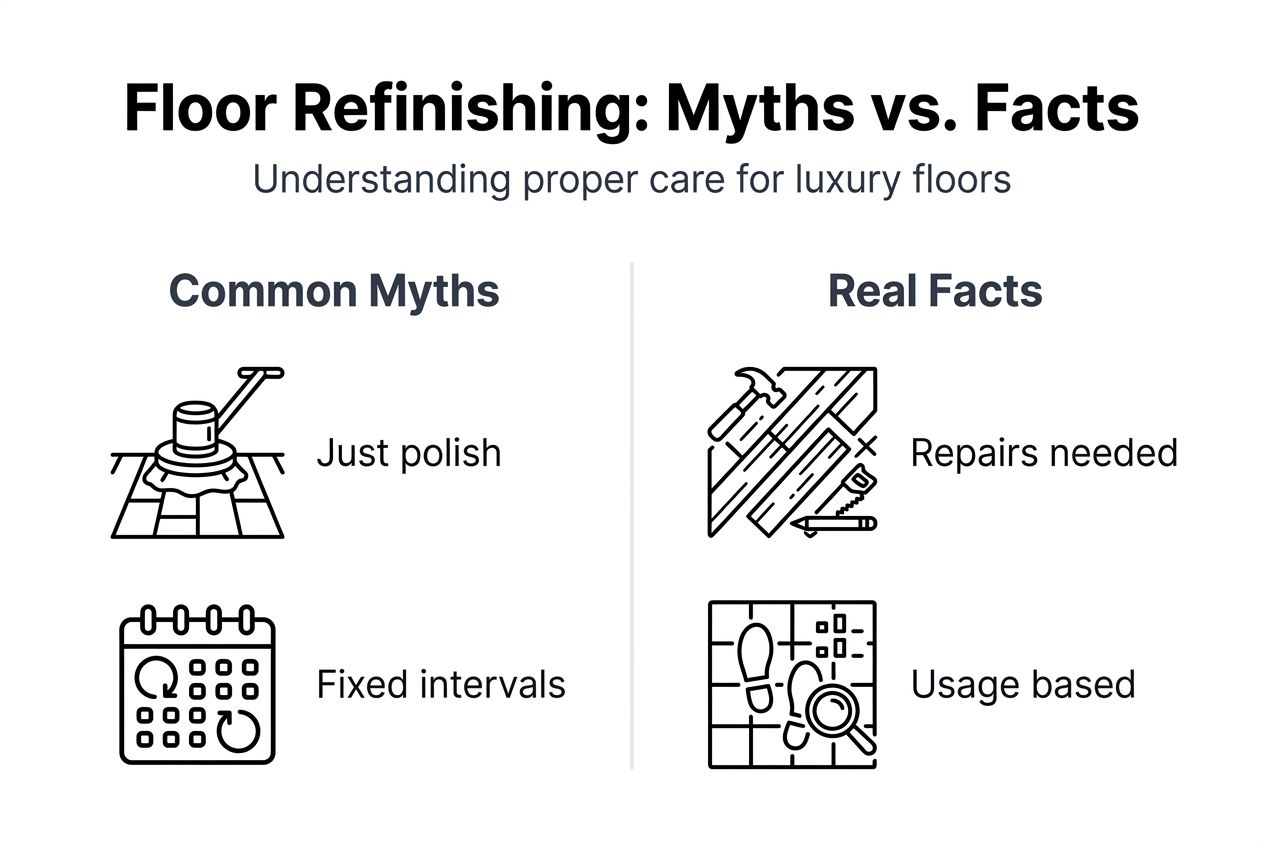
Myth 1: Polishing alone is sufficient for floor maintenance. Polishing only adds surface shine by buffing the top layer. It does not repair scratches, fill cracks, or seal porous materials. Over time, relying solely on polishing allows damage to accumulate, eventually requiring full replacement instead of periodic refinishing.
Myth 2: Refinishing is needed only when floors look severely damaged. Visible damage signals that refinishing is overdue. Proactive refinishing every few years prevents minor wear from escalating into deep scratches, stains, and structural issues. Waiting until floors appear ruined increases costs and reduces restoration effectiveness.
Myth 3: Refinishing intervals are fixed regardless of use. Refinishing frequency depends on foot traffic, environmental exposure, and material type. High-traffic areas and floors exposed to moisture or sunlight degrade faster, requiring more frequent refinishing than low-use spaces.
Myth 4: Refinishing is prohibitively expensive compared to replacement. Refinishing costs a fraction of replacement expenses. Neglecting refinishing accelerates wear, forcing premature replacement that costs four times more than scheduled maintenance. Regular refinishing preserves floors for decades, delaying expensive replacements indefinitely.
Myth 5: Any polishing service can handle refinishing. Refinishing requires specialized equipment, expertise, and material knowledge. Generic polishing services often lack the skills to sand, repair, and seal floors properly, resulting in subpar results and potential damage.
Common mistakes to avoid:
-
Using acidic or abrasive cleaners that strip sealants and damage surfaces
-
Ignoring early signs of wear like dullness or minor scratches
-
Delaying professional assessments until damage is severe
-
Choosing providers based solely on price without verifying expertise and material-specific experience
Economic and lifecycle benefits of scheduled floor refinishing
Scheduled refinishing delivers measurable financial and lifecycle advantages that far outweigh the upfront costs. By investing in periodic restoration, luxury homeowners avoid exponentially higher replacement expenses and extend floor lifespan significantly.
Neglecting refinishing can cost four times more in replacement fees, while scheduled refinishing extends floor life by years, preserving both aesthetics and property value. For example, marble floors that receive refinishing every 3 years can last 30 years or more, whereas neglected marble often requires replacement within 10 to 15 years. The cumulative cost of refinishing every 3 years totals far less than a single full replacement.
Refinishing also retains aesthetic value, which directly impacts property resale prices. Dull, scratched floors signal neglect to potential buyers, reducing offers. Pristine, well-maintained floors enhance perceived value and justify premium pricing.
| Scenario | Marble Lifespan | Wood Lifespan | Total Maintenance Cost (30 years) | Replacement Cost (30 years) |
| With refinishing every 3 years | 30+ years | 30+ years | AED 15,000 | AED 0 |
| Without refinishing | 10-15 years | 12-18 years | AED 0 | AED 60,000+ |
Scheduled refinishing prevents small issues from escalating into major repairs. Minor scratches sealed during refinishing do not deepen into cracks that compromise structural integrity. Stains blocked by sealants do not penetrate deep enough to require extensive grinding or replacement.
“Proactive refinishing is an investment in floor longevity, aesthetic preservation, and long-term cost savings, making it indispensable for luxury property maintenance in Dubai.”
Pro Tip: Establish a refinishing schedule based on professional assessments and material recommendations. Track refinishing history and floor condition in a maintenance log to optimize intervals and budget predictably for upkeep.
Practical guidance: selecting service providers and scheduling refinishing in Dubai
Choosing the right refinishing professionals and timing your service appropriately maximizes results and protects your investment. Dubai’s unique climate and luxury property standards demand specialized expertise.
Criteria for selecting qualified refinishing specialists:
-
Material expertise: Verify that providers have proven experience with your specific flooring material, whether marble, wood, granite, or natural stone.
-
Integrated services: Look for companies offering comprehensive restoration, including grout repair, epoxy coatings, and wooden floor sanding, to address all floor issues in one engagement.
-
Certifications and training: Ask about technician certifications in stone and wood care from recognized industry bodies.
-
Portfolio and references: Review before-and-after photos of past projects and contact previous clients to assess quality and reliability.
-
Transparent pricing: Request detailed quotes that itemize costs for inspection, materials, labor, and any additional repairs.
-
Climate-appropriate techniques: Ensure providers use moisture-resistant sealants and methods suited to Dubai’s humidity and temperature extremes.
Decision framework for scheduling refinishing:
-
Inspect floors for visible wear: Look for dullness, scratches, stains, or difficulty cleaning as indicators that refinishing is due.
-
Assess environmental exposure: Floors in sunlit areas or near entryways degrade faster and may need more frequent refinishing.
-
Evaluate foot traffic levels: High-traffic zones like hallways and living rooms require shorter refinishing intervals than low-use guest rooms.
-
Consider seasonal timing: Schedule refinishing during Dubai’s cooler months (November to March) when humidity is lower, allowing sealants to cure more effectively.
-
Book professional evaluation: Engage specialists to measure surface hardness, porosity, and damage depth, providing precise refinishing recommendations.
-
Plan logistics: Coordinate refinishing during periods when you can vacate rooms for 2 to 4 days to allow for curing without disruption.
Pro Tip: Align refinishing with Dubai’s seasonal climate patterns. Cooler, drier months optimize sealant adhesion and curing, while avoiding summer humidity reduces the risk of moisture-related complications during the refinishing process.
For comprehensive floor care, consult floor polishing services in Dubai, wooden floor polishing specialists, and maintenance guides for 2026 to ensure your floors receive expert, climate-appropriate treatment.
Post-refinishing care and maintenance tips
Proper care after refinishing maximizes the durability and appearance of your floors, protecting your investment for years. Follow these best practices to maintain newly restored surfaces.
Gentle cleaning methods:
-
Use pH-neutral cleaners specifically formulated for your floor material to avoid stripping sealants or causing discoloration.
-
Microfiber mops capture dirt without scratching sealed surfaces.
-
Avoid excessive water on wood floors to prevent moisture infiltration and warping.
Substances to avoid:
-
Acidic cleaners like vinegar or lemon-based products etch marble and dissolve sealants.
-
Abrasive scrubbers and powders scratch polished surfaces, dulling shine and damaging protective coatings.
-
Harsh chemicals like bleach degrade wood finishes and discolor natural stone.
Routine inspections:
-
Check floors monthly for new scratches, stains, or dullness that indicate sealant wear.
-
Address spills immediately to prevent staining, especially on porous materials like marble and limestone.
-
Monitor high-traffic areas for signs of accelerated wear that may require spot touch-ups.
Immediate damage prevention:
-
Place felt pads under furniture legs to prevent scratches and dents.
-
Use rugs or mats in entryways to capture sand and dirt before it reaches floor surfaces.
-
Control indoor humidity with dehumidifiers during Dubai’s summer months to prevent moisture damage to wood and natural stone.
-
Trim pet nails regularly to minimize scratching on polished surfaces.
Pro Tip: Schedule professional check-ups every 12 to 18 months to assess sealant integrity and perform spot touch-ups. Early intervention prevents minor wear from escalating into damage that requires full refinishing, extending the time between major restoration cycles.
For detailed maintenance strategies, refer to wooden floor maintenance tips for Dubai in 2026 to keep your floors in pristine condition year-round.
Professional floor refinishing services tailored for Dubai luxury homes
Maintaining the beauty and durability of luxury floors in Dubai requires expert refinishing services that understand the unique challenges of the region’s climate and high-end property standards. Our specialized team offers comprehensive restoration for marble, granite, wood, vinyl, natural stone, and tile floors, using climate-appropriate techniques and premium materials designed for Dubai’s intense humidity and heat.
We provide integrated services including grout restoration, broken tile repair, and wooden floor sanding, ensuring every aspect of your flooring receives professional attention. Our transparent pricing and customizable service packages cater to villas and apartments of all sizes, delivering exceptional results that preserve aesthetic appeal and extend floor lifespan.
Whether you need comprehensive floor polishing and restoration, expert wooden floor refinishing, or natural stone polishing, our experienced professionals ensure your floors receive the care they deserve. Contact us today for a professional evaluation and discover how scheduled refinishing can transform and protect your luxury interiors.
FAQ
How often should I refinish my marble floors in Dubai?
Refinish marble floors every 2 to 3 years in Dubai due to high humidity and heavy use, though intervals vary based on traffic and condition. Professional assessments help determine exact timing, as floors in sunlit areas or near entryways may require more frequent attention. Natural stone polishing experts can inspect your marble to recommend optimal refinishing schedules.
Can floor polishing replace refinishing for luxury wood floors?
Polishing only adds surface shine and does not repair scratches, seal wood, or address underlying damage. Refinishing involves sanding away damaged layers and applying moisture-resistant sealants, essential for restoring durability and appearance in Dubai’s humid climate. For comprehensive wood floor care, consult wooden floor dullness solutions to understand when refinishing is necessary.
What are key signs my floors need refinishing?
Visible scratches, stains, dullness, or difficulty cleaning indicate refinishing is due. Increased porosity, where spills absorb quickly instead of beading on the surface, signals that sealants have worn away and floors are vulnerable to moisture and stain damage. Early refinishing prevents these issues from worsening into structural problems. Learn more about restoring wooden floors in Dubai to identify and address wear before it escalates.