
TL;DR:
- Mall floor restoration involves multiple steps to repair and preserve worn, high-traffic surfaces efficiently. Proper surface preparation, phased work, and ongoing maintenance are essential to ensure lasting results and operational continuity. Restoration is more cost-effective and environmentally friendly than full replacement, especially with a proactive maintenance approach.
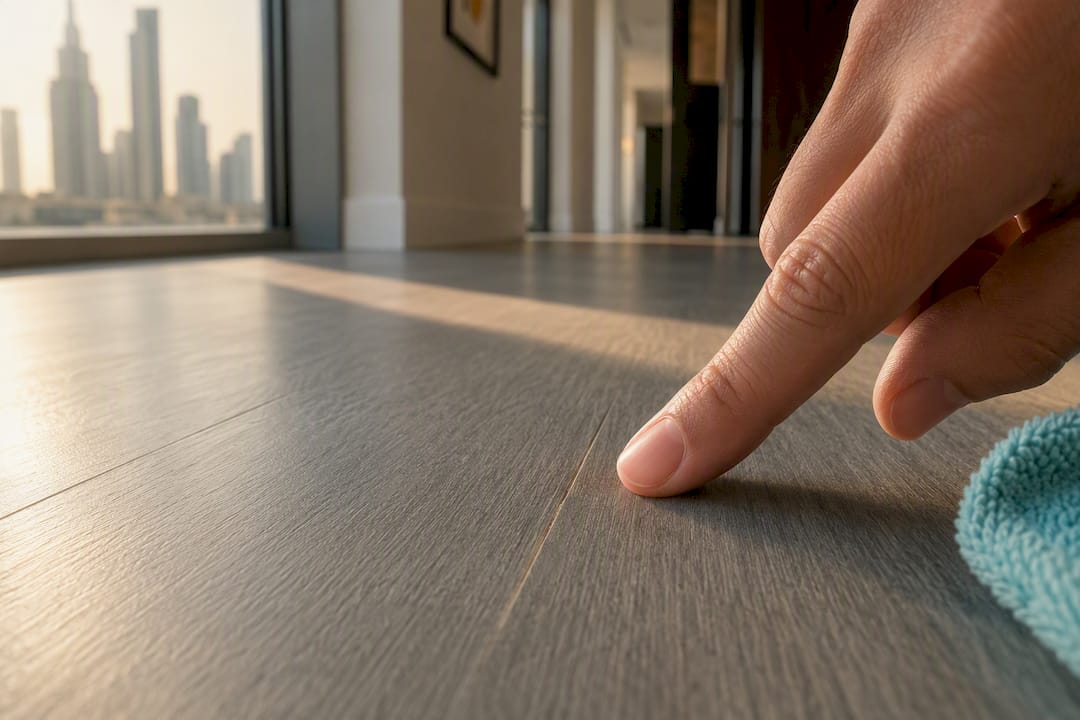
Shopping mall floor restoration is a multi-step professional process that renews worn, damaged, or dull flooring surfaces to restore both appearance and structural integrity in high-traffic retail environments. The industry term for this work is commercial floor refurbishment, and it covers everything from terrazzo grinding and concrete polishing to hardwood floor restoration and tile resealing. For property managers and mall owners, the stakes are high. Deteriorating floors signal neglect to shoppers, create slip hazards, and accelerate the need for costly full replacement. A well-executed restoration program extends floor lifespan, improves safety, and protects the capital already invested in premium retail space flooring.
What are the common flooring types in malls and their restoration challenges?
Mall floors take more punishment than almost any other commercial surface. Thousands of foot traffic cycles daily, rolling carts, food spills, and cleaning chemicals all degrade flooring faster than in standard office or residential settings. The material type determines both the damage pattern and the correct restoration method.
| Floor Type | Common Damage | Restoration Method |
|---|---|---|
| Terrazzo | Cracks, dull surface, wax buildup | Diamond grinding, honing, polishing, color-matched crack repair |
| Polished concrete | Surface wear, staining, spalling | Grinding, crack repair, resealing or mechanical polishing |
| Porcelain tile | Grout deterioration, surface scratches, lippage | Tile polishing, grout restoration, resealing |
| Hardwood | Deep scratches, cupping, finish loss | Sanding, refinishing, protective coating |
Terrazzo is the most common flooring in large mall lobbies and corridors across Dubai and the UAE. Terrazzo restoration uses progressively finer diamond grits, moving from coarse cuts around grit 50 up to a fine polish near grit 3,000, to remove surface defects and restore gloss. Wax and old coatings must be stripped before grinding begins, or the diamonds clog and the finish turns uneven.
Polished concrete presents a different challenge. The surface looks uniform but hides micro-cracks, contamination, and moisture vapor issues that destroy coatings from below. Over 80% of coating failures on concrete floors trace back to inadequate surface preparation, including contamination, laitance, and moisture. That statistic alone explains why so many mall concrete floors look patchy within months of a rushed repair job.
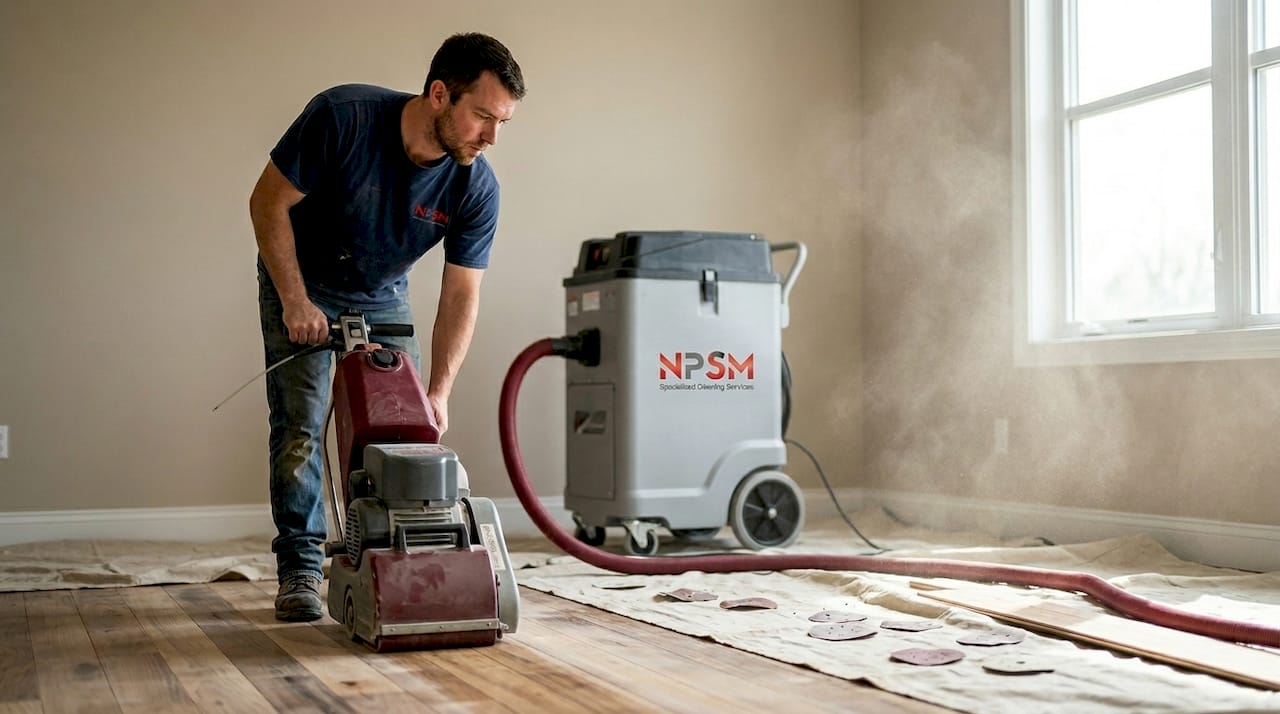
Hardwood floors appear in specialty retail stores and food court seating areas. They respond well to professional floor refinishing, which involves drum sanding to remove the damaged layer, followed by staining and a durable topcoat. The key risk with hardwood in malls is moisture intrusion from cleaning, which causes cupping if the wood absorbs water unevenly.
Key damage patterns to watch across all floor types:
-
Terrazzo: Hairline cracks from building settlement, surface dulling from foot traffic, and wax buildup from improper cleaning
-
Concrete: Spalling at joints, surface pitting, and delaminating coatings
-
Porcelain tile: Cracked grout lines that trap bacteria and moisture, surface micro-scratches that dull the finish
-
Hardwood: Deep scratches from wheeled carts, finish wear in high-traffic lanes, and moisture-related warping
How is the shopping mall floor restoration process executed step by step?
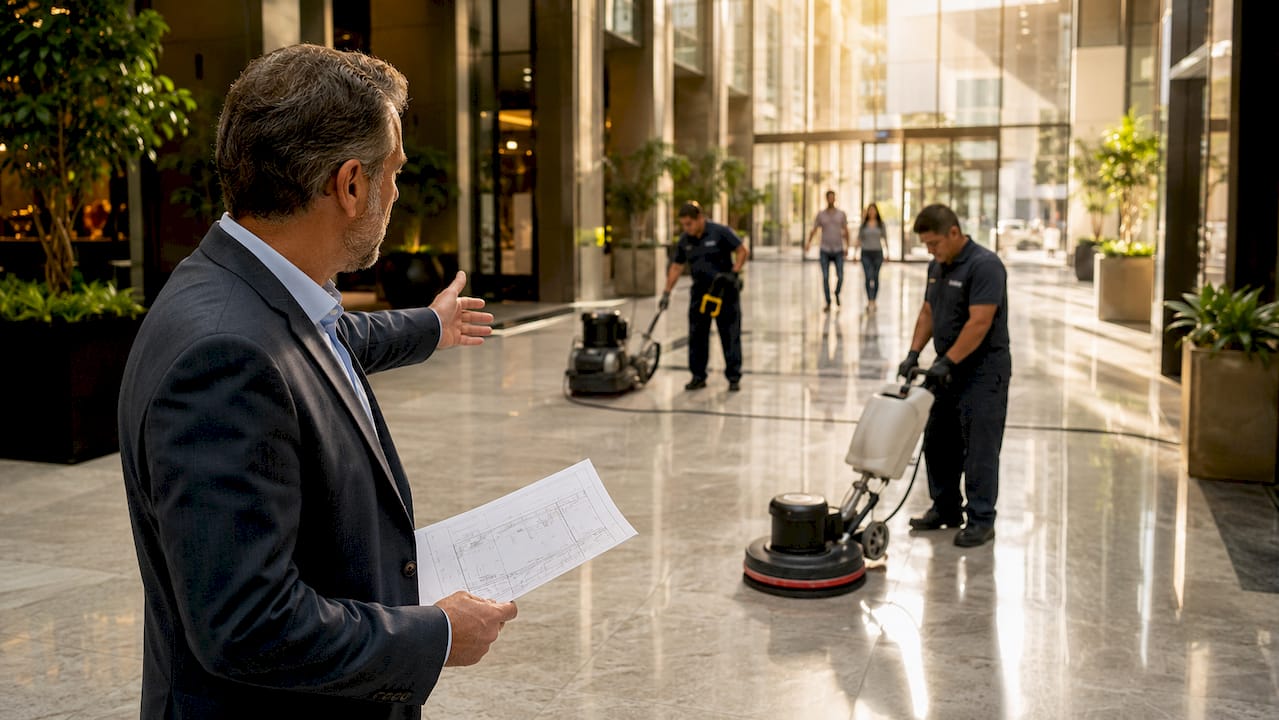
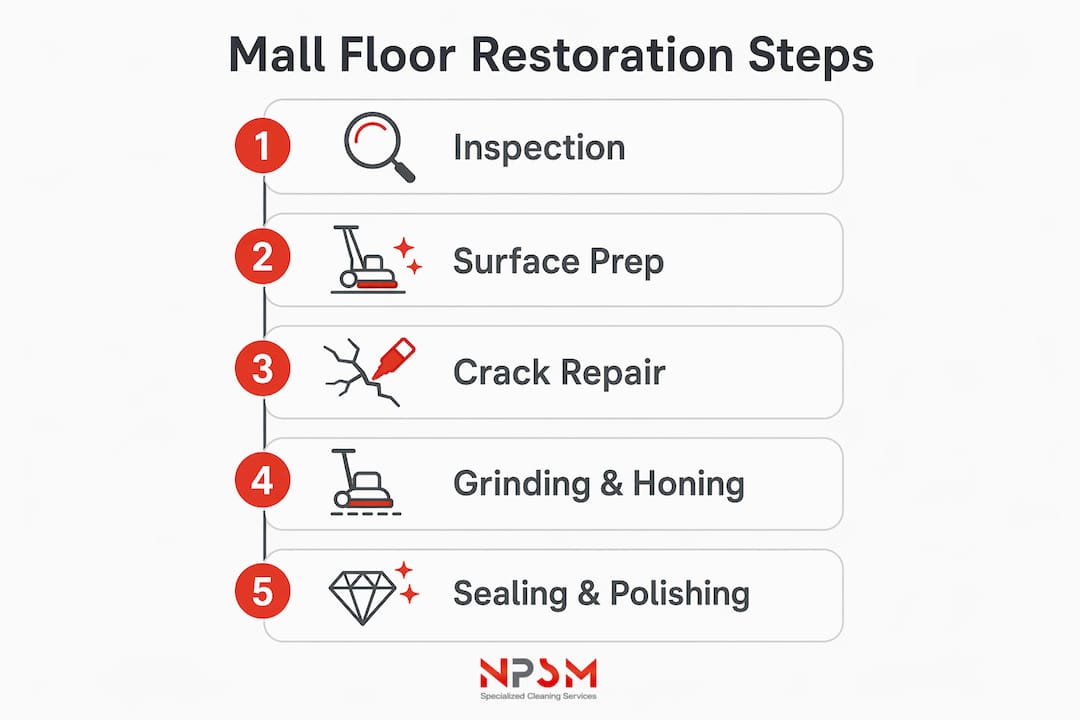
Professional mall floor restoration follows a defined sequence. Skipping steps, particularly early preparation stages, is the primary reason restorations fail prematurely. Phasing restoration work zone by zone, aligned with operational hours, is the standard approach for minimizing downtime and customer impact.
-
Condition assessment. A technician inspects the entire floor area, mapping cracks, stains, coating failures, and high-wear zones. This assessment determines the correct grit sequence, repair materials, and coating system.
-
Surface cleaning and stripping. Existing wax, sealers, and coatings are removed using chemical strippers or mechanical scarifiers. Contamination left on the surface will prevent any new coating from bonding correctly.
-
Crack and joint repair. Small cracks repaired early prevent hazard spread and more costly structural damage. Epoxy or polyurethane fillers are used depending on crack width and movement.
-
Mechanical grinding and honing. Diamond-tooled grinders remove surface defects, level lippage between tiles, and open the surface profile for coating adhesion. For terrazzo, grinding depth must be sufficient after repairs to fully remove visual defects and produce a uniform gloss.
-
Polishing. Progressive polishing steps refine the surface to the target finish level, whether matte, satin, or high gloss.
-
Sealing and coating. A protective sealer or topcoat is applied to lock in the finish and resist future wear. Floor sealing is the final barrier between the restored surface and daily traffic.
Pro Tip: Schedule grinding and honing phases during overnight or weekend windows. Diamond grinding generates significant dust and noise. Running these phases in occupied mall spaces during trading hours creates complaints, safety risks, and potential damage to tenant merchandise.
Surface preparation is not a preliminary step. It is the restoration. Meticulous substrate preparation determines whether the finish coat lasts two years or ten. Moisture and contamination testing before coating application prevents premature bonding failure and the expensive remediation that follows.
What operational strategies help maintain mall functionality during restoration?
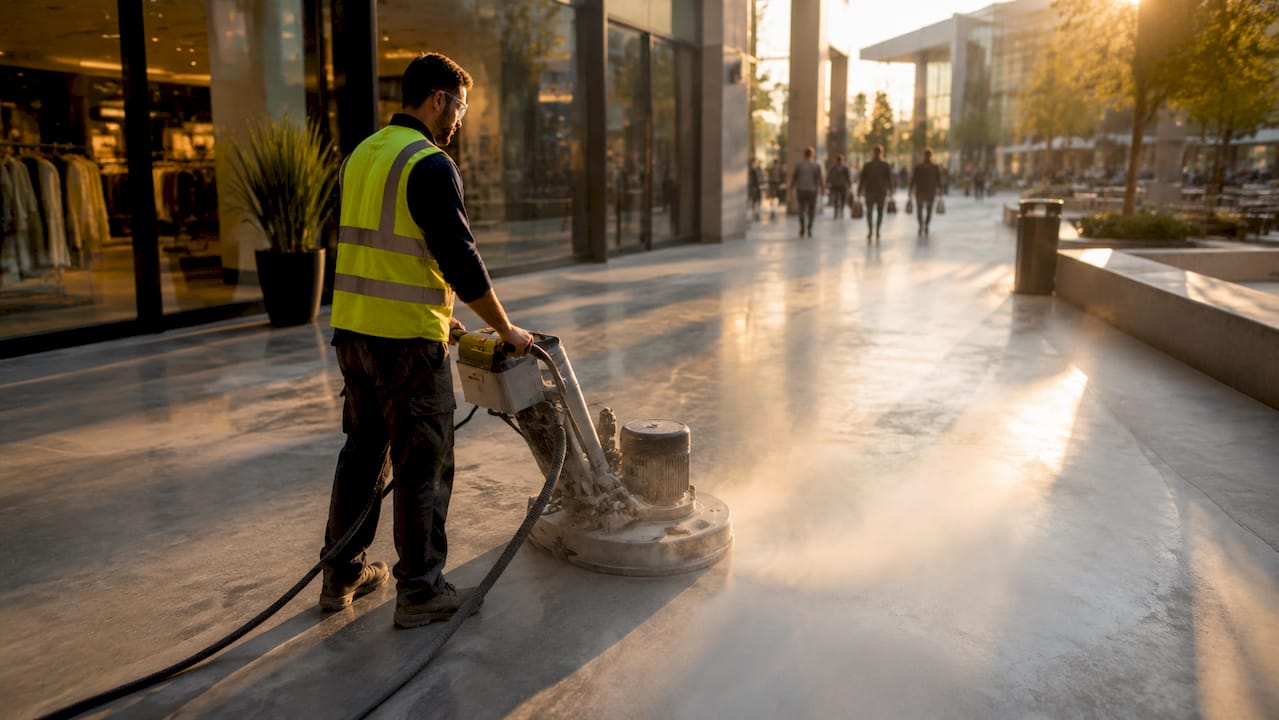
Mall floor restoration does not require closing the property. The correct approach is phased zone-by-zone execution that keeps most of the mall trading while work progresses in isolated sections. Restoration coatings for high-traffic areas must resist rolling loads, spills, and point-load wear, with slip-resistant textures applied selectively in entryways, food courts, and checkout lanes.
Effective operational planning covers these areas:
-
Zone sequencing. Divide the mall into traffic zones: main entryways, primary corridors, food courts, and anchor store thresholds. Restore the lowest-traffic zones first to build crew efficiency before tackling high-visibility areas.
-
Cure time alignment. Select coatings whose cure windows fit the available off-hours window. A coating that needs 8 hours to cure before foot traffic can be applied at mall close and opened by morning.
-
Slip resistance in risk zones. Entryways and food courts accumulate water and grease. Apply slip-resistant coatings in these zones as a non-negotiable safety measure, not an optional upgrade.
-
Tenant and vendor communication. Notify tenants of work schedules at least one week in advance. Coordinate with cleaning contractors to avoid wet-mopping freshly coated surfaces before full cure.
-
Dust and noise control. Night and weekend phased work for terrazzo grinding is the recognized standard in occupied commercial settings. Dust containment barriers and industrial vacuums attached to grinders reduce airborne particles significantly.
Pro Tip: Use a step-by-step restoration workflow as a project checklist. Assign a site supervisor whose sole responsibility is coordinating work zone boundaries with mall security and operations staff. This single role prevents the most common operational conflicts.
How does mall floor restoration compare with full floor replacement?
Concrete floor restoration renews worn areas, improves durability, enhances safety, and extends slab life while reducing long-term maintenance costs compared to full replacement. That comparison holds across most mall floor types.
| Factor | Restoration | Full Replacement |
|---|---|---|
| Cost | Significantly lower per square meter | High material and labor costs |
| Downtime | Phased, minimal disruption | Full zone closure required |
| Environmental impact | Less waste, preserves existing material | Demolition waste, new material production |
| Long-term maintenance | Periodic resealing and polishing cycles | New surface, but same wear cycle begins again |
| Timeline | Days to weeks per zone | Weeks to months for full areas |
Polished concrete reduces recurring resealing needs compared to grind-and-seal systems, which rely on topical coatings that require more frequent upkeep. For property managers managing lifecycle budgets, that difference compounds over a five-year maintenance cycle. The choice between polished concrete and grind-and-seal hinges on disruption tolerance and long-term maintenance budget, not just upfront cost.
Restoration also carries a clear environmental advantage. Replacing terrazzo or concrete floors generates substantial demolition waste and requires new raw materials. Restoration preserves the existing substrate, reduces landfill contribution, and aligns with sustainability reporting requirements that many large retail operators now track.
What are best practices for maintaining restored mall floors?
Restoration results last only as long as the maintenance program that follows. A restored terrazzo floor in a high-traffic mall corridor can degrade back to its pre-restoration condition within 18 months if cleaned with the wrong products or left without periodic repolishing.
-
Use pH-neutral cleaners. Routine cleaning should use pH-neutral, residue-free products that preserve finishes without leaving streaks or film buildup. Acidic or alkaline cleaners etch stone and terrazzo surfaces and strip sealers from concrete and tile.
-
Inspect regularly. Walk the floor monthly with a checklist. Early crack detection prevents small damage from spreading into structural hazards. A crack that costs little to fill today can cost significantly more if ignored for a season.
-
Schedule resealing cycles. High-traffic zones need resealing more frequently than low-traffic areas. A food court floor may need resealing annually, while a back corridor might hold for two to three years. Base the schedule on traffic counts, not a fixed calendar.
-
Maintain slip control. Reapply slip-resistant treatments in entryways and wet zones at each resealing cycle. Slip resistance degrades with wear and cleaning, so it requires active maintenance, not a one-time application.
-
Engage professional services for deep restoration. Annual or biannual professional floor care for high-traffic properties catches wear before it becomes damage and keeps the surface performing at the standard set during the original restoration.
Pro Tip: Keep a floor log for each zone. Record cleaning products used, inspection dates, and any repairs made. This log becomes invaluable when scheduling the next professional restoration cycle and when negotiating maintenance contracts.
Key takeaways
Shopping mall floor restoration delivers the best long-term results when surface preparation, phased scheduling, and a consistent maintenance program are treated as equally critical components of the project.
| Point | Details |
|---|---|
| Surface prep determines durability | Over 80% of coating failures trace to inadequate preparation; test for moisture and contamination before applying any coating. |
| Phase work by traffic zone | Sequencing restoration zone by zone keeps the mall trading and aligns cure times with off-hours windows. |
| Restoration beats replacement on cost and downtime | Restoration preserves the existing substrate, reduces waste, and costs significantly less than full floor replacement. |
| Maintenance extends restoration results | pH-neutral cleaners, regular inspections, and scheduled resealing cycles protect the restored surface from premature wear. |
| Slip resistance is a safety requirement | Apply slip-resistant coatings in entryways, food courts, and wet zones and reapply them at every resealing cycle. |
What I’ve learned from watching mall restorations go wrong
After years working on commercial floor projects across Dubai and the UAE, the pattern I see most often is this: property managers approve the restoration budget, the crew starts work, and the first thing cut when the timeline gets tight is surface preparation. The grinding phase gets shortened. Moisture testing gets skipped. The coating goes down on a surface that was never properly profiled.
Six months later, the coating is delaminating in patches, and the property manager is back on the phone asking why the floor looks worse than before the project started. The answer is always the same. The finish coat is not the restoration. The preparation is.
The second mistake I see is treating the restoration as a one-time event rather than the start of a maintenance cycle. A mall floor that receives a professional restoration and then gets mopped daily with a diluted bleach solution will lose its finish within a year. The restoration sets the baseline. The maintenance program determines how long that baseline holds.
The third issue is underestimating the operational complexity of working in a live retail environment. Dust from diamond grinding travels further than most people expect. Noise from floor machines carries through tenant walls. A restoration crew that starts work at midnight and runs grinders until 4 a.m. will generate tenant complaints that land on the property manager’s desk by morning. Proper scheduling, dust containment, and crew briefings are not optional extras. They are the difference between a project that runs smoothly and one that creates more problems than it solves.
Proactive maintenance is always cheaper than reactive restoration. The property managers who get the best long-term results are the ones who treat their floors the same way they treat their HVAC systems: scheduled inspections, documented service history, and professional intervention before the damage becomes visible to shoppers.
— Qadir
Professional floor restoration services for shopping malls
NPSM Specialized Cleaning Services LLC provides commercial floor restoration across Dubai and the UAE, covering terrazzo, polished concrete, porcelain tile, natural stone, and hardwood surfaces in retail and mall environments. The team works within mall operational schedules, phasing projects zone by zone to keep properties trading throughout the restoration process. Every project begins with a full condition assessment and surface preparation protocol before any finishing work begins. For property managers managing multi-surface floors across large retail footprints, NPSM Specialized Cleaning Services LLC offers professional floor restoration services tailored to the specific demands of high-traffic retail spaces. Contact the team at FloorPolishing.ae for a site assessment and project estimate.
FAQ
What does shopping mall floor restoration involve?
Shopping mall floor restoration is a multi-step process covering inspection, surface preparation, crack repair, mechanical grinding or honing, polishing, and protective sealing. The specific steps vary by floor material, whether terrazzo, concrete, tile, or hardwood.
How long does mall floor restoration take?
Timeline depends on floor area, material type, and damage severity. Phased zone-by-zone scheduling typically allows sections to be completed and reopened within days, keeping the mall operational throughout the project.
Can mall floors be restored without closing the property?
Yes. Retail floor restoration is routinely phased by traffic zone, with grinding and coating work scheduled during off-hours so cure times align with mall opening. This approach minimizes disruption to tenants and shoppers.
How often should restored mall floors be resealed?
High-traffic zones such as food courts and main entryways typically require resealing annually. Lower-traffic corridors may hold for two to three years. Base the schedule on observed wear rather than a fixed calendar interval.
Is restoration cheaper than replacing mall floors?
Restoration costs significantly less than full replacement across all common mall floor types. It also reduces downtime, generates less construction waste, and preserves the existing substrate, which is particularly valuable for premium materials like terrazzo.