
TL;DR:
- Engineered wood floors in Dubai require professional polishing to withstand the harsh climate and maintain their structural integrity. Proper maintenance, including regular screenings and recoats with compatible products, extends the floor’s lifespan significantly. DIY methods and generic products often cause damage, making expert services the most cost-effective solution.
Engineered wood floors look effortless until they don’t. Most Dubai homeowners assume a quick mop and the occasional store-bought spray is all it takes to keep these floors looking sharp. The truth is that Dubai’s environment, sand storms, heavy foot traffic, and fluctuating humidity, pushes engineered wood harder than almost any other climate in the world. Professional polishing isn’t a luxury here. It’s a practical necessity that directly determines how long your floors look good and hold up structurally.
Table of Contents
Key Takeaways
| Point | Details |
|---|---|
| Professional care is crucial | Certified technicians ensure engineered wood lasts longer in Dubai’s demanding climate. |
| Avoid harmful polishes | Wax and acrylic polishes on polyurethane finishes cause adhesion issues and damage. |
| Screen and recoat restores floors | Regular professional screening and recoating protect and enhance engineered wood’s beauty. |
| Routine maintenance matters | Using pH-neutral cleaners and monitoring moisture prevents delamination and dullness. |
| Dubai homes face unique challenges | Sand, dust, and humidity in Dubai make engineered wood care more intensive than elsewhere. |
What makes engineered wood unique in Dubai homes
Now that we’ve established engineered wood isn’t maintenance-free, let’s unpack its unique challenges for Dubai homeowners.
Engineered wood is not solid hardwood. Its structure is layered: a thin real-wood veneer sits on top of multiple layers of compressed plywood or HDF (high-density fiberboard). That top veneer, typically 2mm to 6mm thick, is what gives the floor its warmth and beauty. Everything below it is structural. This design makes engineered wood more dimensionally stable than solid wood, but it also means there’s a limited amount of material you can work with before repairs become impossible.
Here are the key structural facts that Dubai homeowners need to understand:
-
The veneer layer is thin and cannot be sanded endlessly like solid wood
-
The core layers are vulnerable to moisture penetration if the surface finish breaks down
-
Once the veneer is compromised, the entire board often needs replacing
-
A polished, intact finish is literally the only thing protecting the core from moisture
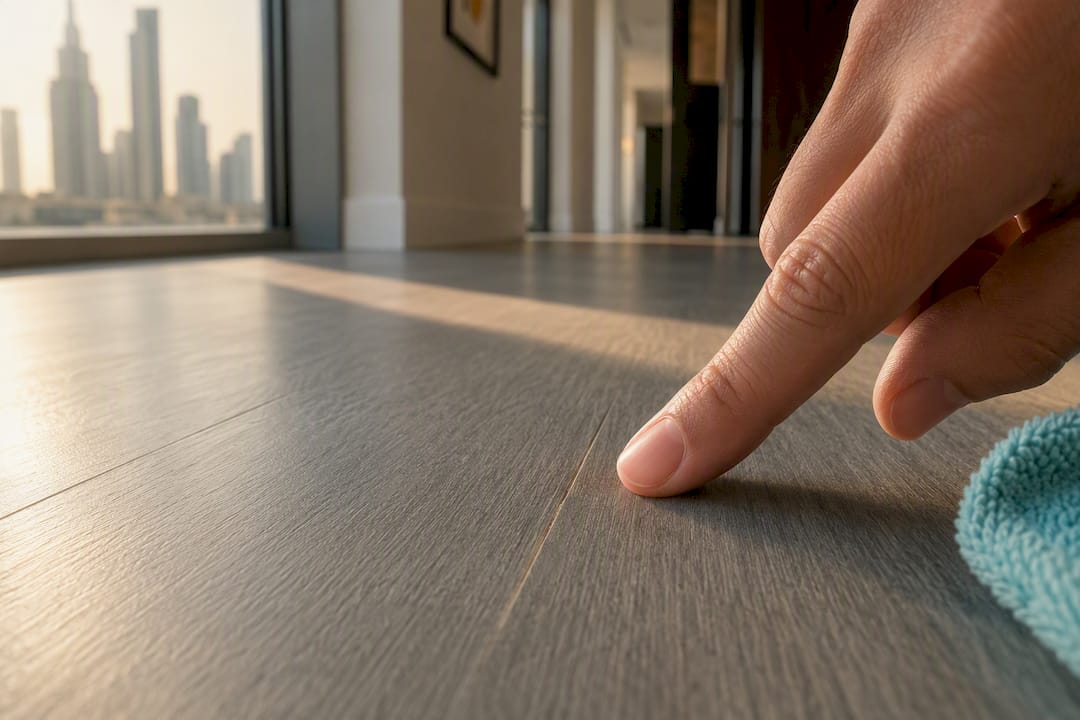
Dubai’s environment adds serious pressure to this equation. Dubai’s environment impact on interior surfaces includes fine sand particles that act like sandpaper underfoot, plus humidity levels that swing dramatically between air-conditioned interiors and hot outdoor air. Every time someone walks across your floor, microscopic sand particles scratch the finish. Over months, this creates a surface that looks dull, feels rough, and no longer repels moisture effectively.
Excess moisture causes delamination in engineered wood floors, which means the layers literally start to separate. Once delamination begins, no amount of polishing will fix it.
This is why understanding wood flooring types for Dubai matters before you invest in any floor. The wrong product in the wrong environment leads to early failure, no matter how well you maintain it. For those who already have engineered wood installed, the focus shifts entirely to protecting what you have.
Why professional polishing outperforms DIY
Understanding these vulnerabilities, it’s clear why the right polishing approach makes all the difference, especially in Dubai.
Walk into any hardware store in Dubai and you’ll find shelves full of floor polish products promising shine and protection. The problem is that most of them are formulated for general use, not specifically for polyurethane-finished engineered wood. Using the wrong product doesn’t just fail to help. It actively damages your floor.
DIY mistakes that Dubai homeowners commonly make:
-
Applying wax-based polish over a polyurethane finish (creates a cloudy, sticky layer)
-
Using steam mops that push moisture into seams and core layers
-
Over-saturating the floor with water-based cleaners
-
Using abrasive scrubbers that scratch the veneer surface
-
Applying acrylic-based spray polishes that seal the surface incorrectly
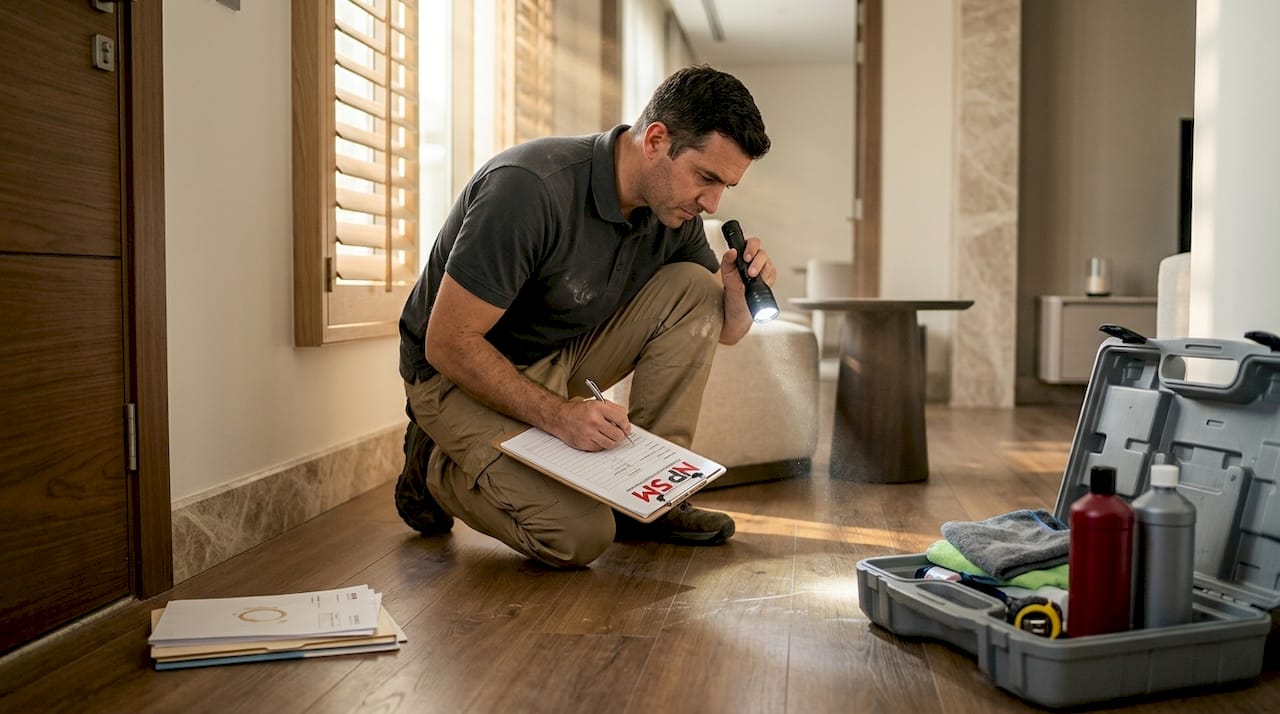
Professionals approach polishing engineered hardwood completely differently. They start with an assessment of the current finish condition, identify any areas of wear or damage, and then select products that are chemically compatible with the existing polyurethane coating. They use pH-neutral cleaners, professional-grade buffing equipment, and apply finishes in controlled conditions that ensure proper adhesion.
| Factor | DIY approach | Professional approach |
|---|---|---|
| Product selection | Generic store-bought polish | pH-neutral, finish-specific products |
| Equipment | Mop, spray bottle | Commercial buffers, screen pads |
| Surface prep | Usually skipped | Thorough cleaning and inspection |
| Finish compatibility | Often incorrect | Verified before application |
| Drying conditions | Uncontrolled | Managed for adhesion quality |
| Result longevity | Weeks to months | 12 to 24 months |
Pro Tip: Before any polishing product touches your engineered wood floor, check what finish the manufacturer applied. Polyurethane finishes, which cover most modern engineered wood, require completely different care than oil-based or wax finishes. Mixing these up is the fastest way to void your floor warranty.
Professional screen/recoat by certified technicians is considered the gold standard for maintaining engineered wood in high-traffic environments, specifically because it removes micro-scratches without cutting into the veneer. For Dubai villas where families, domestic staff, and guests all move through daily, this process is what separates floors that last 20 years from floors that need replacement in 8.
Our wood floor polishing Dubai services use exactly this certified approach, and we’ve seen firsthand how much longer floors hold up when the right method is applied from the start. For ongoing care between professional visits, our floor protection tips offer practical guidance tailored to Dubai’s specific conditions.
How the screen and recoat process extends floor life
With professional expertise established, let’s dive into how their techniques, especially screening and recoating, actually work.
Screen and recoat is the most effective maintenance process for engineered wood that still has a good finish but shows signs of wear. It’s different from full sanding and refinishing. Instead of removing the old finish entirely, it lightly abrades the surface to give the new coating something to grip. This preserves the veneer while restoring protection and appearance.
Here’s exactly how the process works, step by step:
-
Thorough cleaning. The floor is swept, vacuumed, and deep-cleaned to remove all sand, dust, and residue. Any cleaning product left on the surface will prevent the new coat from bonding.
-
Inspection. The technician checks for deep scratches, soft spots, or delamination. Areas with moisture damage are flagged before work begins.
-
Screening. A floor buffer fitted with a fine abrasive screen pad (typically 120 to 180 grit) is used to lightly scuff the existing finish. This is not sanding. It removes less than 0.1mm of material.
-
Cleaning again. All dust from screening is removed with a microfiber system to ensure a perfectly clean surface.
-
Coating application. One to two coats of a compatible polyurethane or water-based finish are applied with a professional applicator. Each coat is allowed to cure fully.
-
Final inspection. The technician checks for even coverage, bubbles, or streaks before approving the work.
The results are measurable. A fresh screen and recoat typically increases surface gloss by 40 to 60 percent, restores a moisture barrier that degraded finishes lose, and adds 3 to 5 years of protected life to the floor. Here’s how the before and after compares across key metrics:
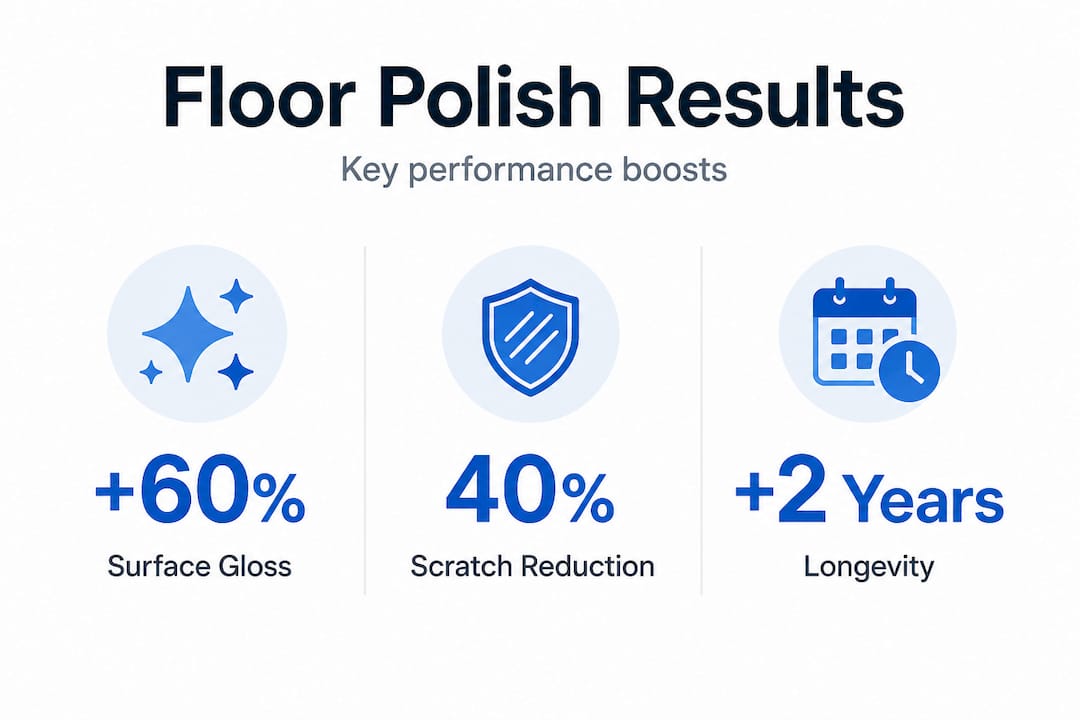
| Performance metric | Worn finish | After screen and recoat |
|---|---|---|
| Surface gloss (%) | 15 to 25% | 60 to 80% |
| Moisture resistance | Compromised | Fully restored |
| Scratch resistance | Low | High |
| Estimated remaining life | 2 to 4 years | 6 to 10 years |
| Sand/dust protection | Minimal | Strong |
One critical rule applies here: avoid wax or acrylic polish on polyurethane finishes at all costs. These products sit on top of the surface and create a layer that blocks adhesion. If a screen and recoat is attempted over a wax layer, the new coating will peel within weeks. This is also why it’s so important to maintain clean records of what products have been applied to your floor over the years.
Pro Tip: If you’re unsure whether your floor has ever had wax applied, do a simple water drop test. Place a few drops of water on an inconspicuous area. If they bead up and sit on top, your finish is likely intact. If they absorb quickly or leave a dark spot, moisture is already getting in and professional inspection is urgent.
Sustainable floor care matters in Dubai too. Using eco-friendly floor care products during routine maintenance means less chemical buildup between professional visits, which makes the screen and recoat process cleaner and more effective. Our maintenance tips for Dubai homes and restoring floor durability resources go deeper into how to extend the results of each professional service.
Avoiding common pitfalls: Maintenance and product selection
Knowing the best processes, it’s equally important to identify and steer clear of common mistakes and ensure proper maintenance.
Even after a professional polish, what you do between visits determines how long the results last. Dubai homes face a specific set of daily challenges that require a consistent, informed routine.
Mistakes to avoid with engineered wood floors:
-
Using vinegar or citrus-based cleaners (acidic pH breaks down polyurethane)
-
Leaving spills on the floor longer than 30 seconds
-
Placing plant pots directly on the floor without waterproof saucers
-
Using rubber-backed rugs that trap moisture against the floor surface
-
Running humidifiers without monitoring room humidity (target 40 to 55 percent)
-
Skipping doormats at entrances, which is the single biggest source of sand abrasion
Using pH-neutral cleaners prevents delamination and keeps the finish intact between professional visits. In Dubai, where sand is essentially unavoidable, the right cleaner makes a real difference because you’re cleaning more often than homeowners in other climates.
For most Dubai apartments and villas, a professional polish every 12 to 18 months is the right cadence. High-traffic homes with young children, pets, or domestic staff moving furniture regularly should consider every 10 to 12 months. The goal is always to stay ahead of visible wear rather than react to it after damage has already occurred.
Pro Tip: Schedule a professional floor assessment every year, even in years when full polishing isn’t needed. A technician can catch early signs of delamination, finish wear, or moisture intrusion before they become expensive repairs.
If your floors are already looking flat and lifeless, explore the dull floors causes and fix guide to understand whether you need a simple polish or something more involved. For high-end properties, our professional floor care Dubai services are specifically designed for luxury villas and apartments where finish quality is non-negotiable.
What most guides miss about engineered wood care in Dubai
Most articles on engineered wood maintenance were written with temperate climates in mind. They give advice calibrated for homes in Europe or North America where humidity is relatively stable, sand is not a daily visitor, and floors might get moderate foot traffic at best. That advice, applied in Dubai, often falls short or actively leads homeowners astray.
Here’s the real-world truth we’ve learned working on floors across Dubai’s villas and apartments: the biggest threat to engineered wood here isn’t wear. It’s neglect compounded by the wrong products. Homeowners who follow generic online advice, using steam mops, vinegar cleaners, or budget polish from a hypermarket, accelerate the exact damage they’re trying to prevent. They see their floors aging faster than expected and assume it’s a product quality issue. Usually, it’s a maintenance approach issue.
The second thing most guides miss is the psychological barrier around professional services. Many homeowners assume DIY is “good enough” until they’re facing full board replacement. The economics here are straightforward: a professional screen and recoat costs a fraction of replacing engineered wood boards in a 2,000 sq ft villa. Certified expertise isn’t an added expense. It’s what prevents the large expense down the line.
Combining professional visits with a disciplined daily routine, pH-neutral products, doormat discipline, and humidity control, is what actually keeps engineered floors looking elegant year after year. One without the other always leaves results on the table.
Professional polishing services in Dubai: Your next step
Now, with all the necessary expertise and tips in hand, here’s how you can connect with Dubai’s best floor polishing solutions.
At Floor Polishing Dubai, we specialize in engineered wood polishing and restoration using certified techniques that protect your veneer, restore your finish, and keep your floors looking sharp in Dubai’s demanding environment. Our team works across villas and apartments throughout the city, bringing professional-grade equipment and finish-specific products to every job. Whether you need a routine screen and recoat, a full restoration after visible damage, or expert advice on the right care routine for your specific floor, we have the tools and experience to deliver results that last. Explore our wooden floor polishing Dubai service page or follow our polishing guide for Dubai homes to understand exactly what your floor needs before you make any decisions.
Frequently asked questions
What is the best way to polish engineered wood floors in Dubai?
Professional screen/recoat using pH-neutral cleaners and certified techniques is the best approach for Dubai homes, as it restores protection without risking veneer damage. Certified technicians consistently outperform DIY methods, especially in high-traffic villas.
Can I use wax or acrylic polish on my engineered wood floor?
No. Wax and acrylic polishes block adhesion on polyurethane finishes and prevent future recoating, often causing peeling or cloudiness that requires complete stripping to fix.
How often should engineered wood floors be polished in Dubai?
Most Dubai homes benefit from professional polishing every 12 to 18 months, with high-traffic homes requiring service closer to every 10 to 12 months to stay ahead of visible wear.
What are the signs my engineered wood floor needs restoration?
Persistent dullness, visible surface scratches, or any soft or raised sections are warning signs. Dull finishes and delamination both indicate the floor needs professional attention rather than routine cleaning.
Is Dubai’s climate hard on engineered wood flooring?
Yes, significantly. Sand and dust accelerate surface wear faster than in most other environments, and humidity fluctuations between air-conditioned interiors and outdoor heat stress the floor’s layered structure throughout the year.