

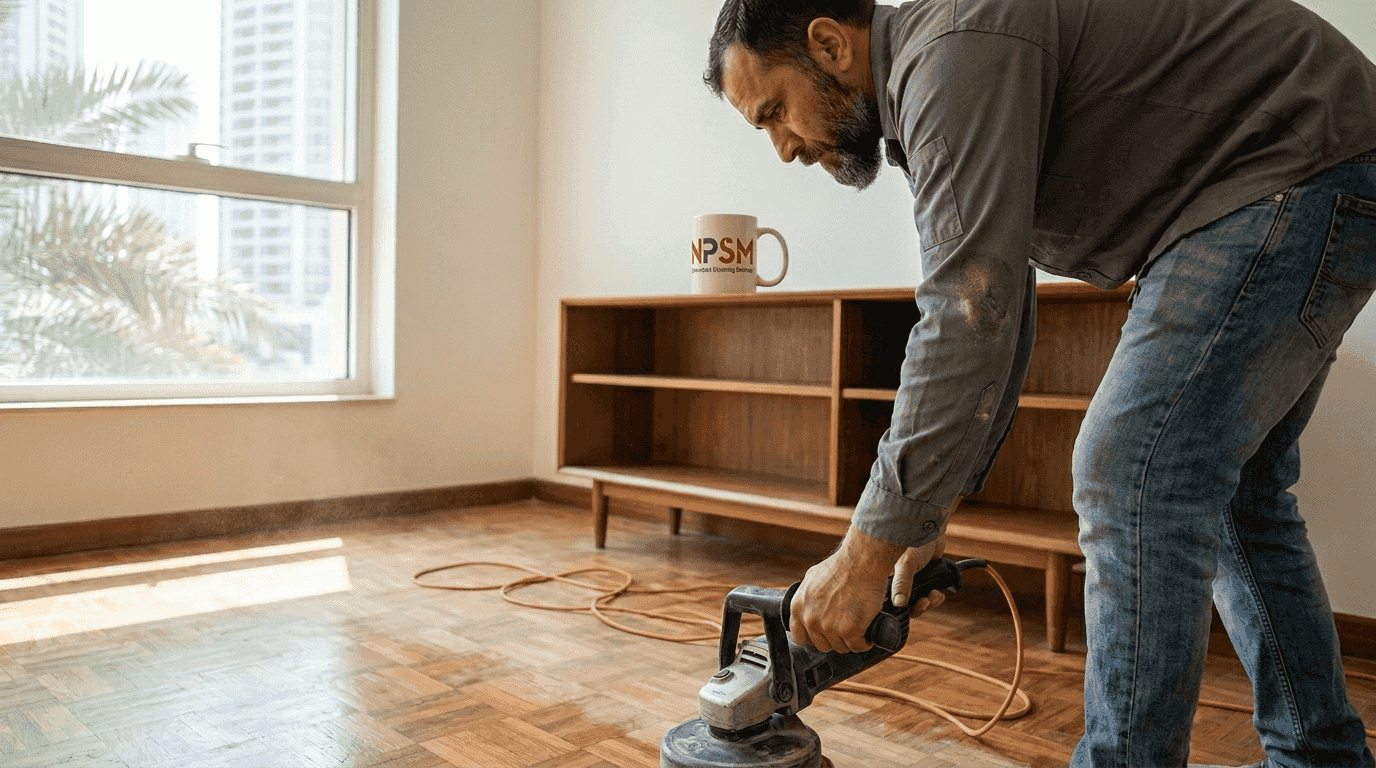

Many Dubai homeowners mistakenly believe sanding and polishing are interchangeable terms for wooden floor care. This confusion can lead to choosing the wrong service, resulting in unnecessary costs or subpar results. Understanding the fundamental differences between these two methods is essential for maintaining your wooden floors’ beauty and longevity. Sanding removes surface layers to restore heavily damaged wood, while polishing enhances existing finishes for well-maintained floors. This guide will help you determine which approach your Dubai home needs based on floor condition, budget, and aesthetic goals.
Table of Contents
- Understanding Wooden Floor Sanding: Process, Benefits, And When To Choose It
- Exploring Wooden Floor Polishing: Benefits, Methods, And Ideal Conditions
- Key Differences Between Sanding And Polishing For Dubai Wooden Floors
- How To Decide Between Sanding And Polishing For Your Dubai Home
- Enhance Your Dubai Wooden Floors With Expert Sanding And Polishing Services
Key takeaways
| Point | Details |
|---|---|
| Sanding removes surface wood | This process eliminates deep scratches, stains, and old finishes by stripping away the top layer. |
| Polishing enhances existing finish | Polishing restores shine and adds protective layers without removing wood material. |
| Choice depends on floor condition | Heavily damaged floors need sanding, while well-maintained floors benefit from polishing. |
| Cost and time vary significantly | Sanding requires more investment and days of work, while polishing is quicker and more affordable. |
| Maintenance frequency differs | Polishing is recommended every 1 to 2 years, sanding only when floors show severe wear. |
Understanding wooden floor sanding: process, benefits, and when to choose it
Wooden floor sanding is a comprehensive restoration technique that addresses serious floor damage. Sanding involves removing the top layer of wood to eliminate deep scratches, stains, and wear. This process exposes fresh wood underneath, creating a smooth canvas for refinishing. For Dubai homeowners dealing with decades-old floors or extensive damage from furniture moves and water exposure, sanding offers a complete renewal solution.
The sanding process follows a systematic approach. Professionals start with coarse-grit sandpaper to remove the damaged surface layer and old finish. They progressively move to finer grits, smoothing the wood until it feels silky to touch. This multi-stage method ensures an even surface without visible scratches or ridges. The final step involves applying protective finishes like polyurethane or oil to seal and protect the newly exposed wood.
Sanding proves ideal in specific situations. Floors with deep gouges that penetrate beyond the surface finish require this intensive treatment. Discoloration from sun exposure or water damage often cannot be buffed away with polishing alone. If your wooden floor has an outdated or heavily worn finish that peels or flakes, sanding provides the only effective solution. Additionally, homeowners wanting to change their floor color or finish type must sand first to remove existing treatments.
The benefits extend beyond aesthetics. Sanding restores structural integrity by removing warped or uneven wood layers. It eliminates embedded dirt and allergens trapped in damaged wood fibers. Your floor gains years of additional lifespan through proper wooden floor restoration techniques. The fresh finish applied after sanding offers superior protection against Dubai’s humidity and temperature fluctuations.
Key situations requiring sanding:
- Floors with scratches deeper than the finish layer
- Widespread discoloration or staining throughout the room
- Peeling, flaking, or severely worn existing finishes
- Desire to change floor color or switch finish types
- Uneven surfaces causing tripping hazards
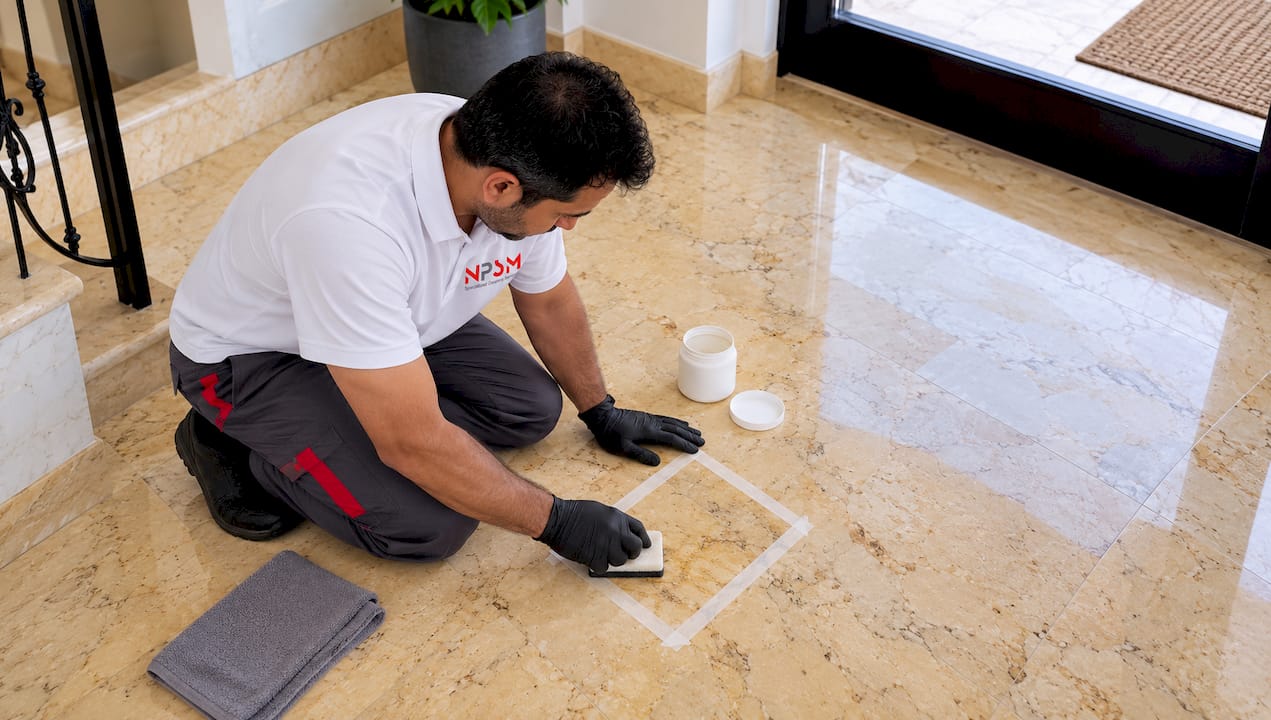
Pro Tip: Request a test sanding in an inconspicuous area before committing to full-floor treatment. This reveals the wood’s true color and condition, helping you visualize the final result and catch potential issues early.
Exploring wooden floor polishing: benefits, methods, and ideal conditions
Wooden floor polishing takes a gentler approach to floor maintenance. Polishing enhances the floor’s existing finish and provides a glossy, protective layer without removing wood. This surface treatment works wonders for floors in good structural condition that simply need aesthetic refreshment. Dubai homeowners with newer floors or those who maintain regular care schedules find polishing delivers impressive results at lower cost and disruption.
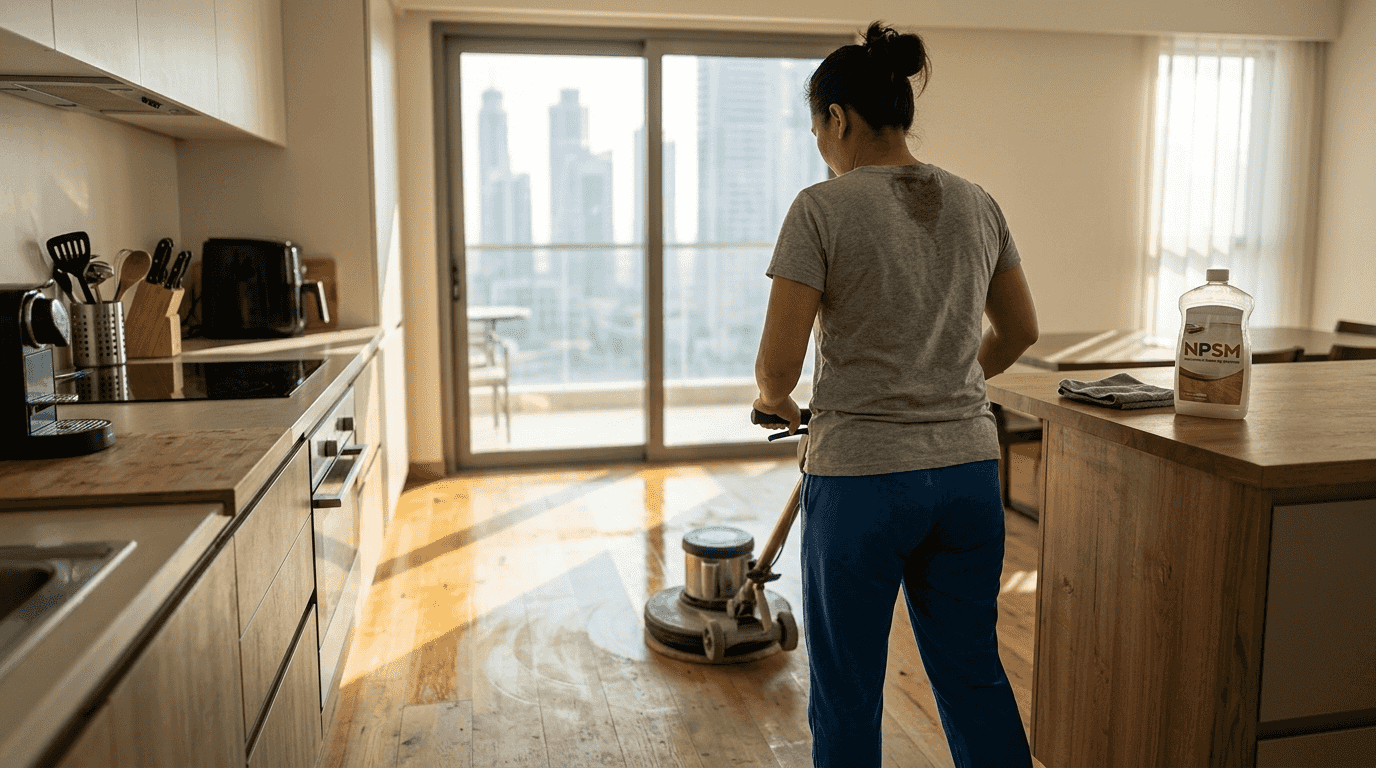
Two primary polishing methods serve different needs. Chemical polishing uses specialized compounds that react with existing finishes to restore shine and fill minor surface imperfections. This approach works quickly and requires minimal equipment. Mechanical buffing employs rotating pads with polishing agents to smooth the surface and build up protective layers. Professional services often combine both methods for optimal results, customizing the approach based on your floor’s specific finish type and condition.
Polishing excels when floors show minor wear patterns. Light surface scratches that haven’t penetrated the finish layer disappear under fresh polish. Dullness from foot traffic and cleaning products vanishes as new shine emerges. The protective layer created by wooden floor polishing services guards against future damage, making daily maintenance easier. Your floors resist water spots, scuff marks, and the gradual dulling that occurs in Dubai’s climate.
Timing matters for polishing effectiveness. Floors maintained with regular polishing rarely need sanding, saving thousands of dirhams over decades of ownership. The process typically completes in hours rather than days, allowing you to use rooms the same day. No dust clouds fill your home, and no strong chemical odors linger. For busy Dubai families, this minimal disruption makes polishing an attractive maintenance option.
Ideal conditions for polishing:
- Floors with intact, undamaged finish layers
- Minor surface scratches visible only in certain lighting
- Dullness from regular use without deep damage
- Recent sanding requiring periodic maintenance
- Desire to extend time between major restorations
Pro Tip: Schedule polishing during Dubai’s cooler months when humidity levels drop. Lower moisture content allows polish to cure properly, delivering longer-lasting shine and protection that withstands daily use.
Key differences between sanding and polishing for Dubai wooden floors
Understanding the practical differences between these methods helps you make informed decisions. Cost represents the most immediate consideration. Sanding typically ranges from 25 to 40 dirhams per square meter in Dubai, plus refinishing costs that add another 15 to 25 dirhams per square meter. Equipment rental, multiple finish coats, and extensive labor drive these expenses. Polishing costs significantly less, usually 10 to 20 dirhams per square meter, making it accessible for regular maintenance budgets.
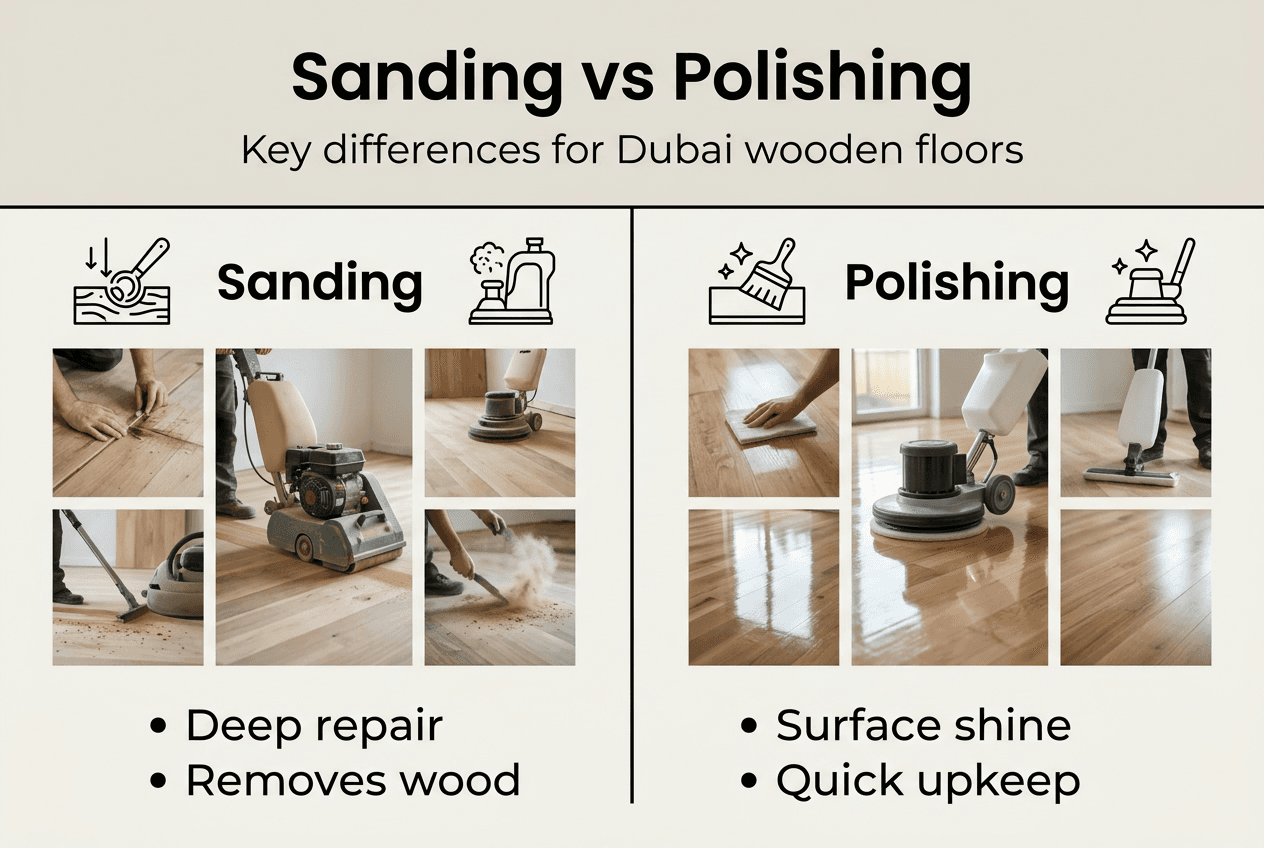
Time investment varies dramatically. Sanding is more costly and time-consuming but allows full restoration, while polishing is affordable and quick for maintenance. A typical Dubai villa’s wooden flooring requires three to five days for complete sanding and refinishing. You must vacate rooms during this period and wait additional days for finish curing. Polishing usually completes in four to eight hours, with floors ready for light use immediately and full use within 24 hours.
The impact on floor lifespan differs fundamentally. Sanding removes wood material, meaning floors can only withstand a limited number of sandings before becoming too thin. Most wooden floors tolerate five to seven sandings over their lifetime. Polishing preserves wood thickness while maintaining appearance, allowing unlimited applications. This preservation aspect makes polishing crucial for extending time between sandings and maximizing your floor’s total lifespan.
| Criteria | Sanding | Polishing |
|---|---|---|
| Cost per sqm | 40 to 65 AED | 10 to 20 AED |
| Time required | 3 to 5 days | 4 to 8 hours |
| Floor downtime | 5 to 7 days | 1 day |
| Wood removal | Yes, permanent | None |
| Damage addressed | Deep scratches, stains | Surface dullness, minor marks |
| Frequency recommended | Every 7 to 10 years | Every 1 to 2 years |
| Finish options | Complete customization | Limited to existing finish |
Durability outcomes also contrast sharply. Freshly sanded and refinished floors withstand heavy use for seven to ten years before requiring another sanding. The new finish layer provides maximum protection against scratches, moisture, and wear. Polished floors maintain their enhanced appearance for one to two years depending on traffic levels and maintenance practices. However, regular polishing between sandings keeps floors looking excellent and prevents damage that would necessitate premature sanding.
Decision factors to weigh:
- Current floor condition and damage severity
- Available budget for floor maintenance
- Timeline and tolerance for home disruption
- Desired aesthetic outcome and finish type
- Long-term maintenance commitment level
Maintenance frequency planning prevents costly mistakes. Attempting to polish severely damaged floors wastes money without addressing underlying problems. Conversely, sanding floors that only need polishing removes precious wood unnecessarily and shortens overall floor lifespan. The chemical floor polishing guide helps Dubai homeowners understand when each approach makes sense.
How to decide between sanding and polishing for your Dubai home
Making the right choice requires systematic evaluation of your floors’ current state. Start by examining floor condition in bright, natural light. Run your hand across the surface feeling for roughness, splinters, or raised grain. Check multiple areas since damage often concentrates in high-traffic zones while other sections remain pristine. Look for finish integrity by observing whether the protective layer appears intact or shows peeling, flaking, or bare wood patches.
Damage depth determines your path forward. Surface scratches visible only at certain angles typically respond well to polishing. If you can catch your fingernail in a scratch, it likely penetrates the finish and requires sanding. Water stains that have darkened the wood itself rather than just the surface finish need sanding to remove. Widespread discoloration across large floor sections indicates finish failure that polishing cannot remedy.
Dubai’s climate introduces unique considerations. High humidity during summer months can cause wood expansion that stresses existing finishes. If your floors show seasonal cracking or gaps, addressing these structural issues before choosing sanding or polishing prevents recurring problems. Temperature fluctuations between air-conditioned interiors and outdoor heat accelerate finish degradation. Regular wooden floor maintenance tips help you stay ahead of climate-related damage.
Step-by-step decision process:
- Assess damage depth by testing scratch visibility and feel across all floor areas.
- Evaluate finish condition by checking for peeling, discoloration, or bare wood exposure.
- Consider traffic patterns and identify high-wear zones requiring extra attention.
- Review maintenance history to determine time since last professional treatment.
- Calculate budget availability for immediate work and ongoing maintenance.
- Consult professionals for expert assessment and customized recommendations.
Lifestyle factors influence the optimal choice. Families with young children and pets experience faster floor wear, making regular polishing essential for maintaining appearance between sandings. If you host frequent gatherings or run a home business with client visits, pristine floors justify more aggressive maintenance. Conversely, low-traffic guest rooms or secondary living spaces often thrive with minimal intervention.
Budget planning extends beyond immediate costs. Investing in sanding now might eliminate the need for emergency repairs later if damage worsens. However, if funds are tight, strategic polishing of visible areas while saving for comprehensive sanding makes practical sense. Many Dubai homeowners adopt a hybrid approach, sanding main living areas while polishing bedrooms and less-used spaces.
Pro Tip: Maintain a detailed floor care log documenting all sanding, polishing, and daily maintenance activities. This record reveals patterns in wear rates, helps schedule preventive treatments, and provides valuable information when consulting professionals about your floor’s needs.
Professional consultation removes guesswork. Experienced technicians spot issues invisible to untrained eyes. They measure finish thickness, test wood hardness, and assess subfloor conditions that affect treatment success. Many Dubai floor care companies offer free inspections, providing expert opinions without financial commitment. This professional input helps you avoid costly mistakes and ensures your chosen method delivers expected results.
Enhance your Dubai wooden floors with expert sanding and polishing services
Your wooden floors deserve professional care that maximizes beauty and longevity. Whether your home needs comprehensive restoration through sanding or maintenance polishing to preserve existing finishes, expert services deliver superior results. Certified technicians understand Dubai’s unique climate challenges and use advanced techniques suited for local conditions. They assess your specific floor type, damage patterns, and aesthetic preferences to recommend the optimal treatment approach.
Professional floor polishing service Dubai providers offer comprehensive solutions beyond basic cleaning. They handle everything from initial assessment through final finish application, ensuring consistent quality throughout your home. Specialized equipment produces results impossible to achieve with consumer-grade tools. Experienced teams complete work efficiently, minimizing disruption to your daily routine while delivering showroom-quality outcomes.
Customized service packages address diverse homeowner needs. Maintenance plans combine periodic polishing with protective treatments that extend floor lifespan. Restoration projects tackle severely damaged floors, bringing them back to original beauty. Many companies offer flexible scheduling around your availability, including evening and weekend appointments. Transparent pricing and detailed quotes eliminate surprise costs, helping you budget confidently for floor care investments.
Booking a consultation provides clarity on your floor care options. Professionals explain the condition of your floors in understandable terms, recommend appropriate treatments, and answer questions about maintenance practices. They can demonstrate different finish options, helping you visualize potential outcomes. This expert guidance ensures you choose services aligned with your goals, budget, and timeline. Contact wooden floor polishing services or wooden floor restoration services to schedule your assessment today.
FAQ
Is sanding or polishing better for minor scratches on wooden floors?
Polishing effectively addresses minor surface scratches that haven’t penetrated through the finish layer. The polishing compounds fill these shallow imperfections while restoring overall shine. Sanding becomes necessary only when scratches cut into the wood itself, requiring material removal to achieve a smooth surface. For most light scratches visible only in certain lighting conditions, polishing provides excellent results at lower cost.
How often should wooden floors in Dubai be polished to maintain shine?
Most Dubai homes benefit from professional polishing every 12 to 24 months depending on traffic levels and use patterns. High-traffic areas like entryways and living rooms may need annual attention, while bedrooms and offices can extend to two years. Dubai’s climate accelerates finish degradation, making regular polishing more important than in temperate regions. Professional assessment customizes frequency recommendations based on your specific floor condition and household activity levels.
Can sanding damage my wooden floors if done improperly?
Improper sanding causes serious, often irreversible damage to wooden floors. Inexperienced operators create uneven surfaces with visible dips and ridges that feel uncomfortable underfoot. Aggressive sanding removes too much wood, thinning floors beyond safe limits and reducing their remaining lifespan. Wrong sandpaper grits leave deep scratches that show through finish coats. Always hire experienced professionals with proven track records and proper equipment to avoid these costly mistakes that may require complete floor replacement.
What is the cost difference between sanding and polishing services in Dubai?
Sanding typically costs 40 to 65 dirhams per square meter including refinishing, while polishing ranges from 10 to 20 dirhams per square meter. The price gap reflects sanding’s extensive labor requirements, multiple process stages, and materials needed for complete restoration. Polishing’s lower cost makes it accessible for regular maintenance budgets. However, polishing requires more frequent application every one to two years, whereas sanding lasts seven to ten years. Calculate total costs over time when comparing these options for your specific situation.
Permalink