
TL;DR:
High-traffic floor care involves deep cleaning, restoration, and protective treatments beyond routine cleaning.
Dubai’s climate accelerates floor damage due to sand abrasion, humidity, and temperature fluctuations.
Regular professional maintenance extends floor life, prevents costly restorations, and preserves property value.
Most property owners in Dubai believe that regular mopping and sweeping keeps their floors in good shape. That assumption is costing them thousands of dirhams every year. High foot traffic does far more damage than surface dirt alone, and by the time cracks, stains, or dull patches become obvious, the restoration bill is already climbing. Whether you manage a busy apartment building, a commercial lobby, or a luxury villa with heavy daily use, this guide will walk you through exactly what high-traffic floor care means, what makes it so critical in Dubai, and how to stay ahead of damage before it escalates.
Table of Contents
-
Key challenges of floor care in Dubai’s high-traffic environments
-
Core strategies for effective high-traffic floor maintenance
-
Why proactive floor care beats costly restoration every time
-
Discover Dubai’s trusted high-traffic floor care specialists
Key Takeaways
| Point | Details |
|---|---|
| High-traffic care defined | Specialized floor care is essential for areas with heavy use in Dubai’s properties. |
| Understand Dubai’s unique challenges | Local climate and foot traffic require tailored maintenance for lasting beauty and safety. |
| Proactive beats reactive | Regular professional care extends floor life and prevents costly restoration. |
| Recognize warning signs | Identifying damage early helps you act before major repairs are needed. |
What is high-traffic floor care?
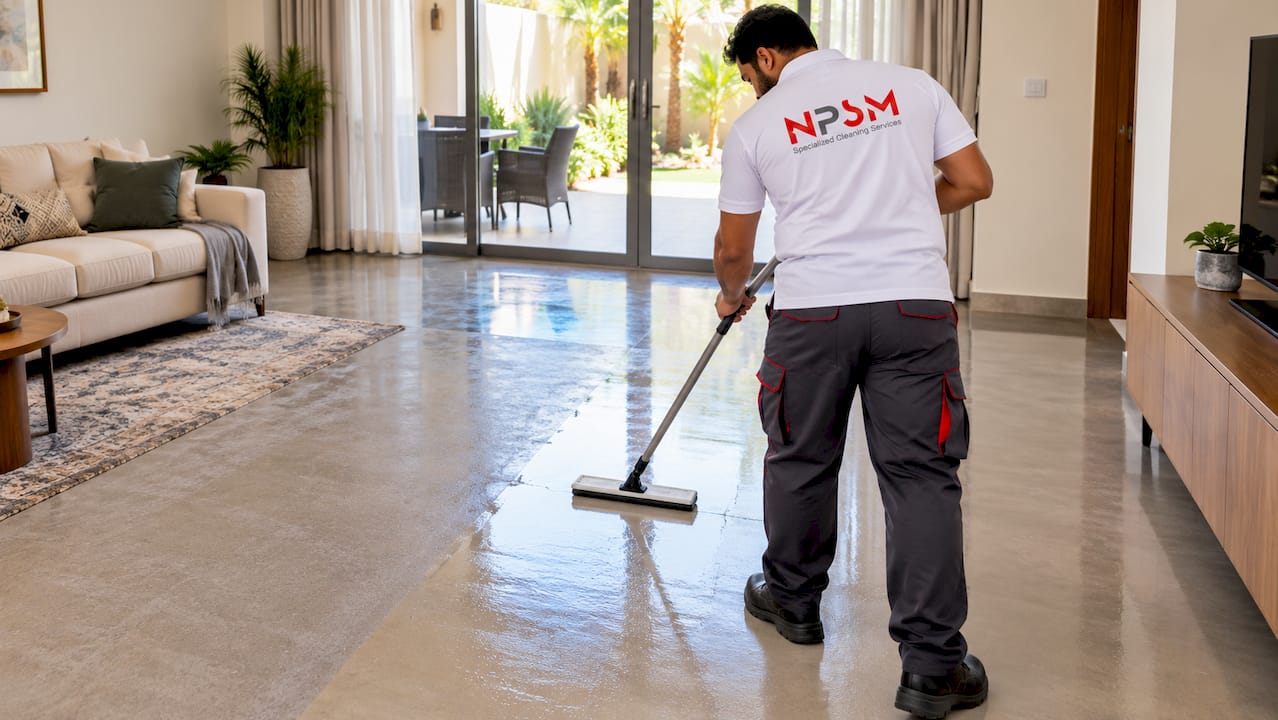
High-traffic floor care is a specialized approach to maintaining surfaces that experience constant, heavy daily use. We’re talking about hotel lobbies, retail stores, apartment corridors, office reception areas, and even residential kitchens and entryways. These are spaces where dozens, hundreds, or even thousands of footsteps cross every single day.
This is fundamentally different from basic cleaning. Routine mopping removes visible dirt. High-traffic floor care goes deeper. It includes restorative treatments, surface protection, deep cleaning cycles, and periodic professional intervention that routine housekeeping simply cannot replicate. As the team at Dubai luxury floor care points out, frequent cleaning alone is not enough to preserve floor quality in high-use areas.
Here’s why that matters. In high-traffic zones, dirt and grit don’t just sit on top of the floor. They get ground into the surface with each footstep, acting like sandpaper on marble, wood, vinyl, or tile. The finish erodes. Grout darkens. Scratches accumulate. The floor loses its protective layer, which means stains penetrate more easily and structural damage becomes more likely.
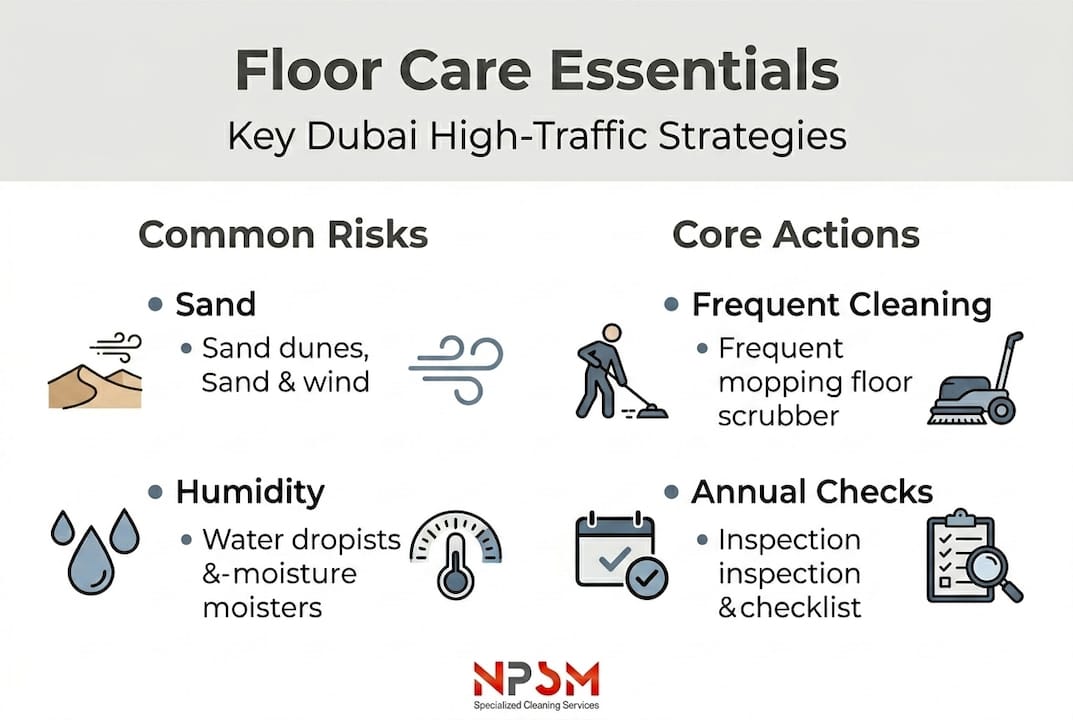
Dubai adds another layer of complexity to this picture. The city’s climate pushes floors harder than almost anywhere else:
-
Sand and dust blow in constantly, acting as an abrasive on every surface
-
Humidity fluctuations caused by air conditioning versus outdoor heat stress materials like wood and natural stone
-
Temperature swings between indoor-cooled spaces and outdoor heat cause expansion and contraction in flooring materials
-
High footfall in commercial spaces concentrates wear patterns in specific zones
“High-traffic floor care isn’t about cleaning more often. It’s about treating your floor as an asset that requires scheduled professional attention, not just daily upkeep.”
For property owners in Dubai, recognizing this distinction early is the difference between a floor that stays beautiful for decades and one that needs full replacement in five years.
Key challenges of floor care in Dubai’s high-traffic environments
Dubai’s environment creates conditions that accelerate floor wear faster than most property owners expect. The biggest culprit is sand. Fine desert sand particles are silica-based and genuinely abrasive. Every time someone walks across a lobby or corridor after coming in from outside, they drag sand across the floor surface. On marble, this causes micro-scratches that dull the shine. On wood, it strips the finish layer. On vinyl and tile, it grinds into grout lines and surface texture.
The sand, humidity, and heat common across Dubai properties are leading contributors to floor damage across all surface types.
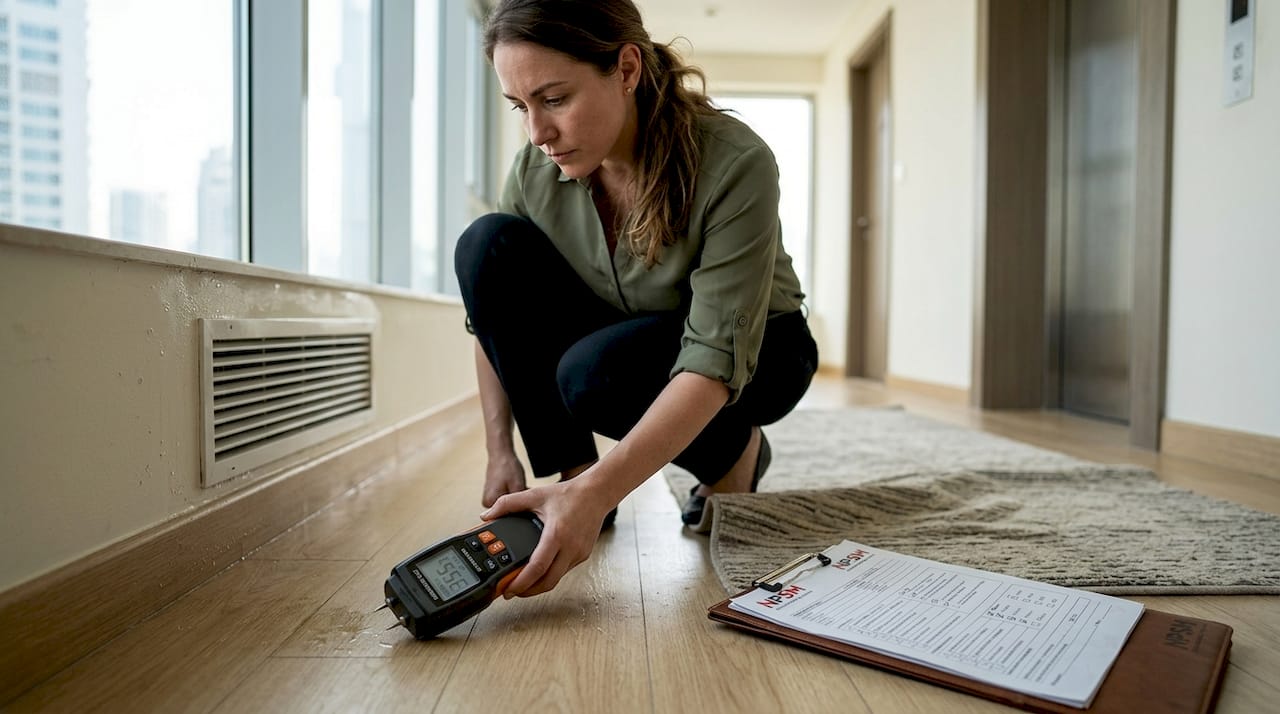
Humidity is the second major challenge. Dubai’s outdoor humidity can spike significantly, especially in summer. Meanwhile, most properties run heavy air conditioning indoors. This constant shift between moisture-rich outdoor air and dry conditioned indoor air causes materials to expand and contract repeatedly. For wooden floors, this leads to warping and gap formation. For natural stone like marble or granite, it can open micro-cracks over time.
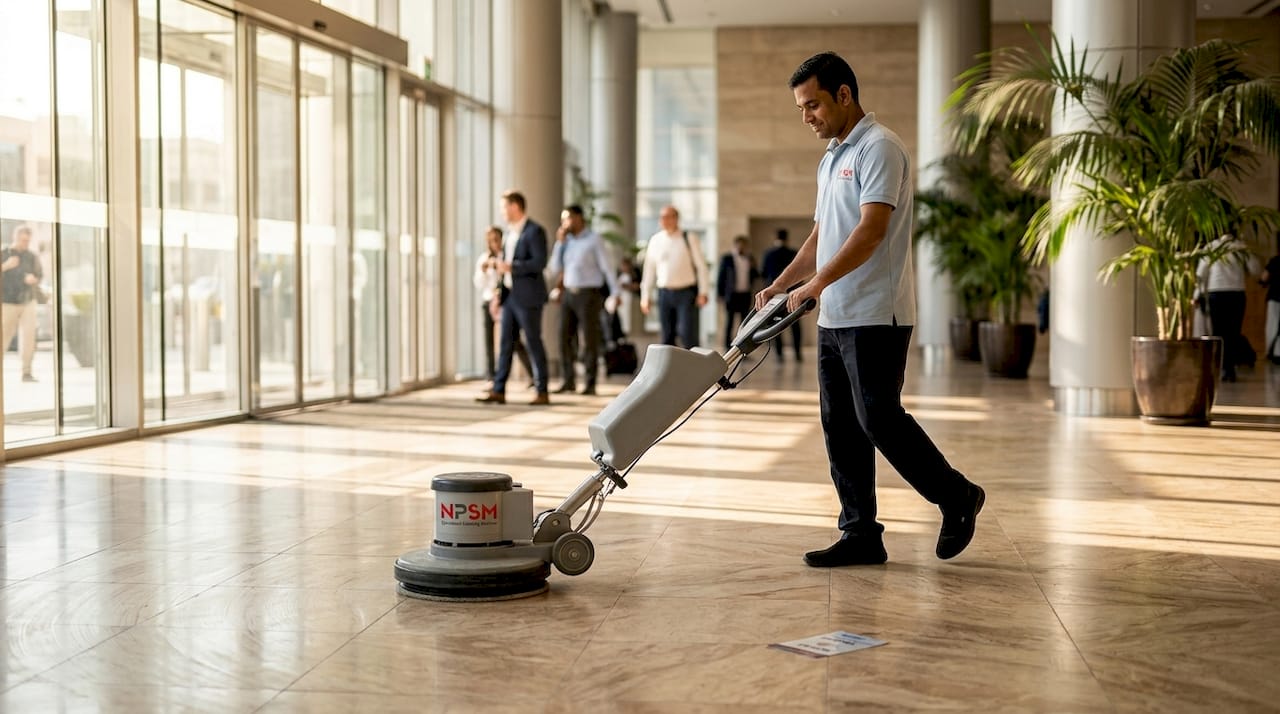
Then there’s footfall intensity. Residential properties experience wear from bare feet, slippers, and shoes. Commercial properties face an entirely different challenge: foot traffic from hundreds of people, delivery carts, cleaning equipment, and furniture movement. The wear patterns are concentrated, meaning specific areas degrade far faster than others. If you’re managing vinyl floors in a busy commercial setting, the degradation rate is dramatically higher than in a quiet residential home.
Here’s a quick comparison of how different floor types hold up under traffic pressure:
| Floor type | Vulnerability to traffic | Key risk in Dubai’s climate | Maintenance frequency |
|---|---|---|---|
| Marble | High (scratches, dullness) | Sand abrasion, humidity staining | Every 6 months |
| Hardwood | Very high (warping, finish loss) | Humidity and heat expansion | Every 6-12 months |
| Vinyl | Medium (surface wear, joint lifting) | Heat-related lifting, adhesive failure | Every 12 months |
| Ceramic tile | Medium (grout degradation) | Sand in grout lines, cracking | Every 12 months |
| Granite | Low-medium (surface dulling) | Sand micro-abrasion | Every 12 months |
Understanding which floor type you have and where it’s most at risk is the starting point for any solid maintenance plan.
Core strategies for effective high-traffic floor maintenance
Once you understand the challenges, the next step is building a maintenance approach that actually works. Here’s a framework that we recommend for Dubai property owners managing busy spaces.
-
Set up dust and sand barriers at every entry point. Place commercial-grade mats at all entrances. These catch the abrasive sand particles before they reach your floor surface. Replace or clean mats regularly because a saturated mat does nothing.
-
Establish a cleaning schedule by zone and frequency. High-traffic zones need daily cleaning with the right product for the floor type. Never use a one-size-fits-all cleaner across marble, wood, and tile, since each material reacts differently to pH levels and chemical compounds.
-
Use material-specific tools. Microfiber mops for polished stone, soft-bristle attachments for hardwood, non-abrasive pads for vinyl. The wrong tool can cause more damage than a dirty floor.
-
Schedule periodic deep cleaning. Beyond daily maintenance, plan a professional deep clean every 3-6 months depending on traffic volume. This removes embedded grime that regular cleaning cannot reach.
-
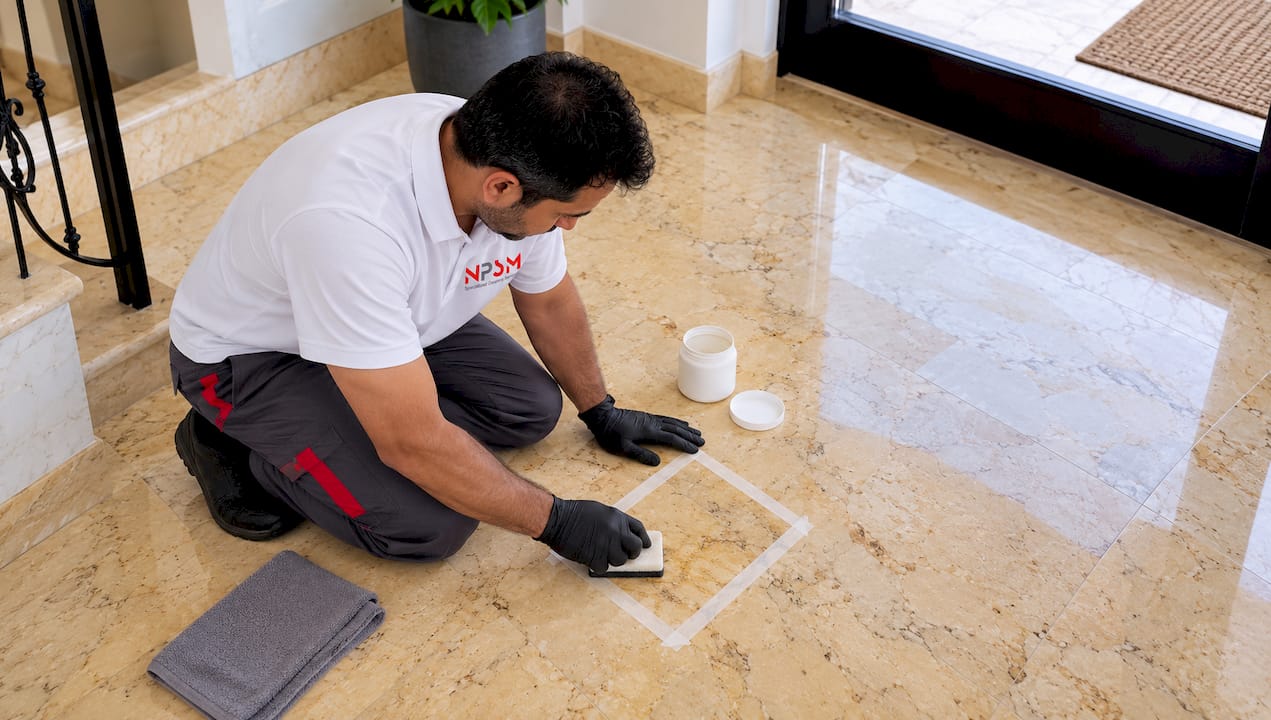
Invest in surface protection treatments. Sealers and protective coatings are not optional for high-traffic floors. They create a sacrificial layer that takes the wear instead of the floor material itself. Using professional floor polishing steps for your specific surface, combined with chemical polishing methods when appropriate, significantly reduces long-term wear.
The data on this is clear: professional-grade restoration can extend floor life by 30% or more when applied consistently.
Pro Tip: Pay special attention to transition zones, the areas between rooms, near elevator doors, and at staircase landings. These spots concentrate wear and are often overlooked. Apply protective treatments here first and check them monthly.
Signs your high-traffic floors need professional care
Even with strong daily maintenance, high-traffic floors will eventually show signs that routine care cannot fix. Knowing these warning signs early saves you from far more expensive restoration work later.
Here’s what to look for across the most common floor types:
| Floor type | Warning signs | Suggested action |
|---|---|---|
| Marble | Dull patches, visible scratches, etching from spills | Diamond polishing, resealing |
| Hardwood | Worn finish, gray discoloration, warping | Sanding, refinishing |
| Vinyl | Lifted edges, surface cracks, permanent stains | Deep cleaning, section replacement |
| Ceramic tile | Stained grout, cracked tiles, uneven surface | Grout restoration, tile repair |
| Natural stone | Pitting, loss of reflectivity, surface roughness | Honing and polishing |
The three clearest signals that basic cleaning has stopped working are: persistent loss of shine that doesn’t return after cleaning, stains that won’t lift regardless of product, and visible scratches or surface roughness. As professionals note, dullness, scratches, and uneven surfaces are clear indicators that floors need professional intervention.
Delaying that call is where property owners lose money. A dull marble floor that needs polishing today could develop deep etching and structural micro-cracks within months. At that point, you’ve gone from a polishing job to a full restoration. The cost difference is significant.
For wooden floors specifically, wooden floor maintenance has its own set of indicators including a gray or cloudy appearance in the finish, visible grain exposure, and soft spots that suggest moisture damage beneath the surface.
When selecting a professional service, look for teams that assess your specific floor material, use the right equipment for the job, and offer a clear maintenance plan going forward. A good professional doesn’t just fix the problem. They help you prevent the next one.
Why proactive floor care beats costly restoration every time
Here’s the hard truth: the vast majority of floor damage we see in Dubai properties was preventable. Property owners call us when the damage is already significant, when the marble has gone gray, when the wood has warped, when the tile grout has turned permanently black. At that point, restoration is necessary but expensive.
The reactive approach has a real cost. Not just in money, but in safety risk. A dull, scratched floor is also a slip hazard. In a commercial property, that’s a liability issue.
Proactive maintenance is not a luxury. It’s the smarter financial decision. Regular maintenance is measurably more cost effective than intensive restoration for high-traffic properties. Scheduling annual consultations with a floor care professional, even when the floors look fine, catches early-stage wear before it becomes structural damage.
The restoration benefits are also about preserving property value in Dubai’s competitive real estate market. A well-maintained floor signals quality throughout a property.
Pro Tip: Book a professional floor assessment once a year, even if your floors look fine. Catching micro-damage early costs a fraction of what full restoration will run you six months later.
Discover Dubai’s trusted high-traffic floor care specialists
If your property sees serious daily foot traffic, it deserves a serious floor care plan. At floorpolishing.ae, we work with property owners across Dubai on everything from routine maintenance programs to full floor restoration. Whether your floors are marble, granite, hardwood, vinyl, tile, or natural stone, we bring the right methods and materials to every job. Explore our Dubai floor polishing services to see the full range of what we offer, or check out our floor polishing guide to understand the process before you commit. Reach out today for a free consultation and protect your investment before the damage shows.
Frequently asked questions
How often should I schedule high-traffic floor care in Dubai?
Schedule professional high-traffic floor care every 6 to 12 months, depending on usage intensity and Dubai’s climate factors. Properties with very heavy footfall, such as commercial lobbies, may benefit from more frequent professional polishing intervals.
What’s the difference between routine cleaning and high-traffic floor care?
Routine cleaning removes surface dirt, while high-traffic floor care includes deep cleaning, restoration, and protective treatments designed for busy areas. Specialized treatments beyond cleaning are what keep heavily used floors from degrading prematurely.
How can I tell if my floors need professional help?
Look for dullness that cleaning doesn’t restore, deep scratches, permanent stains, and uneven texture. These are reliable signs that expert care is needed rather than more routine upkeep.
Which floor types benefit most from high-traffic floor care?
Marble, wood, vinyl, and tile are the surfaces most affected by heavy use and most in need of regular professional attention. High-traffic care for these materials preserves both appearance and structural integrity over time.