
TL;DR:
- Eco-friendly floor polishing relies on natural, non-toxic products that restore shine while protecting the environment and indoor air quality. Proper techniques using pH-neutral cleaners, vinegar, baking soda, and minimal water ensure effective, sustainable results for wood, stone, and tile floors. Restoring existing flooring is generally more eco-conscious and cost-effective than replacement, with professional services available in Dubai.
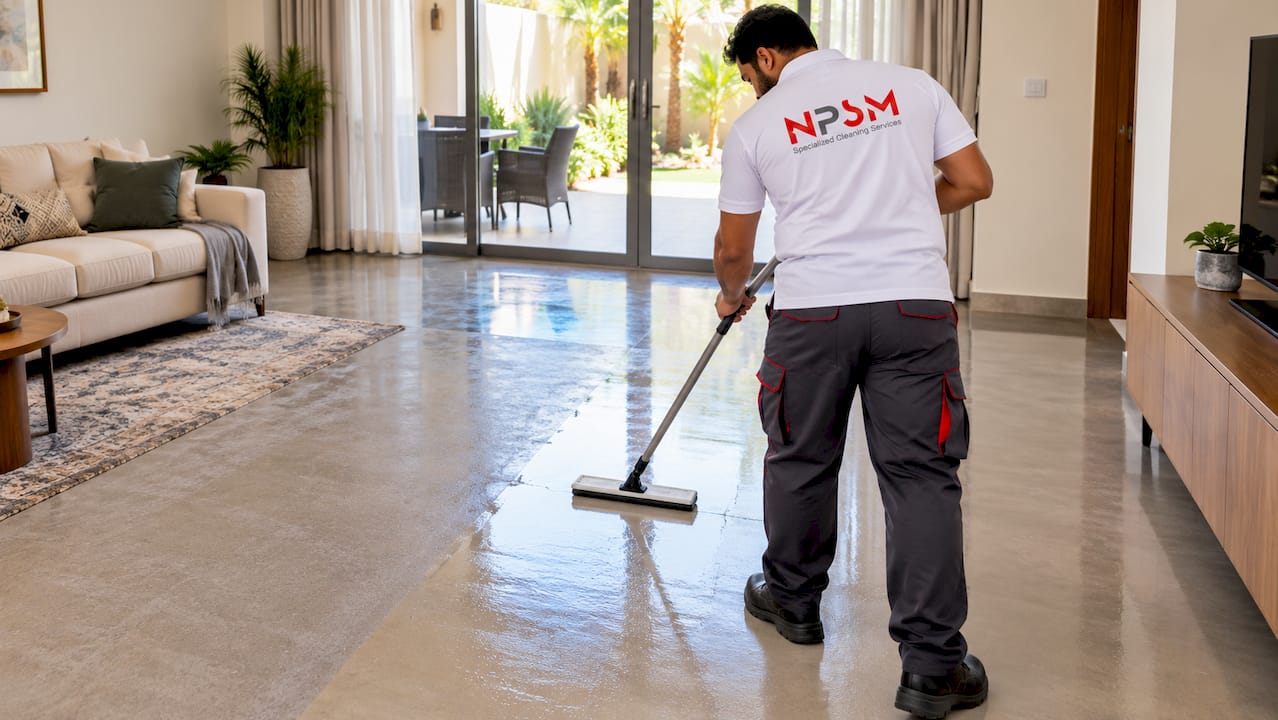
Eco-friendly floor polishing tips are methods that restore shine using natural, non-toxic products and minimal water to protect both your floors and the environment. Unlike conventional polishes loaded with volatile organic compounds (VOCs), green polishing methods rely on ingredients like vinegar, baking soda, and pH-neutral cleaners that leave no harmful residue. Industry guidance as of mid-2026 establishes pH-neutral cleaners as the gold standard for sealed wood, tile, and laminate floors. NPSM Specialized Cleaning Services LLC applies these same principles across residential and commercial projects in Dubai, proving that sustainable floor care delivers real, lasting results.
1. Top eco-friendly floor polishing tips for wood floors
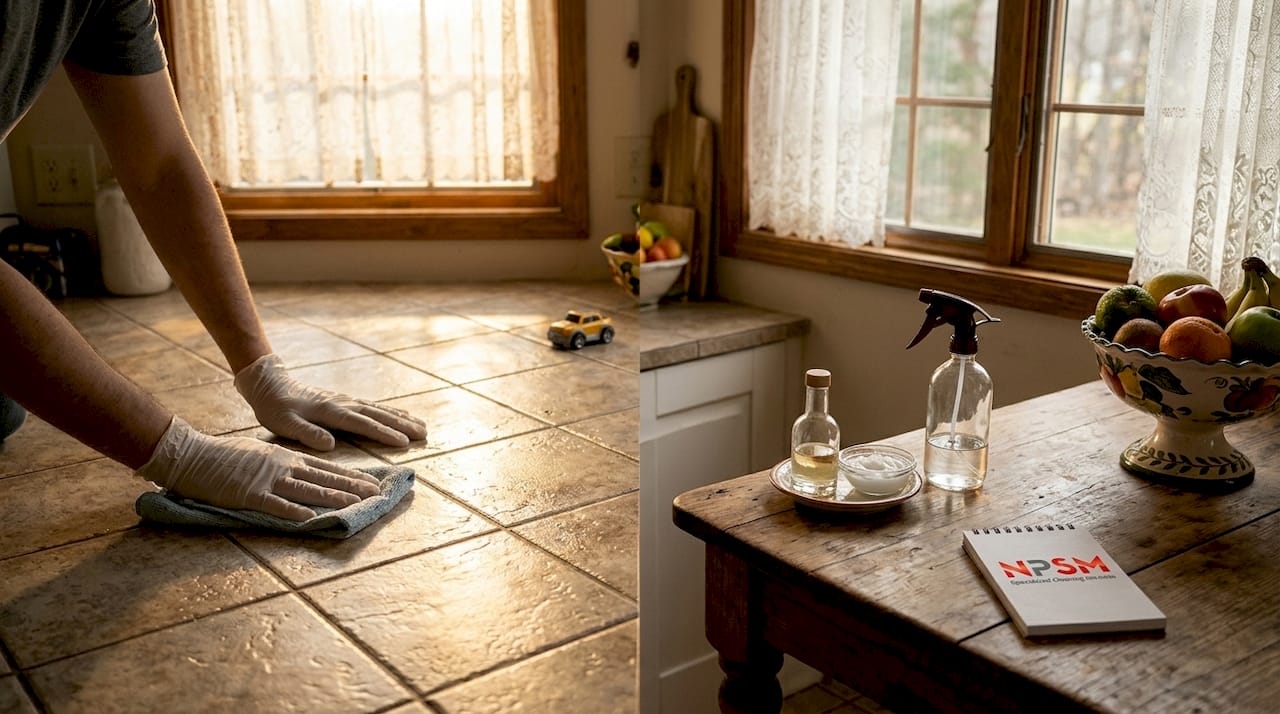
Natural wood floor polishing starts with the right mix. A solution of white vinegar and a small amount of olive oil is an effective natural polish for wood floors when applied with proper buffing technique. The vinegar cuts through grime while the olive oil conditions the wood grain and restores a soft sheen.
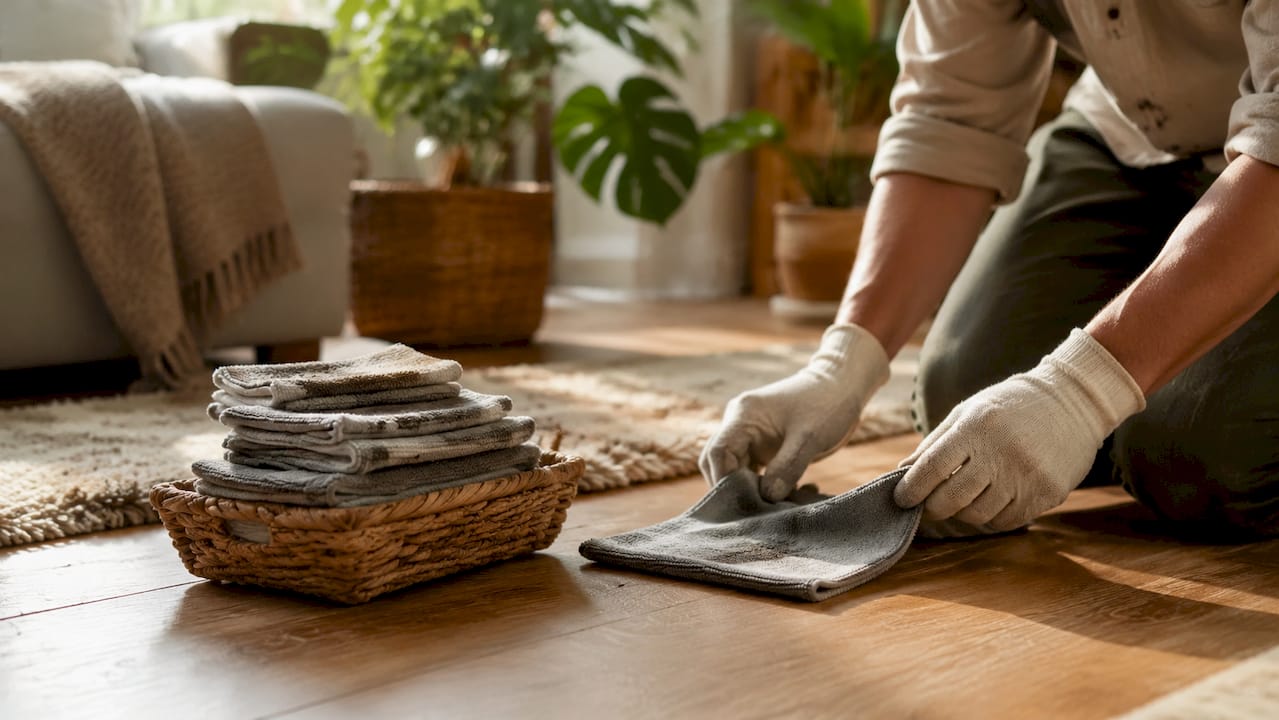
Apply the mix sparingly with a clean microfiber cloth. Work in the direction of the wood grain using firm, circular motions. This hand-buffing approach brings out the natural luster without any chemical finish.
-
Use a barely damp microfiber mop, never a soaking wet one
-
Apply the vinegar-olive oil mix in small sections to control coverage
-
Buff each section before moving on to avoid pooling
-
Avoid soap-based cleaners, which leave a sticky film that dulls the finish over time
Pro Tip: Switch to a fresh buffing cloth every few minutes. Saturated microfiber cloths smear polish residue across the surface and cause streaking that is hard to remove.
Overusing oil-based products is a common mistake. A thin, even coat works far better than a heavy application. Less product means less residue and a cleaner, longer-lasting shine.
2. Natural polishing methods for stone and tile floors
Stone and tile floors respond well to gentle, natural polishing agents. The process starts with a thorough clean using a mild, pH-neutral soap solution to lift surface grime before any polishing begins. Skipping this step traps dirt under the polish and dulls the finish.
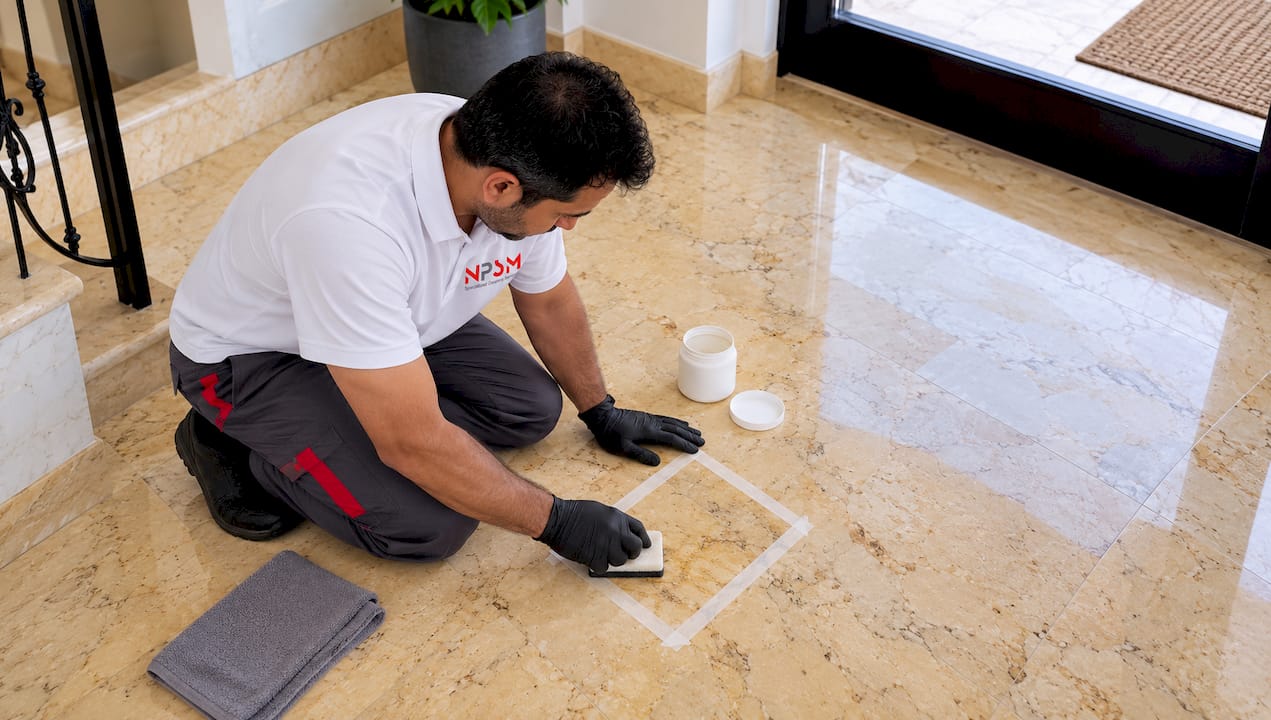
For the polishing stage, baking soda or cornstarch pastes buffed gently onto the surface provide water resistance and enhance the stone’s natural luster without harsh chemicals. These agents work on marble, granite, and ceramic tile with equal effectiveness.
Step-by-step process for stone and tile:
-
Sweep or vacuum the floor to remove loose grit
-
Mop with a pH-neutral cleaner diluted in warm water
-
Mix baking soda with just enough water to form a thick paste
-
Apply the paste in small sections using a soft cloth
-
Buff in circular motions with light, even pressure
-
Wipe away residue with a clean, damp cloth
-
Dry the surface immediately with a fresh microfiber cloth
For larger areas, a low-speed buffer machine set to the lowest setting can replace hand buffing. Keep the machine moving constantly to avoid concentrating pressure on one spot.
-
Clean grout lines separately with a soft brush and baking soda paste
-
Rinse grout thoroughly to prevent white residue buildup
-
Avoid acidic cleaners like undiluted vinegar on marble or limestone
Pro Tip: Test natural oils very sparingly on a hidden section of darker stone before full application. Avoid oils entirely on porous or light-colored stone, as they can cause discoloration that is difficult to reverse.
3. Sustainable maintenance routines that extend polish life
The most effective sustainable floor cleaning strategy is prevention. Daily dry mopping with a microfiber dust mop removes abrasive grit before it scratches the finish. Grit is the single biggest cause of premature polish wear on both wood and stone floors.
Weekly cleaning with a pH-neutral solution and minimal moisture keeps the surface clean without stripping the polish. Water damage is a leading cause of floor deterioration, and wood and laminate floors are especially vulnerable to swelling and warping from excess moisture. Your mop should feel nearly dry before it touches the floor.
-
Dry mop daily in high-traffic areas
-
Use pH-neutral cleaner weekly, diluted in warm water
-
Inspect grout lines monthly and spot-clean worn areas immediately
-
Place felt pads under furniture legs to prevent scratch marks
For hardwood floors showing light wear, the buff and recoat process is the most sustainable option. It screens a new coat onto a lightly abraded top layer, which is ideal for engineered hardwood with thin veneers. This approach uses far less material than full sanding and produces significantly less dust and waste.
Choosing a low-VOC, water-based finish for periodic restoration reduces airborne chemical exposure in your home. Water-based polyurethanes dry faster, emit fewer fumes, and clean up with water rather than solvents. These choices reduce your environmental footprint without sacrificing durability. You can find a detailed breakdown of sustainable floor polishing steps for home use that covers both DIY and professional approaches.
4. Common mistakes that undo eco-friendly polishing efforts
Good intentions do not guarantee good results. Many homeowners apply too much product or use the wrong technique and end up with floors that look worse than before they started.
Overusing cleaning soap leaves a sticky residue that attracts dirt and dulls the floor quickly. The fix is simple: use the bare minimum amount of cleaner needed to lift grime. If your floor feels tacky after cleaning, you used too much.
-
Too much water: Wood and laminate floors swell and warp when exposed to excess moisture. Wring your mop until it is almost dry before use.
-
Dirty polishing cloths: A saturated cloth smears dirt and polish residue, creating streaks. Replace cloths frequently throughout the job.
-
Untested DIY mixes: Applying a natural oil or vinegar solution without testing on a hidden spot first can cause discoloration or create a slippery surface.
-
Ignoring floor type: Marble needs different care than ceramic tile. Always check the manufacturer’s guidance before applying any product.
Pro Tip: If your floor looks dull after polishing, the culprit is almost always residue from too much product. Buff the surface again with a clean, dry microfiber cloth. This removes the film and restores the shine without adding anything new.
Skipping the manufacturer’s instructions is the most expensive mistake you can make. Some floor finishes react badly to acidic or alkaline products, even natural ones. A quick check of the floor type and finish before you start saves you from costly repairs.
5. How to choose eco-friendly floor polish products and tools in 2026
Selecting the right products is as important as using the right technique. The label tells you most of what you need to know. Look for products marked low-VOC, water-based, or non-toxic, and check for third-party certifications from organizations like Green Seal or EPA Safer Choice.
Key characteristics to look for:
-
VOC content below 50 grams per liter for interior floor finishes
-
Water-based formula for faster drying and easier cleanup
-
Biodegradable ingredients with no phosphates or chlorine
-
Packaging made from recycled or recyclable materials
Water-based polyurethanes and natural oil finishes are the two main categories for wood floors. Water-based polyurethanes dry clear, resist yellowing, and emit far fewer fumes than oil-based versions. Natural oil finishes penetrate the wood fiber and are easier to spot-repair, but they require more frequent reapplication. For sustainable wooden floor care, water-based finishes are the stronger long-term choice for most homeowners.
For tools, choose reusable or washable microfiber cloths and pads over disposable options. Washable pads reduce waste significantly over a single polishing season. For restoration work, dust-minimized sanding materials, such as vacuum-attached sanders, keep fine particles out of the air and off your floors.
| Product type | Best for | Key benefit | Watch out for |
|---|---|---|---|
| Water-based polyurethane | Hardwood, engineered wood | Low VOC, fast drying | Requires proper prep for adhesion |
| Natural oil finish | Solid hardwood | Easy spot repair | Needs more frequent reapplication |
| pH-neutral liquid cleaner | All sealed floors | Safe for all finishes | Dilute properly to avoid residue |
| Baking soda paste | Stone, tile | No chemicals, gentle | Rinse thoroughly to prevent haze |
| Microfiber reusable pads | All floor types | Washable, zero waste | Replace when fibers wear flat |
Reading the label carefully before purchase is non-negotiable. A product marketed as “natural” is not automatically safe for every floor type. Cross-check the product’s pH level against your floor’s finish type before applying. For eco-friendly options suited to hard surfaces, resources like this carpet and tile cleaning guide offer useful context on non-toxic formulas across floor categories.
Key takeaways
Eco-friendly floor polishing works best when you match the right natural method to your specific floor type, use minimal product, and maintain the finish consistently to avoid the need for harsh restoration.
| Point | Details |
|---|---|
| pH-neutral cleaners are the standard | Use them on sealed wood, tile, and laminate to clean without leaving residue. |
| Vinegar and olive oil polish wood naturally | Apply sparingly, buff with the grain, and switch cloths often to prevent streaking. |
| Baking soda paste works on stone and tile | Buff gently in sections and rinse thoroughly to avoid white haze on grout. |
| Buff and recoat beats full sanding | This method restores lightly worn hardwood with less waste and fewer fumes. |
| Too much product ruins the finish | Use the minimum amount of cleaner or polish needed and always test on a hidden area first. |
Why restoring floors beats replacing them every time
I have worked with enough homeowners to know that the first instinct when floors look bad is to replace them. That instinct is almost always wrong, and it is almost always expensive.
Eco-friendly restoration prioritizes refurbishing existing floors to reduce carbon footprint and landfill waste. Refinishing over replacement is the recommendation from flooring experts for both environmental and cost reasons. When you replace a floor, you send the old material to a landfill, consume new raw materials, and introduce new adhesives and finishes into your home. When you restore it, you do none of those things.
The floors I see restored properly look better than new replacements in most cases. The original material, whether marble, solid hardwood, or terrazzo, has a depth and character that factory-fresh flooring cannot replicate. Sustainable floor care preserves that character while protecting your health and the environment.
My honest advice: before you call a contractor for replacement, get a restoration assessment first. The difference in cost, waste, and outcome is almost always in favor of restoration. Your floors are worth saving.
— Qadir
Professional eco-friendly floor polishing in Dubai homes
NPSM Specialized Cleaning Services LLC brings the same natural care principles covered in this article to residential and commercial floors across Dubai. The team uses low-VOC, non-toxic products and dust-controlled techniques for marble, wood, and stone restoration that protect your indoor air quality and your floor’s finish. Whether your floors need a light buff and recoat or a full natural stone polish, NPSM Specialized Cleaning Services LLC tailors the approach to your floor type and condition. Homeowners looking for professional support can review the full range of floor polishing services in Dubai or request a consultation directly through the website.
FAQ
What is eco-friendly floor polishing?
Eco-friendly floor polishing uses non-toxic, low-VOC products and natural agents like vinegar, baking soda, or pH-neutral cleaners to restore floor shine without harmful chemicals. The goal is to protect both indoor air quality and the environment.
Can I polish hardwood floors naturally at home?
Yes. A mix of white vinegar and a small amount of olive oil, applied with a barely damp microfiber cloth and buffed along the wood grain, restores shine without any chemical products.
How often should I polish my floors using natural methods?
Most floors benefit from a light natural polish every one to three months, depending on foot traffic. Daily dry mopping and weekly pH-neutral cleaning reduce how often a full polish is needed.
Is baking soda safe for polishing marble floors?
Baking soda paste is gentle enough for most stone floors and provides a light polish without harsh chemicals. Always rinse thoroughly after buffing to prevent white residue from settling in grout lines or surface pores.
What is the most sustainable choice: refinishing or replacing floors?
Refinishing is the more sustainable option in nearly every case. It avoids landfill waste, preserves the original material, and uses far fewer resources than manufacturing and installing new flooring.