
TL;DR:
Repainting interior walls protects surfaces, enhances indoor air quality, and boosts property value efficiently.
Proper preparation, suitable paint selection, and professional application are essential for lasting, high-quality results.
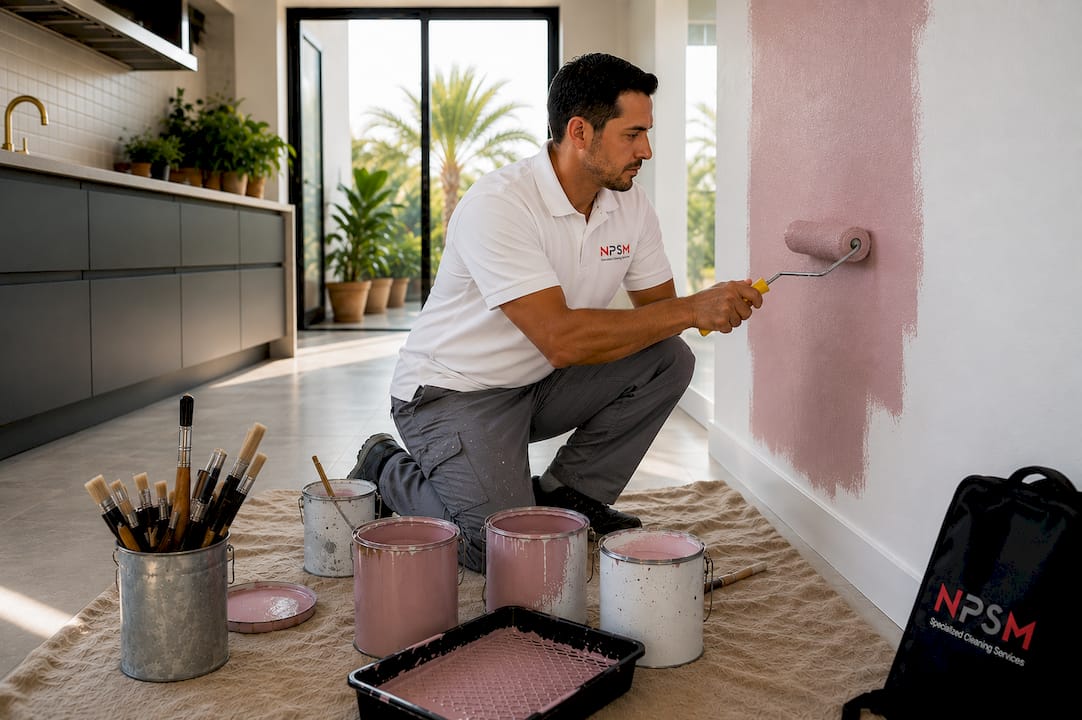
Repainting interior walls is one of the most cost-effective ways to protect your home, refresh its appearance, and increase its market value. Whether you own a Dubai villa, manage a rental apartment, or oversee a hospitality property, the condition of your walls directly signals the quality of care your property receives. Fresh paint boosts home aesthetics, shields surfaces from moisture and daily wear, and can meaningfully improve indoor air quality when you choose the right products. This guide covers every reason to repaint, when to do it, and how to get the best results.
What are the main reasons to repaint interior walls?
Repainting interior walls serves both cosmetic and structural purposes, and the two are more connected than most homeowners realize. Paint is not just decoration. It is a protective layer that keeps moisture, scuffs, and airborne contaminants from degrading your wall surfaces over time.
The most common triggers for repainting include:
-
Fading and dullness. UV exposure and daily light gradually strip color vibrancy, making rooms feel smaller and less welcoming.
-
Scuffs, marks, and stains. High-contact areas near doorways, hallways, and chair rails accumulate damage that cleaning alone cannot fix.
-
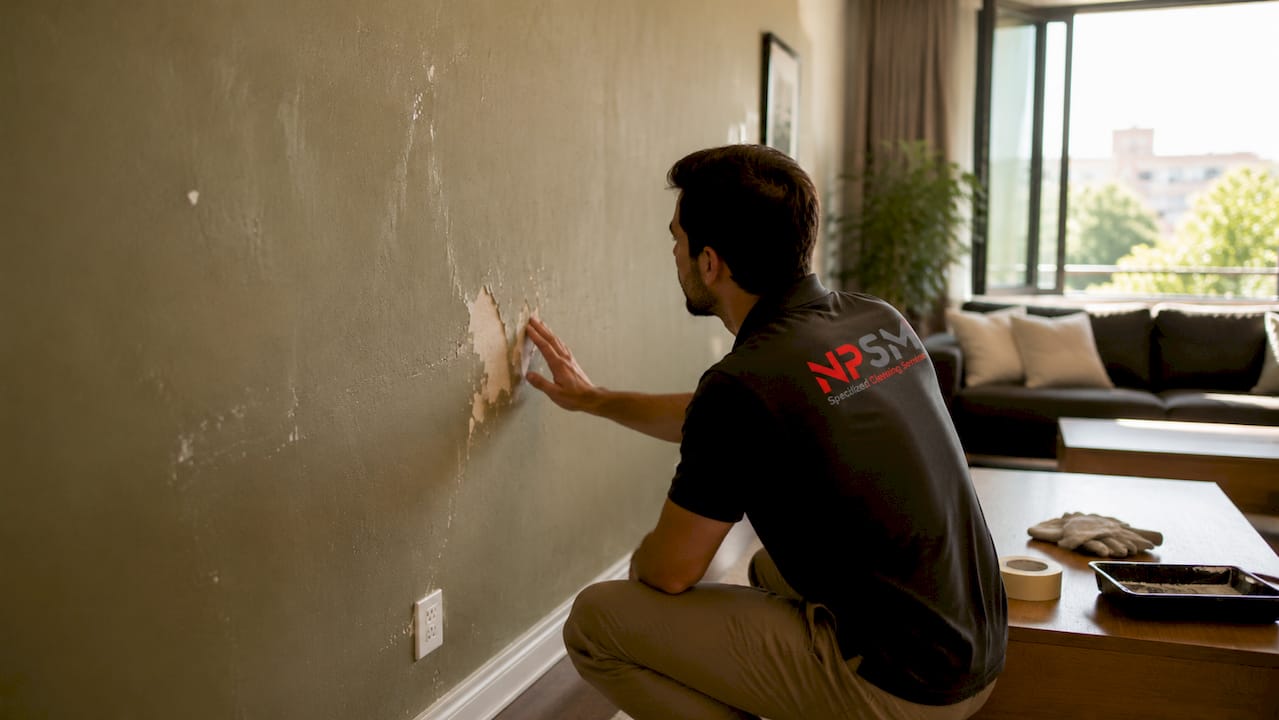
Peeling or bubbling paint. These are signs that the protective finish has failed, leaving the wall substrate exposed to moisture.
-
Odor and air quality decline. Older paints off-gas volatile organic compounds (VOCs) over time, contributing to indoor air pollution.
-
Outdated color schemes. Colors that felt current five years ago can make a property look dated to buyers and renters today.
Common repaint triggers like peeling and staining indicate that the paint’s protective function has already broken down, not just its visual appeal. Waiting until walls look severely damaged means you are already paying a structural cost.
Pro Tip: Target high-contact spots near doorways and chair-back areas for touch-ups first. Early intervention in these zones can extend your full repaint cycle by one to two years.
How often should you repaint interior walls?
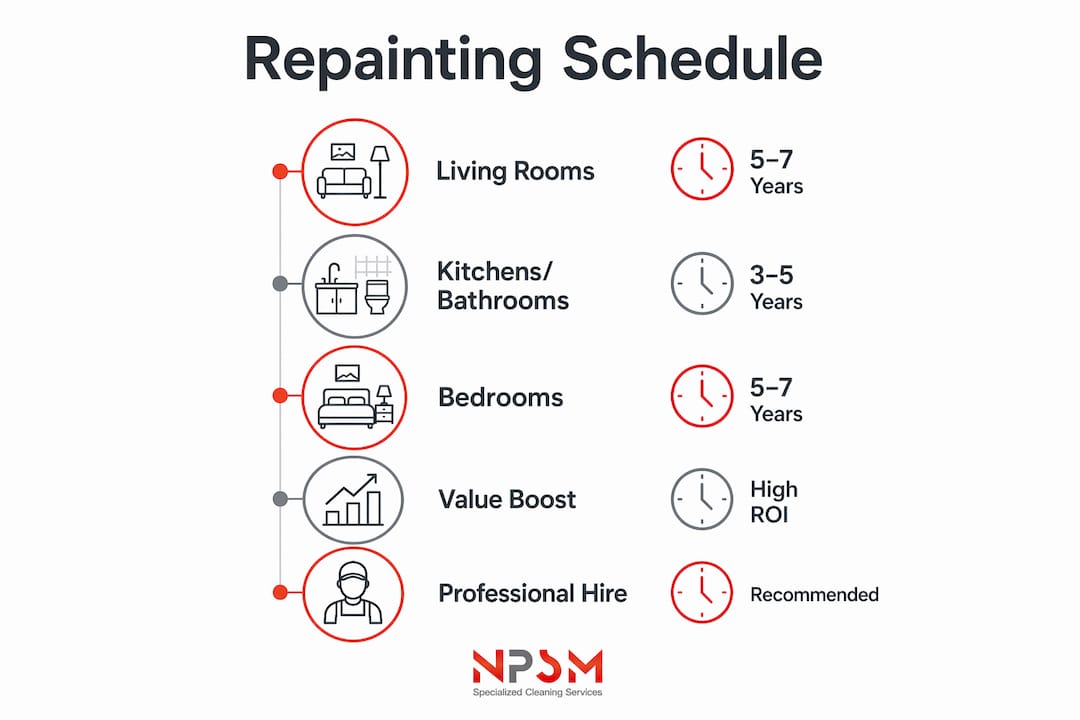
Interior walls typically need repainting every 3 to 7 years, but that range is wide for a reason. Room function, foot traffic, humidity levels, and paint quality all shift the timeline significantly.
Here is a practical room-by-room guide:
-
Living rooms and bedrooms. Lower traffic and controlled humidity mean these rooms can comfortably reach the 5 to 7 year mark before a full repaint is needed.
-
Kitchens and bathrooms. Steam, grease, and frequent cleaning accelerate paint wear. Plan for repainting every 3 to 4 years in these spaces.
-
Hallways and entryways. These are the highest-contact zones in any home. Scuffs and marks accumulate fast, and a 2 to 3 year cycle is realistic for maintained appearance.
-
Children’s rooms. Crayon marks, tape residue, and general impact mean these rooms often need attention every 2 to 3 years as well.
| Room | Recommended repaint cycle | Primary wear factor |
|---|---|---|
| Living room / bedroom | 5 to 7 years | UV fading, minor scuffs |
| Kitchen | 3 to 4 years | Grease, steam, frequent cleaning |
| Bathroom | 3 to 4 years | Humidity, mold risk |
| Hallway / entryway | 2 to 3 years | High foot traffic, impact |
| Children’s room | 2 to 3 years | Marks, tape, impact |
One critical point most homeowners overlook: painting over moisture stains without fixing the underlying leak or humidity problem produces cosmetic improvement only. The damage returns within months. Always remediate the source before repainting.
Pro Tip: Schedule repainting during cooler, drier months when possible. Lower humidity improves paint adhesion and reduces drying time, which matters especially in Dubai’s climate.
What paint types and finishes work best for interior walls?
Paint selection is where most homeowners leave real value on the table. The right product does more than look good. It protects your walls, supports your health, and reduces long-term maintenance costs.
Low-VOC and zero-VOC paints
Indoor air can be 2 to 5 times more polluted than outdoor air, and conventional paints are a significant contributor. VOC-emitting products cause headaches, dizziness, and respiratory irritation, particularly in poorly ventilated rooms. Modern low-VOC paints reduce these emissions dramatically, making them the responsible choice for occupied homes, rental properties, and hospitality spaces. Brands like Dulux, Benjamin Moore Natura, and Sherwin-Williams Harmony all offer certified low-VOC or zero-VOC interior lines.
Choosing the right finish by room
Paint finish choice directly affects durability and cleanability, especially in high-use or moisture-prone rooms. The general rule is straightforward:
-
Flat or matte: Best for low-traffic bedrooms and ceilings where washability is not a priority.
-
Eggshell: The most popular all-purpose wall finish. Slight sheen, easy to clean, works well in living rooms and dining areas.
-
Satin: More durable and moisture-resistant than eggshell. Ideal for hallways, children’s rooms, and family spaces.
-
Semi-gloss: The standard recommendation for kitchens and bathrooms. Resists moisture, wipes clean easily, and holds up to repeated scrubbing.
Moisture-resistant and mold-inhibiting formulas
For bathrooms and kitchens in Dubai’s humid climate, standard paint is not enough. Moisture-resistant formulas with mold-inhibiting additives, such as those in the Zinsser Perma-White line or Dulux Weathershield range, provide a meaningful upgrade in durability. These products cost slightly more upfront but reduce the frequency of repainting in problem areas.
How does repainting impact home value and rental appeal?
Fresh paint is one of the highest-return improvements you can make before selling or renting a property. Interior painting yields approximately 107% of cost at resale as a move-in-ready upgrade, making it one of the few home improvements that pays back more than it costs.
The financial logic is straightforward. Buyers and renters form first impressions within seconds of entering a space. Wall appearance acts as a proxy for overall property care. Scuffed, faded, or stained walls signal neglect, even when everything else is in good condition. Fresh, neutral paint communicates the opposite.
Key points for investors and landlords:
-
Neutral tones maximize appeal. Light grays, warm whites, and soft greiges appeal to the widest range of buyers and renters. Neutral and light tones enhance space perception and reduce the mental effort buyers spend imagining the space repainted to their taste.
-
Fresh paint improves listing photography. Clean, evenly painted walls photograph significantly better, which matters when most property searches begin online.
-
Repainting before listing is faster than most renovations. A professional team can repaint a standard apartment in two to three days, with minimal disruption to staging or showings.
-
Avoid bold or highly personal colors. Deep reds, dark feature walls, and niche accent colors narrow your buyer pool and can require multiple coats to cover, adding cost for the next owner.
For villa interiors and hotel properties specifically, the calculus is even clearer. Why repaint villa interiors regularly? Because premium tenants and guests expect a maintained environment, and paint condition is one of the first things they notice. Why repaint hotel walls on a structured cycle? Because operational sequencing and odor control in professional painting programs minimize guest disruption while keeping standards consistently high.
Why hire professional painters instead of doing it yourself?
DIY painting looks straightforward until you are three hours into cutting in a ceiling line and realize the color looks completely different from the sample chip. Professional painters deliver better results for reasons that go beyond technique.
Proper surface preparation is the single biggest factor in paint longevity. Professionals fill cracks, sand surfaces, apply the correct primer, and address any moisture issues before a drop of finish coat goes on. Rushed DIY jobs that skip prep consistently fail early, with peeling and adhesion problems appearing within one to two years.
The practical advantages of hiring professionals include:
-
Even coverage without drips or lap marks. Consistent application technique produces a finish that holds up to scrutiny in natural light.
-
Correct primer selection. Different wall surfaces, including new drywall, previously painted walls, and stained surfaces, each require a specific primer type for proper adhesion.
-
Faster project completion. A two-person professional crew completes in one day what a solo DIY effort stretches across a weekend or more.
-
Access to painting services in Dubai that include low-odor, low-VOC processes designed for occupied homes and rental properties.
Pro Tip: Always ask your painter for a written specification that includes the primer brand, paint brand, number of coats, and finish type. This protects you if the result does not meet expectations and gives you a reference point for future repaints.
Key takeaways
Repainting interior walls protects surfaces, improves air quality, and delivers measurable returns on property value when done with the right products and proper preparation.
| Point | Details |
|---|---|
| Repaint on a room-specific schedule | Kitchens and bathrooms need repainting every 3 to 4 years; living areas can wait 5 to 7 years. |
| Fix moisture before repainting | Painting over leaks or humidity damage without remediation causes the problem to return within months. |
| Choose low-VOC paints | Modern low-VOC formulas reduce indoor air pollution and are safer for occupied homes and rental properties. |
| Match finish to room function | Use semi-gloss in kitchens and bathrooms, satin in hallways, and eggshell in living areas for best durability. |
| Fresh paint delivers strong ROI | Interior painting returns approximately 107% of cost at resale and improves buyer and renter perception immediately. |
What I’ve learned after years of watching homeowners delay repaints
Most homeowners wait too long. That is the honest observation I keep coming back to. They notice the fading, the scuffs near the light switches, the slight bubbling in the bathroom corner, and they file it away as something to deal with later. By the time they act, what could have been a straightforward repaint has become a prep-heavy job involving crack filling, mold treatment, and multiple primer coats.
The misconception I hear most often is that repainting is purely cosmetic. It is not. Paint is a functional barrier. When it fails, moisture gets in. When moisture gets in, you are no longer dealing with a painting problem. You are dealing with a structural one.
The other thing I have noticed is that color choices carry more psychological weight than most people admit. A well-chosen neutral does not just appeal to buyers. It changes how you feel in the space every day. Light, warm tones in a bedroom genuinely affect sleep quality and morning mood. That is not marketing language. It is color psychology with real-world backing.
For rental investors, my advice is simple: repaint between tenancies without exception. The cost is predictable, the return is immediate, and the alternative, a new tenant moving into a property with scuffed walls and faded paint, sets the wrong tone for the entire tenancy relationship. Properties that look maintained attract tenants who maintain them.
— Qadir
Refresh your walls and floors with professional services in Dubai
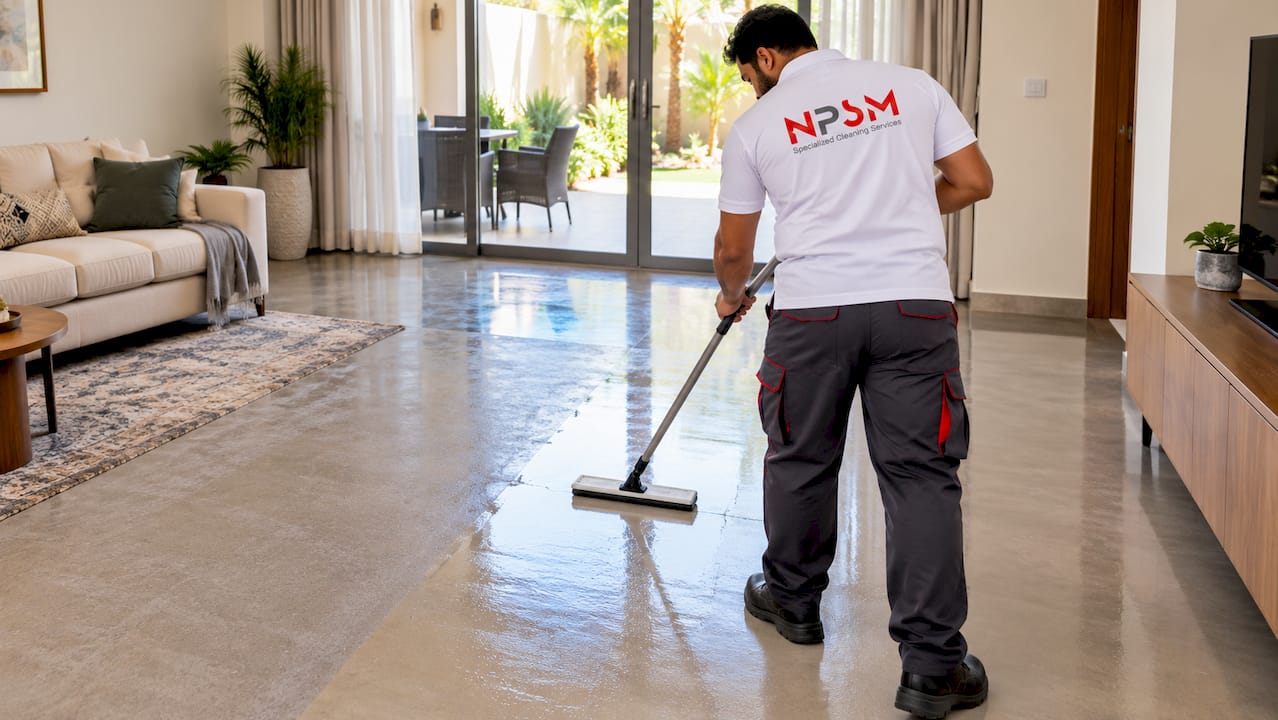
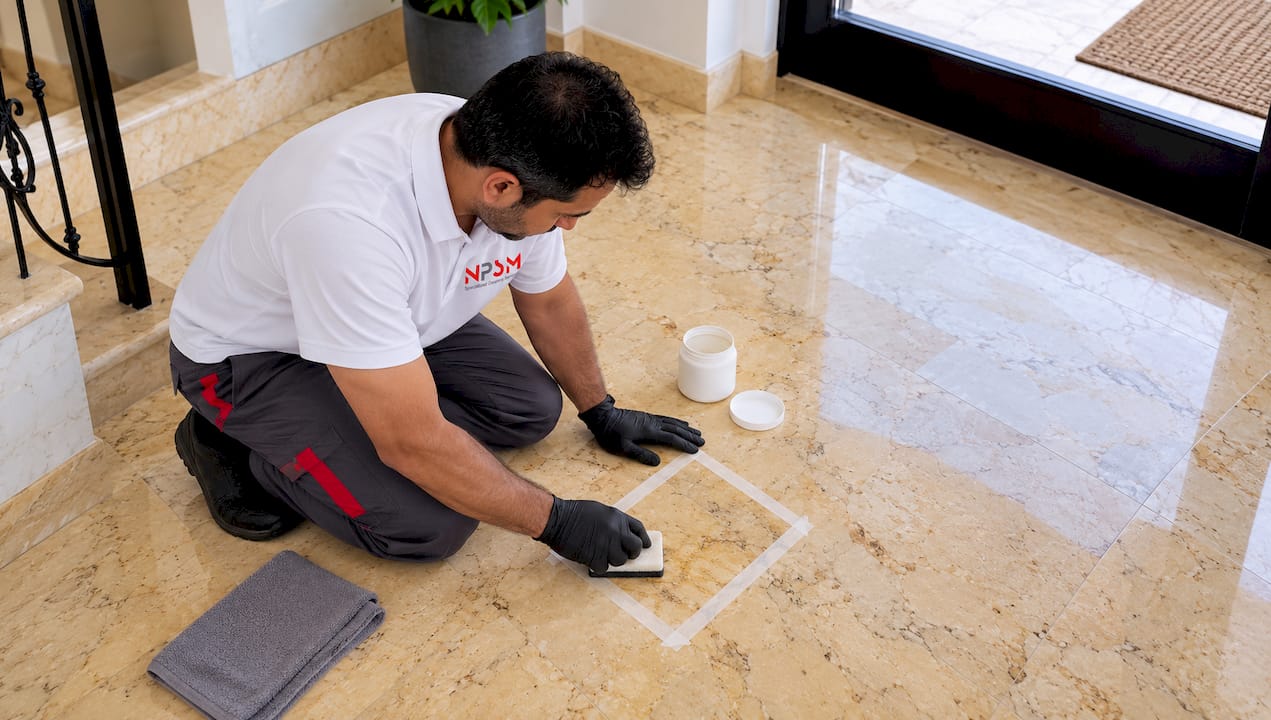
If you are ready to repaint your villa, apartment, or rental property in Dubai, NPSM Specialized Cleaning Services LLC delivers professional interior painting with low-VOC products, proper surface preparation, and minimal disruption to your home or tenants. Their team handles everything from color consultation to final coat, using processes designed for occupied properties. Pair a fresh paint job with floor polishing and restoration for a complete interior refresh that genuinely transforms how a space looks and feels. Visit FloorPolishing.ae to request a consultation and quote for your property.
FAQ
Why repaint interior walls if they look fine?
Paint degrades before visible damage appears. VOC off-gassing, moisture absorption, and surface porosity all increase as paint ages, so repainting on a scheduled cycle protects your walls and air quality even when the surface still looks acceptable.
How often should villa interiors be repainted?
Most villa interiors benefit from repainting every 5 to 7 years in low-traffic rooms and every 3 to 4 years in kitchens, bathrooms, and hallways. Dubai’s humidity accelerates wear in moisture-prone areas, so local conditions favor the shorter end of that range.
What is the best paint for improving indoor air quality?
Low-VOC or zero-VOC interior paints, such as Benjamin Moore Natura, Sherwin-Williams Harmony, or Dulux EasyCare, significantly reduce harmful emissions compared to conventional formulas. These products are the standard recommendation for occupied homes and rental properties.
Does repainting really increase property value?
Interior painting returns approximately 107% of its cost at resale and improves buyer and renter perception immediately. Neutral, well-applied paint signals property care and reduces the mental friction buyers feel when evaluating a home.
When should I hire a professional painter instead of doing it myself?
Hire a professional whenever the job involves surface repairs, moisture damage, stain blocking, or more than one room. Proper priming and preparation are the primary factors in paint longevity, and these steps are where DIY projects most often fall short.