

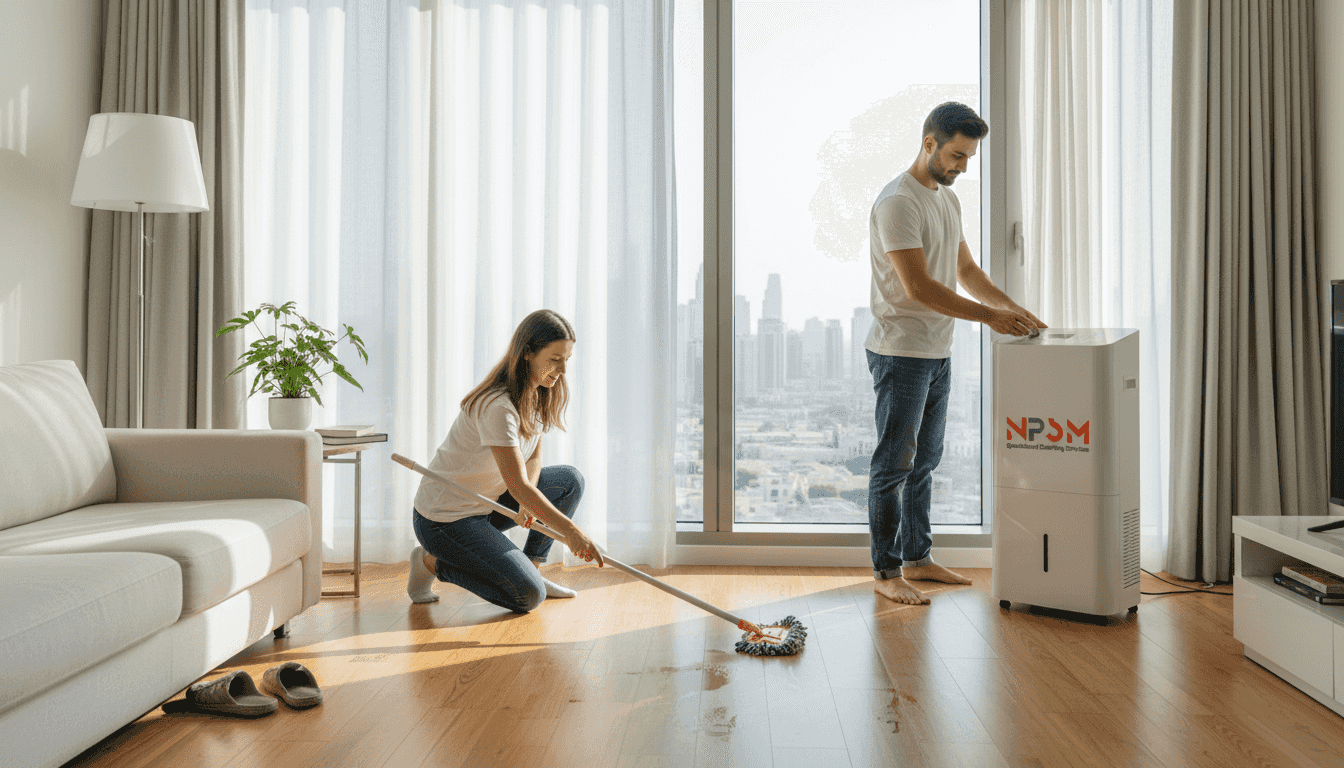

Dubai’s extreme heat, humidity swings, and dust infiltration create unique challenges for wooden floors. Without proper care, your floors can warp, lose their shine, or develop costly damage within years. This guide delivers proven maintenance strategies tailored to Dubai’s climate, helping you preserve your investment and keep floors looking beautiful for decades.
Table of Contents
-
Preventive Tips: Furniture Pads, Area Rugs, And Uv Protection
-
Summary Comparison Table Of Wooden Floor Maintenance Approaches
-
Situational Recommendations For Dubai Homeowners And Property Managers
Key takeaways
| Point | Details |
| Daily cleaning routine | Use barely damp microfiber mops to remove dust without water damage |
| Humidity control | Maintain indoor levels between 40-60% using AC or dehumidifiers to prevent warping |
| Physical protection | Install furniture pads and entry rugs to reduce scratches by 40% and trap sand |
| Professional polishing | Schedule every 6-12 months to restore shine and extend floor lifespan |
| Sanding frequency | Plan refinishing every 7-10 years to maintain structural integrity |
Selection criteria for effective wooden floor maintenance
Choosing the right maintenance approach for your wooden floors starts with understanding Dubai’s specific environmental stressors. The city’s high humidity during summer months, combined with year-round dust and sand intrusion, demands targeted strategies that differ from standard care recommendations.
Moisture management sits at the foundation of effective maintenance. Dubai’s humidity can soar above 90% during peak summer, causing untreated wood to absorb moisture and expand. This leads to cupping, warping, and finish deterioration. Your maintenance plan must prioritize moisture control through proper sealing, climate regulation, and immediate spill cleanup.
Cleaning product selection requires careful attention. Many commercial cleaners contain harsh chemicals that strip protective finishes or leave residues that attract more dust. pH-neutral products specifically formulated for wood floors preserve sealants while effectively removing grime. Avoid ammonia-based or oil-soap cleaners that can cloud finishes over time.
Physical protection measures complement chemical care. Dubai’s sandy environment means floors face constant abrasive wear from tracked particles. Wooden floor damage causes often trace back to unchecked sand accumulation and UV exposure through large windows common in modern villas.
Professional maintenance frequency depends on foot traffic, exposure to outdoor elements, and existing floor condition. High-traffic family homes benefit from bi-annual professional polishing, while low-traffic apartments may extend this to annually.
Key selection criteria:
-
Climate compatibility of finishes and sealants
-
Product safety for children and pets
-
Maintenance schedule alignment with lifestyle
-
Budget balance between DIY and professional services
-
Long-term floor longevity goals
Pro Tip: Test any new cleaning product on an inconspicuous floor area first. Wait 24 hours to check for finish damage or discoloration before using it throughout your home.
Daily and weekly cleaning best practices
Establishing consistent cleaning routines prevents the gradual damage that shortens wooden floor lifespan. Daily maintenance focuses on dust and sand removal, the primary culprits behind surface scratches and finish wear in Dubai homes.
Start each day by sweeping high-traffic areas with a soft-bristle broom or using a vacuum with hardwood floor attachments. Never use beater bars, which can dent soft woods. This simple step removes abrasive particles before foot traffic grinds them into the finish.
Weekly deep cleaning requires a barely damp microfiber mop. Wring the mop until it’s almost dry, as excess water seeps between planks and damages wood fibers. Work in small sections, following the grain direction. Change water frequently to avoid redistributing dirt.
Recommended weekly cleaning process:
-
Remove loose debris with vacuum or soft broom
-
Prepare cleaning solution with pH-neutral wood floor cleaner
-
Dampen microfiber mop and wring thoroughly
-
Clean in 4×4 foot sections, following wood grain
-
Dry immediately with clean microfiber cloth
-
Inspect for water pooling or finish damage
Avoid steam cleaners entirely. Despite marketing claims, steam introduces excessive moisture and heat that can warp planks and lift finishes. The temporary shine isn’t worth the permanent damage risk.
Dubai’s dust levels often require more frequent cleaning than standard recommendations. Homes near construction sites or desert-facing properties may need daily mopping of entryways. Monitor your floors and adjust frequency based on visible dust accumulation.
Pro Tip: Keep separate cleaning tools for kitchen and bathroom floors. Cross-contamination from cleaning products used on tile can damage wood finishes. Find more cleaning tips specific to Dubai conditions.
Moisture and humidity management
Controlling indoor moisture levels protects wooden floors from Dubai’s humidity extremes more effectively than any other single measure. Wood naturally expands in humid conditions and contracts when dry, creating gaps, cupping, or crowning when swings are dramatic.
Target humidity between 40-60% year-round using your air conditioning system or standalone dehumidifiers. Most modern AC units include humidity controls, making this easier than homeowners realize. Purchase an inexpensive hygrometer to monitor levels in rooms with wooden flooring.
Summer presents the biggest challenge, with outdoor humidity often exceeding 85%. Run AC consistently rather than cycling it on and off, which creates humidity spikes. The energy cost increase is minor compared to floor replacement expenses.
Immediate spill response prevents moisture damage. Keep microfiber cloths accessible in every room with wooden floors. Blot spills immediately, working from edges toward the center to prevent spreading. Never let water sit longer than a few minutes.
Proper floor sealing acts as your first defense against moisture intrusion. Quality polyurethane finishes create a barrier that repels water and prevents absorption. However, sealants degrade over time, especially in high-traffic areas. Annual inspections help catch weakening protection before moisture causes humidity effects on wood floors.
Moisture management essentials:
-
Maintain 40-60% indoor humidity consistently
-
Use AC or dehumidifiers during peak summer months
-
Monitor levels weekly with a hygrometer
-
Address spills within minutes of occurrence
-
Inspect sealant integrity annually
Basement or ground-floor installations face additional moisture challenges from concrete slabs. Ensure proper vapor barriers were installed during construction. If you notice cupping or musty odors, consult professionals about moisture remediation before floor damage becomes irreversible.
Preventive tips: furniture pads, area rugs, and UV protection
Physical protection measures deliver outsized returns on minimal investment. Simple additions like furniture pads and area rugs can extend floor life by years while maintaining appearance.
Furniture pads reduce micro-scratches by 40% by creating a smooth barrier between heavy items and flooring. Replace felt pads every six months as they compress and collect abrasive particles. For chairs that move frequently, consider glide-style pads that allow movement without lifting.
Area rugs serve multiple protective functions. Placed at exterior doors, they trap sand and dust before it reaches wooden floors. In high-traffic hallways, they absorb impact and reduce finish wear. Choose rugs with breathable backing to prevent moisture trapping, which can discolor wood underneath.
UV protection prevents the gradual fading and finish breakdown caused by Dubai’s intense sunlight. Untreated floors near large windows can show noticeable color changes within 18 months. UV window treatments reduce floor aging by 18% while maintaining natural light.
Pet owners need additional precautions. Trim pet nails regularly to minimize scratch depth. Place protective mats under food and water bowls. Consider applying an extra coat of polyurethane in pet areas for enhanced scratch resistance.
Entry mats warrant special attention in Dubai homes. Position large, abrasive mats outside each exterior door and softer rugs inside. This two-mat system removes most sand before it contacts wooden floors. Empty and clean entry mats weekly, as full mats become ineffective.
Protection measures by priority:
-
Furniture pads on all chair and table legs
-
Entry mats at every exterior door
-
Area rugs in hallways and high-traffic zones
-
UV film or treatments on sun-facing windows
-
Pet nail trimming and feeding area protection
Statistic: Homes using comprehensive physical protection measures report 40% fewer visible scratches and 25% longer intervals between professional refinishing compared to unprotected floors.
Pro Tip: Rearrange furniture and area rugs annually to ensure even UV exposure and wear patterns across your entire floor. This prevents noticeable color variations as wood ages.
Protective finish types and their benefits
Your choice of protective finish fundamentally impacts maintenance requirements and floor durability in Dubai’s challenging climate. Understanding finish characteristics helps you select options that balance protection, appearance, and upkeep demands.
Polyurethane finishes dominate Dubai installations due to superior moisture and scratch resistance. Water-based polyurethane offers 30% better resistance to humidity-related damage than traditional oil-based alternatives while maintaining clarity that showcases natural wood grain. Oil-based polyurethane provides slightly deeper color warmth but requires longer drying times and more frequent reapplication.
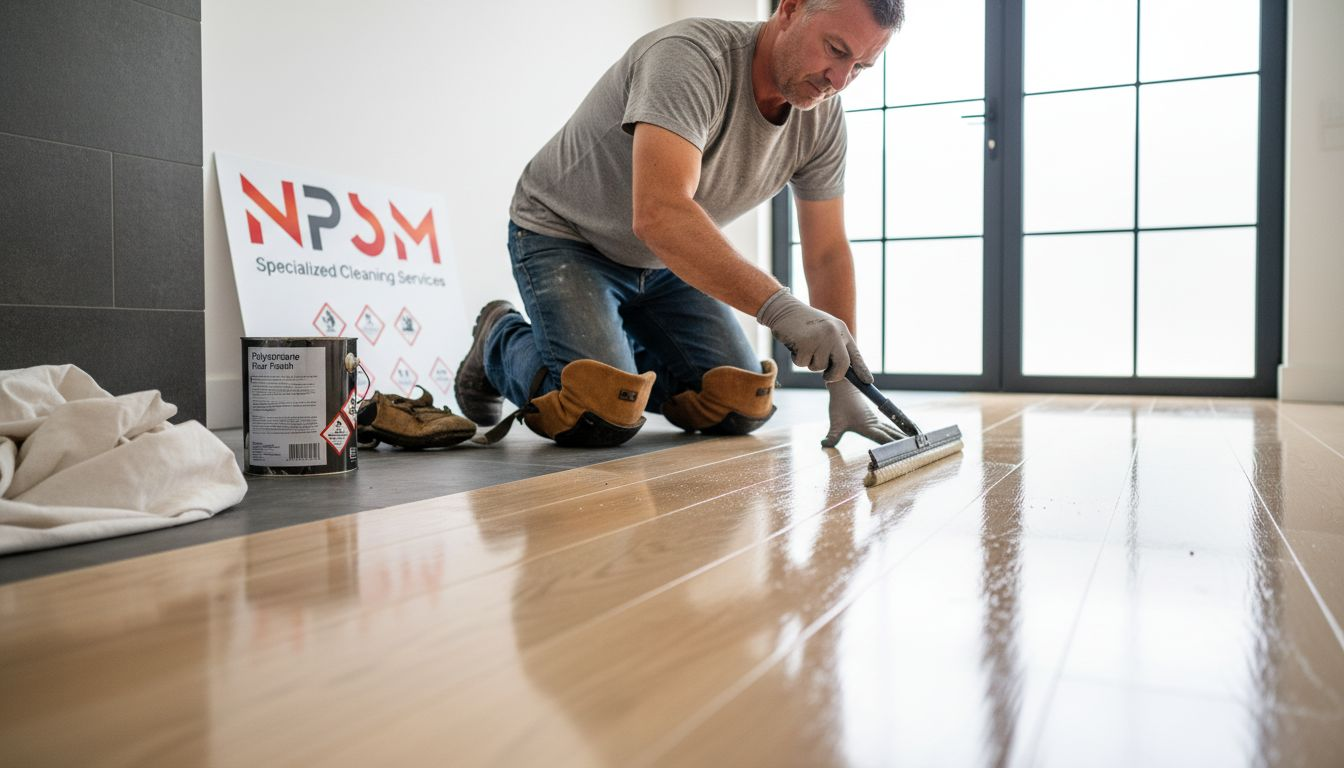
Penetrating oil finishes create a natural appearance but demand more maintenance. These finishes soak into wood rather than forming a surface layer, requiring reapplication every 6-12 months in Dubai conditions. They’re best suited to low-traffic areas or homeowners committed to regular upkeep.
Wax finishes deliver traditional beauty but lack moisture protection needed for Dubai. Humidity causes wax to soften and attract dirt, creating maintenance headaches. Unless you’re preserving antique floors, modern alternatives perform better.
Finish compatibility with cleaning products varies significantly. Oil-based polyurethane tolerates wider pH ranges, while water-based versions require strict pH-neutral cleaners. Always verify product compatibility before purchasing cleaning supplies.
| Finish Type | Moisture Resistance | Scratch Resistance | Reapplication Frequency | Best For |
| Water-based polyurethane | Excellent | Very good | 3-5 years | High-traffic areas, humid zones |
| Oil-based polyurethane | Very good | Excellent | 4-6 years | Moderate traffic, rich color preference |
| Penetrating oil | Fair | Good | 6-12 months | Low traffic, natural appearance priority |
| Wax | Poor | Fair | 2-4 months | Antique restoration only |
Durability benefits justify the higher initial cost of quality polyurethane finishes. Professional application ensures even coverage and proper curing, critical for Dubai’s humidity. DIY application often leaves thin spots that fail prematurely.
Consider future maintenance when selecting finishes. Wooden floor polishing services can refresh most finishes without complete removal, but some oil-based products require full sanding for renewal.
Professional services: polishing and sanding
Professional maintenance extends wooden floor lifespan while preserving appearance far more effectively than DIY efforts alone. Understanding service timing and benefits helps you budget appropriately and maintain optimal floor condition.
Polishing services refresh floor shine and reinforce protective layers without removing existing finish. Schedule professional sanding and refinishing every 7-10 years based on wear patterns and traffic levels. High-traffic Dubai villas may require polishing every 6 months, while low-traffic apartments can extend to annual treatments.
Sanding and refinishing represents complete floor restoration. This process removes damaged finish layers, smooths surface imperfections, and applies fresh protective coatings. Despite higher costs, sanding addresses deep scratches, stains, and structural issues polishing cannot fix.
Cost-benefit analysis favors regular professional care. Annual polishing costs approximately AED 15-25 per square meter, while full refinishing runs AED 50-80 per square meter. Consistent polishing can delay refinishing by 3-5 years, generating substantial savings.
Signs indicating professional restoration needs:
-
Dull appearance despite regular cleaning
-
Visible scratches penetrating finish layer
-
Water stains or discoloration patches
-
Uneven sheen across floor surface
-
Exposed wood grain in high-traffic paths
Professional services deliver benefits beyond DIY capability. Commercial-grade equipment removes more damaged material and applies finishes more evenly. Experienced technicians identify underlying issues like subfloor damage or moisture problems before they worsen.
“Professional maintenance extends floor lifespan 8-10 years beyond neglected floors. The investment in regular care pays for itself multiple times through delayed replacement costs and maintained property value.” – Dubai Flooring Specialists Association
Choose professionals experienced with Dubai’s climate challenges. Generic maintenance approaches often fail because they don’t account for humidity extremes or dust infiltration patterns. Local expertise ensures appropriate product selection and application timing.
Pro Tip: Schedule professional services during Dubai’s cooler months (November to March) when humidity levels naturally drop. This allows finishes to cure properly and reduces the risk of moisture-related application problems. Explore comprehensive floor polishing and restoration services tailored to local conditions.
Summary comparison table of wooden floor maintenance approaches
Comparing maintenance methods side by side clarifies which approaches suit your specific situation, activity levels, and budget constraints. This table synthesizes the guidance covered throughout this article.
| Maintenance Method | Primary Benefits | Recommended Frequency | Best Use Case | Climate Suitability |
| Daily dry mopping | Prevents abrasive damage, maintains appearance | Daily in high-traffic areas | All homes, essential for sandy locations | Excellent for Dubai |
| Weekly damp cleaning | Deep cleaning without water damage | Weekly | Standard maintenance for all floor types | Good with proper technique |
| Humidity control | Prevents warping and structural damage | Continuous monitoring | Essential for all wooden floors | Critical for Dubai climate |
| Furniture pads | Reduces micro-scratches by 40% | Inspect/replace every 6 months | High-traffic homes, frequent furniture movement | Excellent for all climates |
| Area rugs | Traps dust, reduces UV exposure | Clean weekly, rotate annually | Entryways, hallways, sun-exposed areas | Excellent for Dubai |
| Professional polishing | Restores shine, reinforces protection | Every 6-12 months | Moderate to high-traffic homes | Very good for Dubai |
| Sanding/refinishing | Complete restoration, removes deep damage | Every 7-10 years | All wooden floors eventually | Good, timing depends on wear |
Activity level significantly impacts ideal maintenance frequency. Family homes with children require more aggressive protective measures and frequent professional care. Single-occupant apartments can extend service intervals while maintaining excellent condition.
Climate exposure varies even within Dubai. Ground-floor units face higher humidity from concrete slabs. Upper floors with extensive windows need enhanced UV protection. Coastal properties battle salt air alongside standard humidity challenges.
Budget allocation should prioritize prevention over restoration. Investing in humidity control and physical protection costs less annually than emergency refinishing from neglect-related damage. A balanced approach combines consistent DIY care with scheduled professional services.
Situational recommendations for Dubai homeowners and property managers
Tailoring maintenance plans to specific property types and usage patterns optimizes results while controlling costs. These scenarios address common Dubai situations.
High-traffic family homes benefit from comprehensive protection. Install heavy-duty furniture pads, position large entry rugs, and schedule professional polishing twice yearly. The upfront investment prevents the costly deep scratches and finish wear that plague busy households. Focus daily cleaning on play areas and kitchen perimeters where spills occur most.
Pet owners should combine physical barriers with finish selection. Apply extra polyurethane coats in pet areas for enhanced scratch resistance. Use waterproof mats under feeding stations. Trim nails monthly and consider pet-safe area rugs in favorite lounging spots. These measures reduce damage by approximately 35%.
Villas with sandy patio access require aggressive entry protection. Install commercial-grade entry mats both outside and inside each door. Consider a dedicated shoe removal area to prevent sand tracking. These properties often need daily vacuuming of entry zones and weekly professional-grade cleaning of main areas.
Rental properties demand balance between protection and cost. Annual professional polishing maintains appearance while controlling expenses. Provide tenants with approved cleaning products and clear maintenance guidelines. Schedule inspections every six months to catch developing issues before they require expensive repairs.
Luxury apartments with minimal foot traffic can extend professional service intervals. Focus on UV protection for sun-exposed areas and maintain consistent humidity control. Bi-annual polishing suffices for most low-traffic units.
Customized plans improve outcomes:
-
High-traffic homes: Daily cleaning, quarterly inspections, bi-annual polishing
-
Pet households: Monthly nail trimming, waterproof barriers, annual refinishing assessment
-
Sandy locations: Double entry mats, daily vacuuming, polyurethane finishes
-
Rental properties: Tenant education, annual polishing, damage deposit protocols
-
Low-traffic units: Humidity monitoring, annual polishing, UV window treatments
Property managers overseeing multiple units should standardize maintenance protocols while customizing frequency to individual property needs. Bulk service contracts with professional providers often yield 15-20% cost savings versus ad-hoc scheduling. Review situational maintenance recommendations for additional scenario-specific guidance.
Enhance your wooden floor care with expert services
Implementing the maintenance strategies outlined above protects your investment, but professional expertise ensures optimal results. Our specialized floor polishing and restoration services address Dubai’s unique climate challenges with proven techniques and commercial-grade materials.
Professional polishing restores the brilliant shine that daily wear diminishes, while reinforcing protective layers against moisture and scratches. Our team understands how humidity and dust affect different wood species, allowing us to customize treatments for your specific flooring.
Wooden floor polishing services extend lifespan by addressing minor damage before it becomes major. We use Dubai-appropriate products that withstand local climate extremes while maintaining the natural beauty of your floors.
Scheduling regular maintenance with trusted experts eliminates guesswork and prevents costly mistakes. Our comprehensive approach covers everything from surface restoration to protective finish application, ensuring your floors remain beautiful for decades. Professional care also boosts property value, delivering returns that exceed service costs.
Frequently asked questions
How often should I polish my wooden floors in Dubai?
Polish every 6-12 months depending on foot traffic and exposure to dust. High-traffic family homes benefit from bi-annual polishing, while low-traffic apartments can extend to annual treatments. Professional assessment helps determine your specific timeline.
What are the best cleaning products for wooden floors?
pH-neutral cleaners specifically formulated for wood floors protect finishes without leaving residue. Avoid ammonia-based products, oil soaps, and steam cleaners that damage sealants. Always test new products in inconspicuous areas first.
How can I protect floors from outdoor sand damage?
Install commercial-grade entry mats both outside and inside each exterior door. Vacuum high-traffic areas daily and consider area rugs in hallways. These measures trap sand before it scratches floor finishes.
When is professional sanding necessary?
Sanding becomes necessary every 7-10 years or when you notice deep scratches penetrating the finish layer, widespread discoloration, or exposed wood grain in traffic paths. Professional assessment identifies the right timing for your floors.
Are steam cleaners safe for wooden floors?
No, steam cleaners introduce excessive moisture and heat that warps planks and lifts finishes. The temporary shine doesn’t justify permanent damage risk. Stick with barely damp microfiber mops for safe cleaning. Learn more about preventing wood floor dullness with proper cleaning techniques.
Permalink
Permalink
Permalink
Permalink